0
Download on the App Store
THE OCCASION EDIT

Ready for your close-up

Hairstyles for photos can start with your usual texture, a clear face frame and a placement that works in the actual camera crop.

Decide what you want the picture to communicate and keep your face comfortable and visible.

Find your starting point
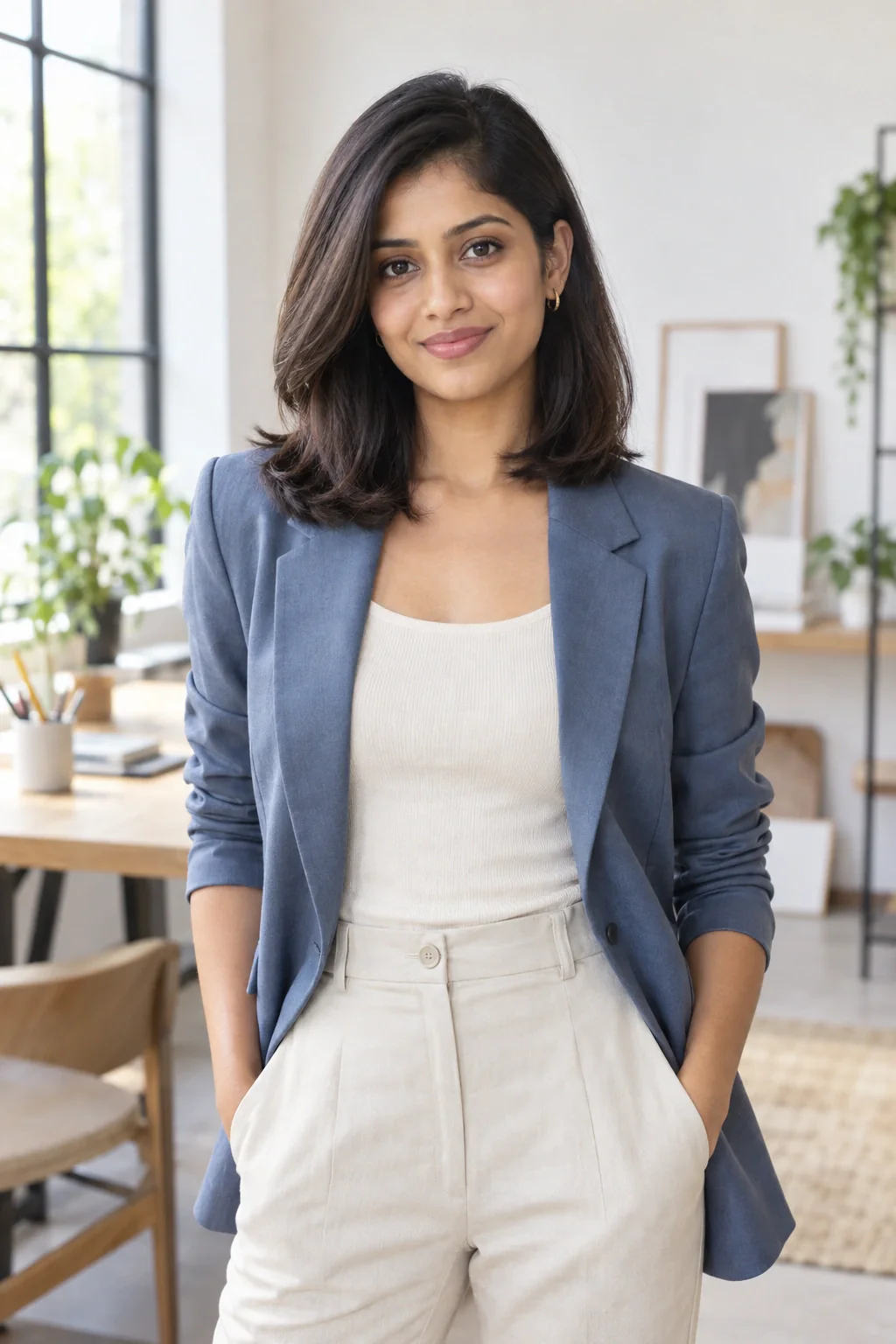
A young South Asian woman with smooth side-parted dark hair, a muted blue blazer and a cream top in a bright work studio.
01

Picture the whole day

Test the actual framing. A hairstyle that looks balanced in a full-length mirror can read differently in a tightly cropped headshot or laptop camera. Check the height of the camera, the backdrop and where the light lands before changing the hair itself.

02

Try it in real life

Use a familiar shape for important photographs. Small adjustments to the front or part are easier to evaluate than a completely new cut on the day. A practice image can reveal a strand that distracts you without implying that every natural detail needs correction.

03

Keep a little flexibility

Bring the chosen idea back to a simple, achievable arrangement.

Ideas for the occasion.

Occasions9 min read

Hairstyles for Headshots

Keep the texture you want represented and test its outline at the final display size. If the hair disappears into the background, discuss the photographic setup before restyling. Choose a front placement you can hold naturally while speaking and turning.

Read the story
Occasions9 min read

Hairstyles for Family Photos

Choose familiar styles individually, then coordinate the overall mood through clothing and setting. Secure a front section only when it repeatedly interrupts the person wearing it. For outdoor photos, bring the clip or tie for a practiced second version instead of expecting identical hair in every frame.

Read the story
Occasions9 min read

Hairstyles for Video Calls

Check framing and headset fit before restyling. If only the front gets in the way, secure that section and leave the length loose. If the band clashes with a high gathering, move the fastening below it or choose a flatter style.

Read the story
Try-on notes7 min read

Best Photo for Hairstyle Try-on

Choose an evenly lit photo with a visible hairline and uncropped ends. If one side disappears into shadow, move yourself or the camera before editing the image. A readable starting photo improves the comparison.

Read the story
Color stories8 min read

Hair Color in Different Lighting

Use two familiar lighting settings and repeat the same camera position when comparing before and after. If only one photograph looks strange, inspect the surrounding scene before deciding the hair changed. Bring consistent examples to a colorist when a concern remains.

Read the story

Start with a mood.

A REFERENCE THAT STILL FEELS LIKE YOU

Style for the frame you will actually use.

Camera occasions range from a short video call to portraits you may keep for years. Before changing the hair, identify the intended picture: professional, relaxed, expressive or simply a record of people together. Then look at the real framing and surroundings. A useful hairstyle choice supports that purpose while allowing you to speak, move and recognize yourself in the result.

01 / THE DETAILS

Distinguish a close portrait from a whole-outfit picture.

A close crop emphasizes the front, sides and space around the face. A full-length picture gives clothing, posture and the overall hair silhouette more room. If you will use both, choose a shape that you enjoy at both distances rather than perfecting one narrow view. Ask the photographer about the expected framing when you can. For a self-recorded call or video, check the actual camera position instead of using a different mirror angle as your only reference.

Consider the background as part of the visible outline. If the hair disappears against it more than you want, a change of position or background may be more useful than additional styling. Likewise, an awkward crop may make a perfectly comfortable hairstyle feel unbalanced in a test image. Adjust the frame before assuming the hair is the problem. The goal is to make the picture readable, while keeping the hairstyle connected to how you normally present yourself.

02 / THE DETAILS

Use a short sequence rather than one favorite selfie.

Take a few ordinary test pictures while facing forward, turning slightly and speaking or moving as the occasion requires. For video, record a short passage and watch it once at normal speed. Notice the repeated distraction, if there is one: a section covering an eye, an accessory that draws attention you did not intend or a front that you keep moving by hand. Solve that particular issue instead of treating every irregular strand as an error.

Keep the comparison consistent when trying alternatives. Use the same top, camera position and light, then change the hair detail you want to evaluate. A clearer ear or different part may be enough to answer the question. Label the images with what changed, so your preference does not become confused with a different expression or pose. A useful test produces one practical adjustment you understand, not a requirement to reproduce a single unusually flattering frame.

03 / THE DETAILS

Choose the version you want the picture to remember.

For an important portrait, ask whether the hairstyle feels like a recognizable version of you. It can be more considered than your everyday look, but it should not make you feel as though you are performing an unfamiliar character unless that is the intention. A familiar texture with a clearer arrangement often gives you a useful balance. For group pictures, focus on your own comfort and the setting rather than trying to make everyone's hair equally formal or identical.

Keep a small reset plan nearby and agree with the photographer or organizer when adjustments are welcome. You may need only to redirect the front between frames. Let the physical test decide the finished arrangement.

A LITTLE CLARITY

Your questions, considered.

Should I choose a completely new hairstyle for a headshot?

You can, but leave time to get comfortable with it and test the real arrangement before the photograph. A small change to a familiar shape is often easier to evaluate. Choose according to the identity you want the portrait to communicate, rather than a rule that important pictures require a transformation.

How much should I correct stray hair in a camera test?

Start with details that repeatedly distract you or interfere with comfort, such as hair crossing your eyes. Natural variation can remain part of the picture. View the image at its intended size before making more changes, since a close inspection can exaggerate details that are barely visible in normal use.