
0
Download on the App Store
START WITH A FEELING

Different mood.
Different possibilities.

A mood is a starting point, not a box.

Move between them, borrow what you like and leave room for your own interpretation.

There’s more than
one way to be you.

You can enjoy a minimal outline on Monday and an expressive accessory on Saturday. HairSparks uses these six directions to make inspiration easier to explore. They are editorial ideas, not personality types or rules about your appearance.

A WAY INTO THE COLLECTION

Hairstyle aesthetics with a practical starting point.

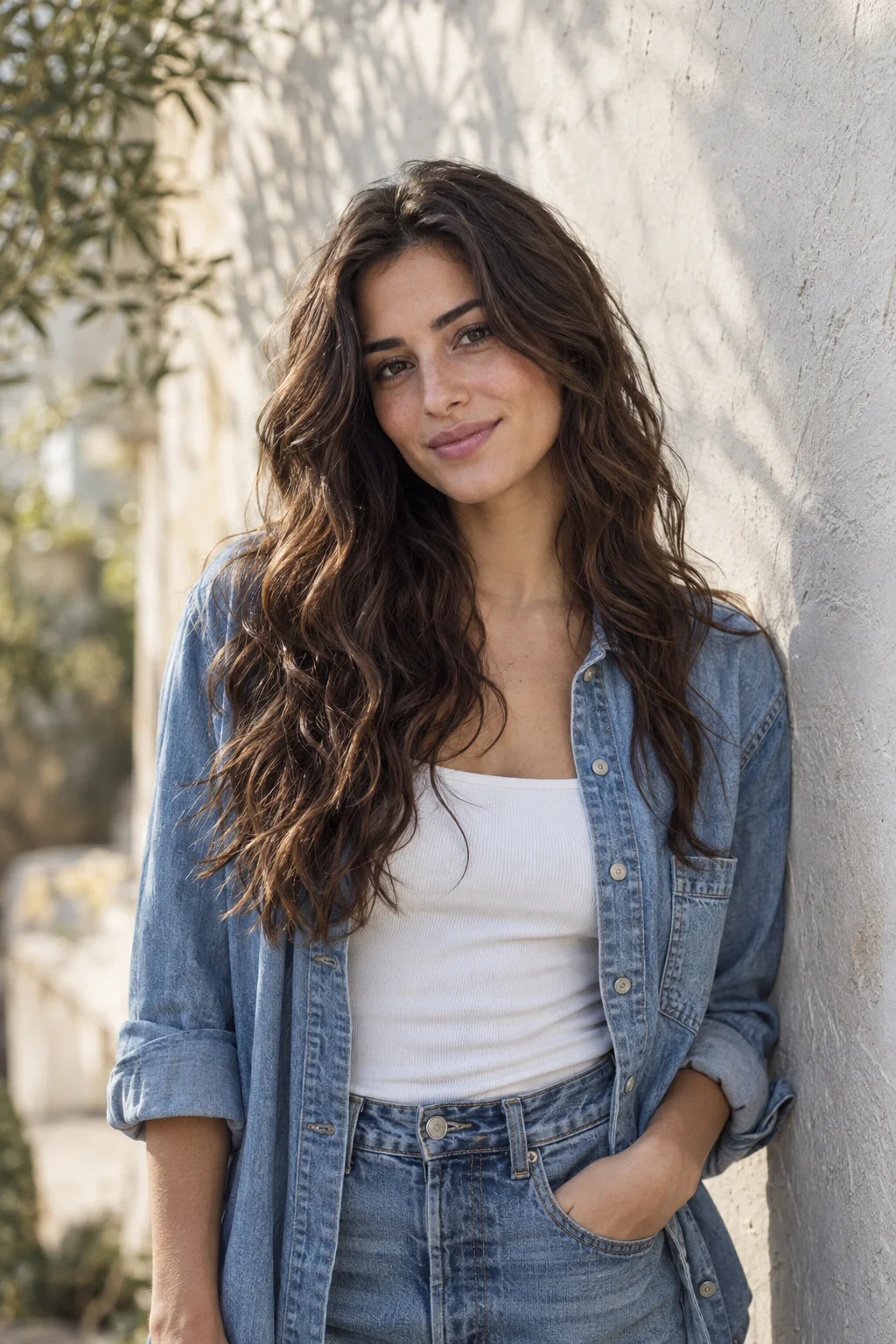
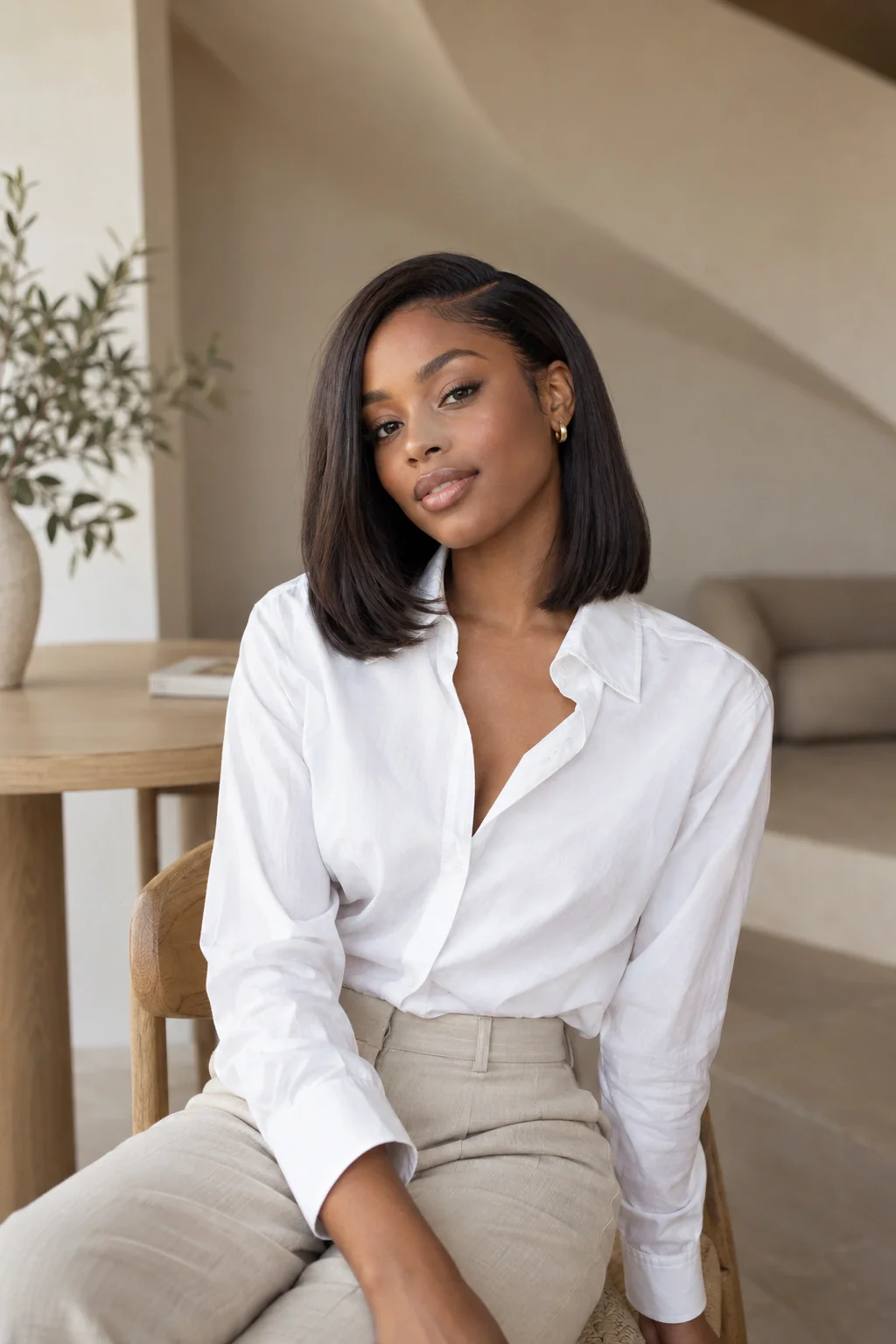
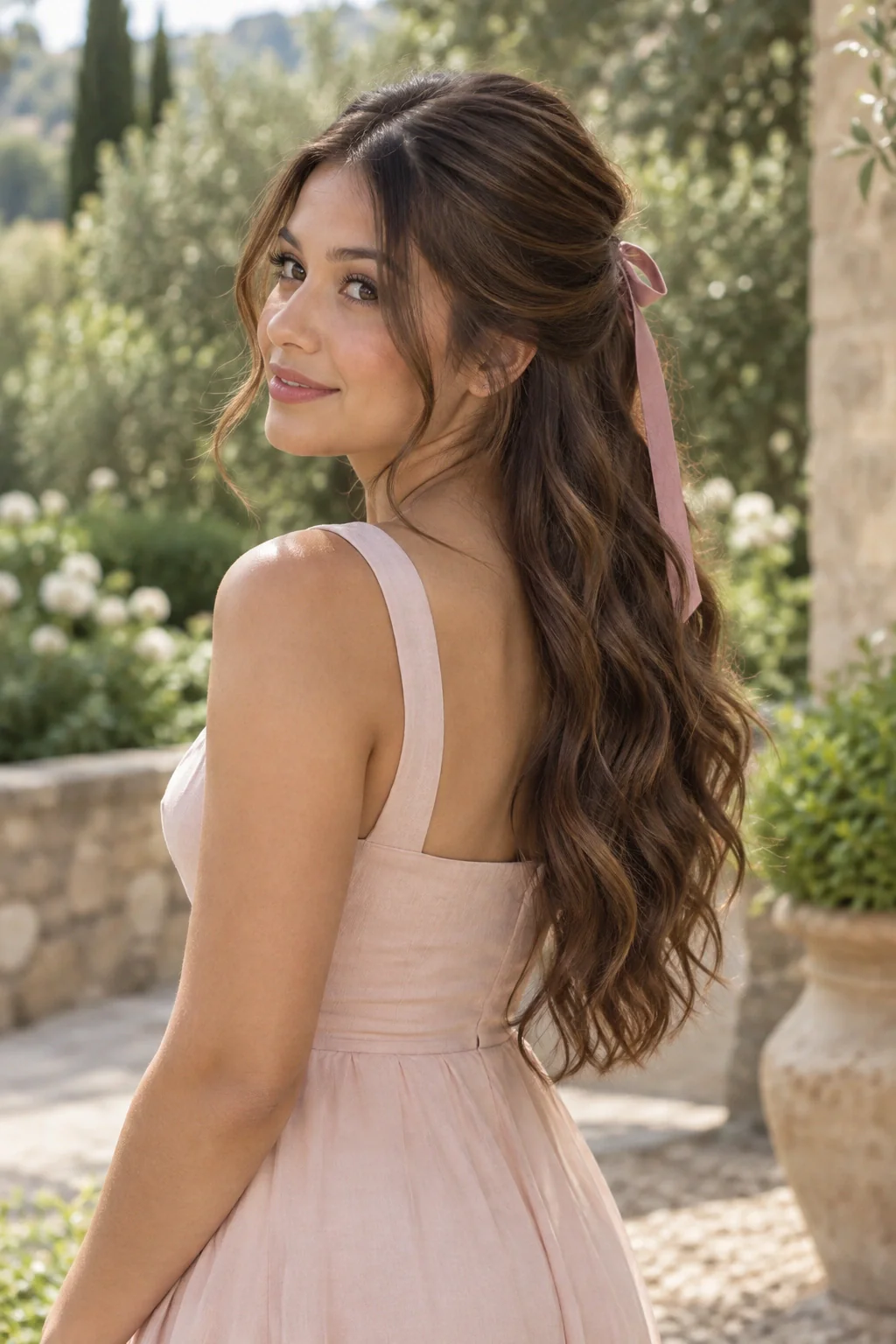
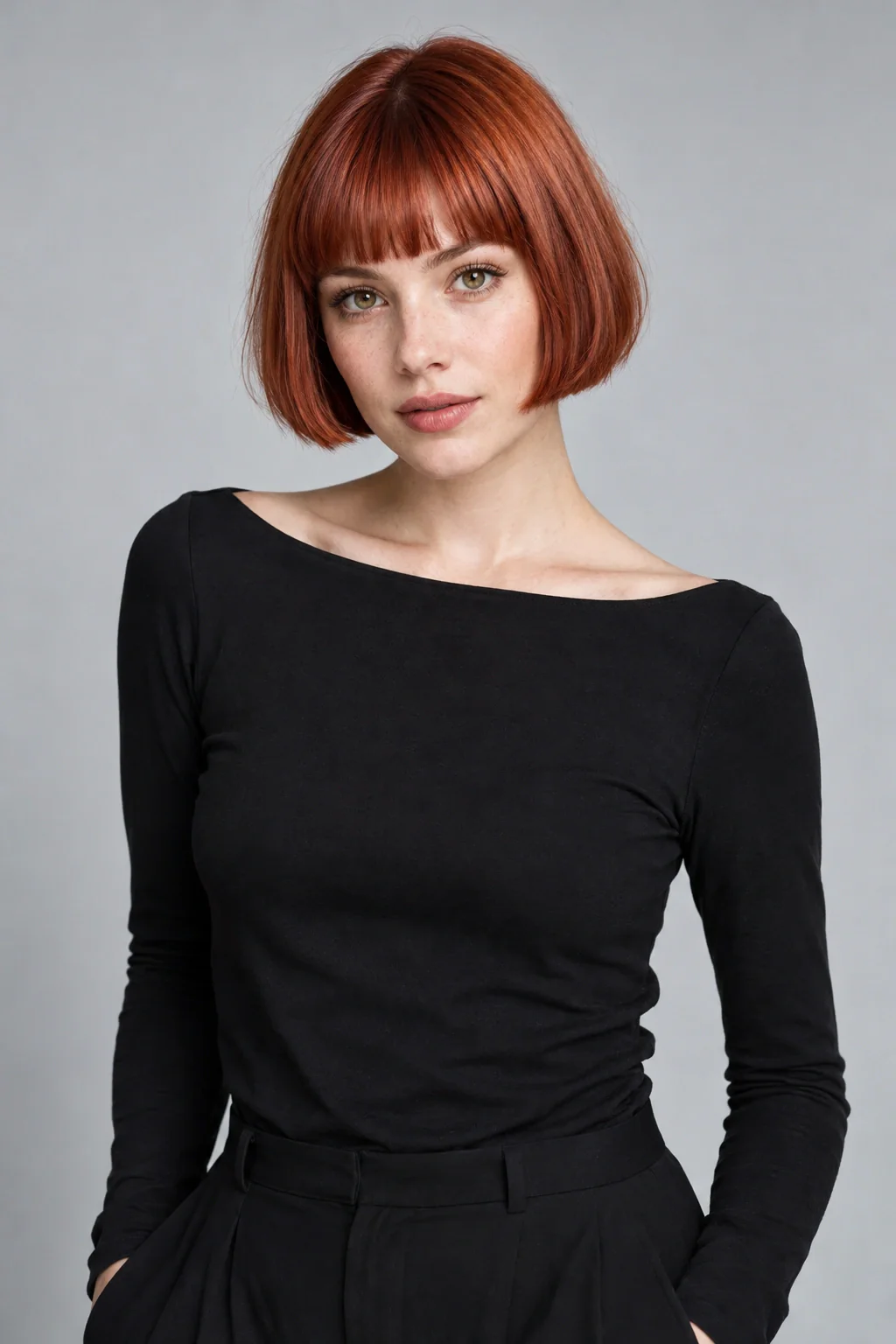
Explore six hairstyle aesthetics: effortless, polished, romantic, bold, playful and minimal. Choose a visible detail that captures the mood, from soft face framing to a clean bob outline. Your hair aesthetic can change with your outfit or plans while keeping the texture and routine you enjoy.

01 / THE DETAILS

Similar hair can carry different moods.

Translate a mood into something you can see and discuss
MoodA possible starting detailA practical question
EffortlessA natural part or relaxed movement.What can I comfortably reset during the day?
PolishedA readable perimeter or deliberate arrangement.Which area needs to stay clear for the look to feel finished?
RomanticA curved outline or softer face frame.Where do I actually want softness, and where do I need control?
BoldA strong contrast in shape, color or placement.Which single feature should lead the look?
PlayfulAn unexpected tuck, part or accessory.What small experiment would feel fun and easy to reverse?
MinimalA clear line and a quieter set of details.What can I leave out without losing the idea?

Scroll sideways to compare →

These are editorial interpretations, not requirements. A polished look can have natural coils; a minimal look can have plenty of volume; an effortless-looking arrangement may take preparation. The mood describes the impression you enjoy, while the practical conversation explains how to create a version that fits your hair.

02 / THE DETAILS

Let one mood lead and another soften it.

If a category feels too narrow, combine two directions. A bold outline can have a soft front. A polished gathering can carry a playful accessory. A minimal bob can become more romantic beside a textured fabric. Decide which quality should be noticed first, then use the second one as a detail rather than adding everything at once.

Try the combination with the actual outfit. Hair does not create the entire mood by itself, and a change in neckline or jewelry may supply the contrast you wanted. A small physical test can reveal whether you need a haircut change or simply a different arrangement.

03 / THE DETAILS

Leave the category with a useful sentence.

After browsing a mood, write down the detail you want to try. “I like the clear neckline with a moving front” gives you more direction than “I want polished hair.” It helps you select the right reference, compare an AI preview and explain the idea to a professional.

If you cannot name the detail yet, use the finder to explore a smaller set. You can save a look and a guide together, then return to the board when the reason becomes clearer. A mood is a place to begin; your own notes make the idea personal.

A LITTLE CLARITY

Your questions, considered.

Do I have to choose one mood for my hair?

No. The categories organize ideas, not people. You may enjoy different arrangements on different days or combine qualities from several moods in one look.

Is one mood better for a particular texture?

The same mood can be interpreted across textures. Focus on the arrangement and silhouette, then discuss how the quality you like could work with your own hair.