0
Download on the App Store
THE BOLD MOOD

Make one thing unforgettable.

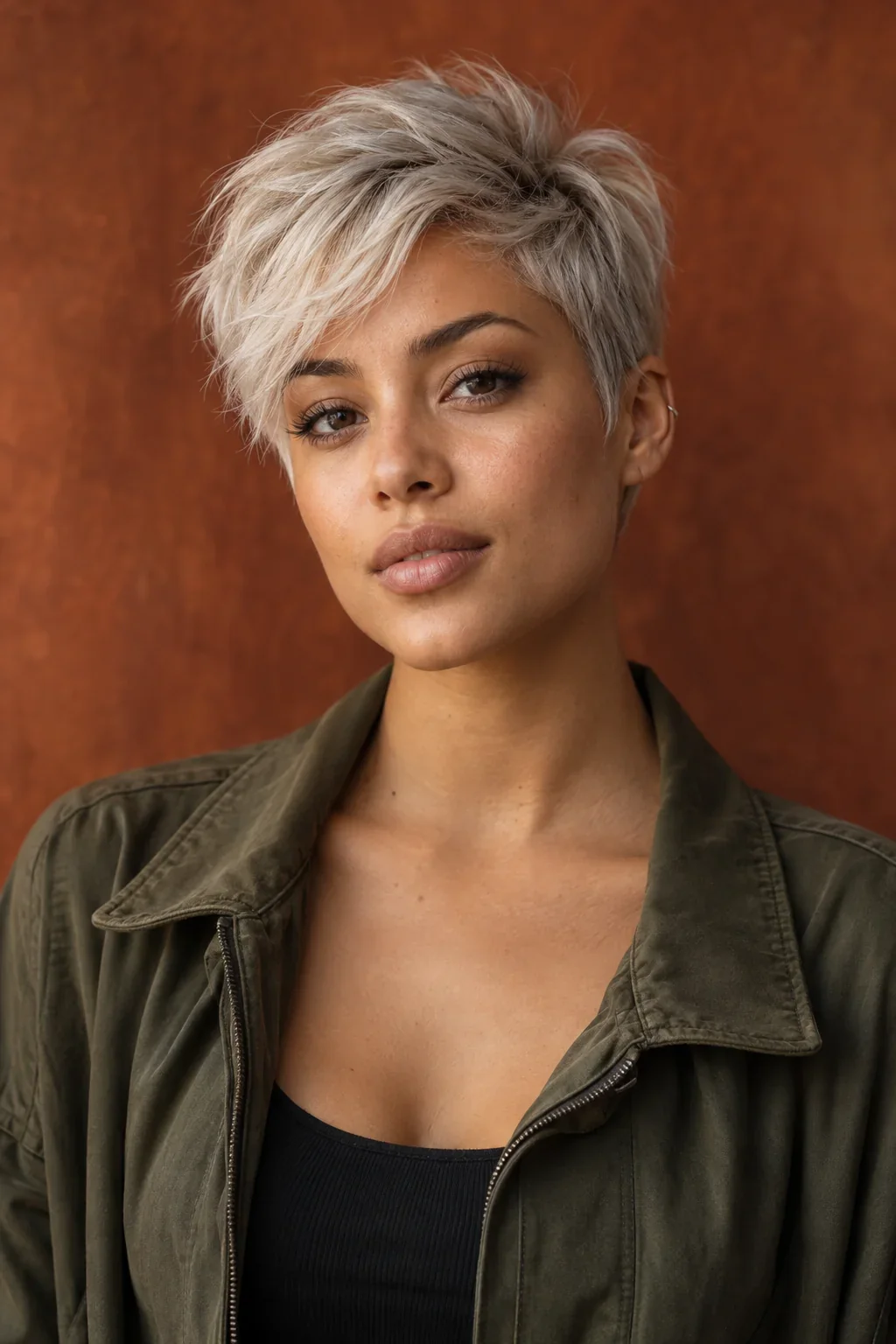
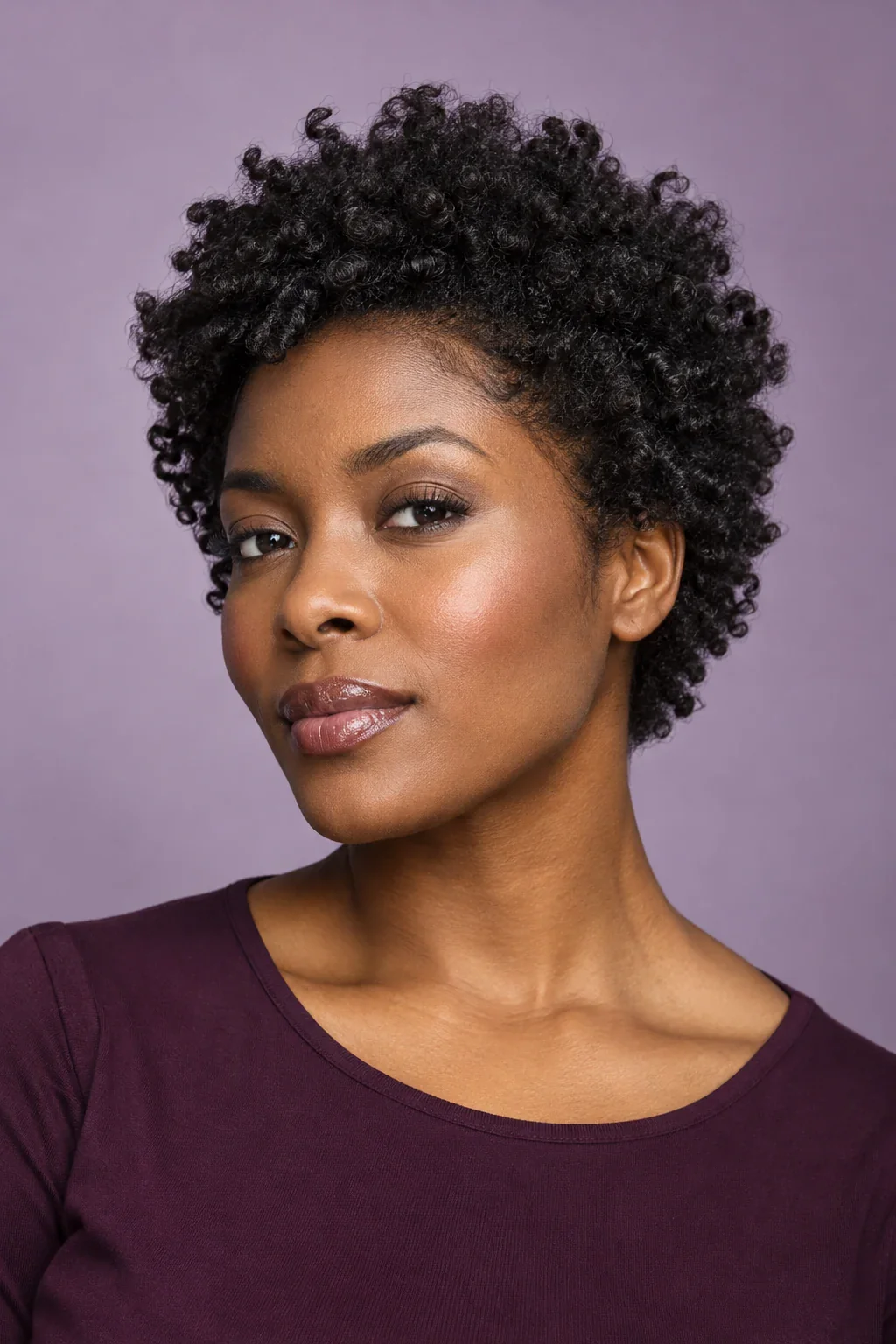
Bold hairstyles can focus on a silver pixie cut, sculpted curls, copper color or one strong side-swept shape.

A strong outline, a visible contrast or an unexpected pairing can change the whole impression.

Explore the looks
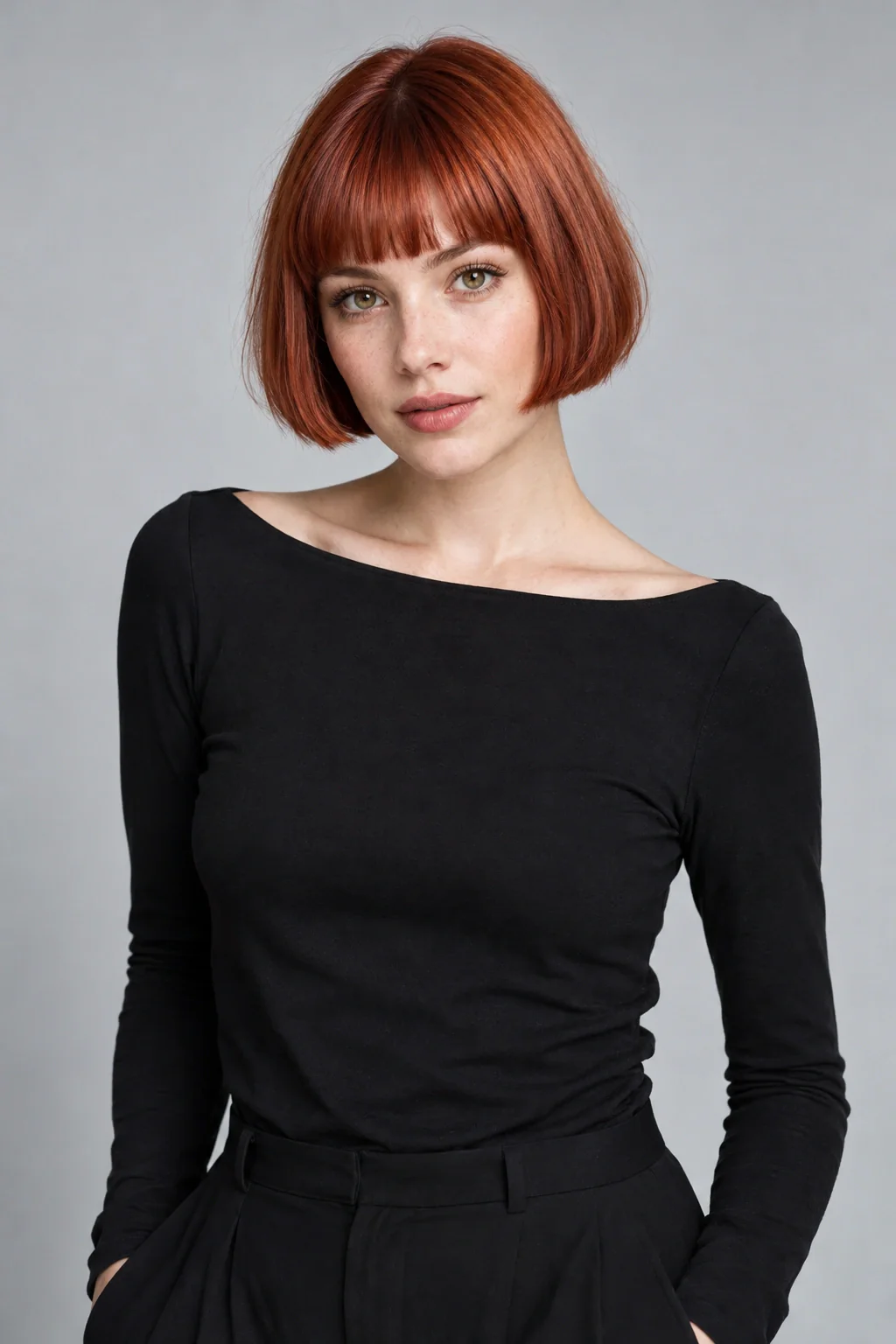
A young woman with a vivid red blunt micro bob and short straight bangs wearing a black top against a cool gray backdrop.
01

Pick your focal point

Choose between shape, color, height and asymmetry before trying to amplify all four. A sculpted crop might be the statement on its own; a copper tone might work best with a quieter outline. The eye needs somewhere to land. Keep a reference that shows your chosen feature clearly.
02

Separate reversible styling from a lasting change

Moving the part or adding an oversized accessory gives you a short experiment. Cutting off length or changing color requires a different conversation about upkeep and feasibility. Try the smallest version that answers your question, then decide whether you want to go further.

03

Keep your comfort visible

A statement works best when you can move naturally in it. Look at your profile, try your normal clothes and check whether the silhouette still feels like you away from the mirror. You do not need to choose the most dramatic version simply because it creates the biggest difference in a picture.

The mood, in looks.

A little more inspiration.

Occasions9 min read

Hairstyles for Statement Earrings

Choose a side tuck for one visible earring, a half-up style for an open front with loose length, or a low ponytail for a matching pair. If a drop catches repeatedly, move the hair beside its fastening before changing the entire style.

Read the story
Occasions9 min read

Concert Hairstyles

For a standing show, try two braids or a half-up style that clears your eyes. For a seated concert, choose a low ponytail or loose hair with flat clips. Test ear protection and your travel layers with the hairstyle before adding decoration.

Read the story
Occasions9 min read

Hairstyles for Dancing

Choose a braid or ponytail when you want the length contained, and half-up hair when you want movement with a clear front. If a style feels secure only when pulled tighter, change its section size or fastening. Bring the tie for a practiced second version.

Read the story
Mood & identity8 min read

Change your Hairstyle without Cutting

Choose one reversible change at a time: part for a different front, gathering for a different outline, or an accessory for a stronger accent. If you keep wanting a shorter silhouette afterward, take that specific preference into a preview and a haircut consultation.

Read the story
Color stories8 min read

Hair Color Ideas for Dark Hair

Start with a dark base you want to preserve, then choose one area for contrast. If the lighter pieces become the first thing you notice, reduce their prominence in the brief. Ask the colorist how the placement works with your usual part and upkeep.

Read the story
Mood & identity8 min read

How to Plan a Hair Makeover

Choose the change that addresses your main frustration, then write what would justify a second change. A bob does not automatically need a new color, and a color refresh does not require a fringe. Let the professional determine the treatment order.

Read the story
LET ONE IDEA LEAD

Make the contrast intentional.

Bold hair can be a strong outline, an unexpected color or one pronounced styling detail. The aim is not to maximize every variable. It is to choose the contrast that excites you and give it enough space to be understood.

01 / THE DETAILS

Choose a strong shape, a new color or a visible accent.

A bold hair idea can come from a compact bob, an expressive crop, a brighter color direction or one clear accessory. You do not need to change all of those at once. Choose the feature you want people to notice first.

  • Shape: compare a defined bob with a swept-front crop. Look at the visible neck and ears as well as the face. Keep your current color in mind so you can judge whether the cut itself excites you.
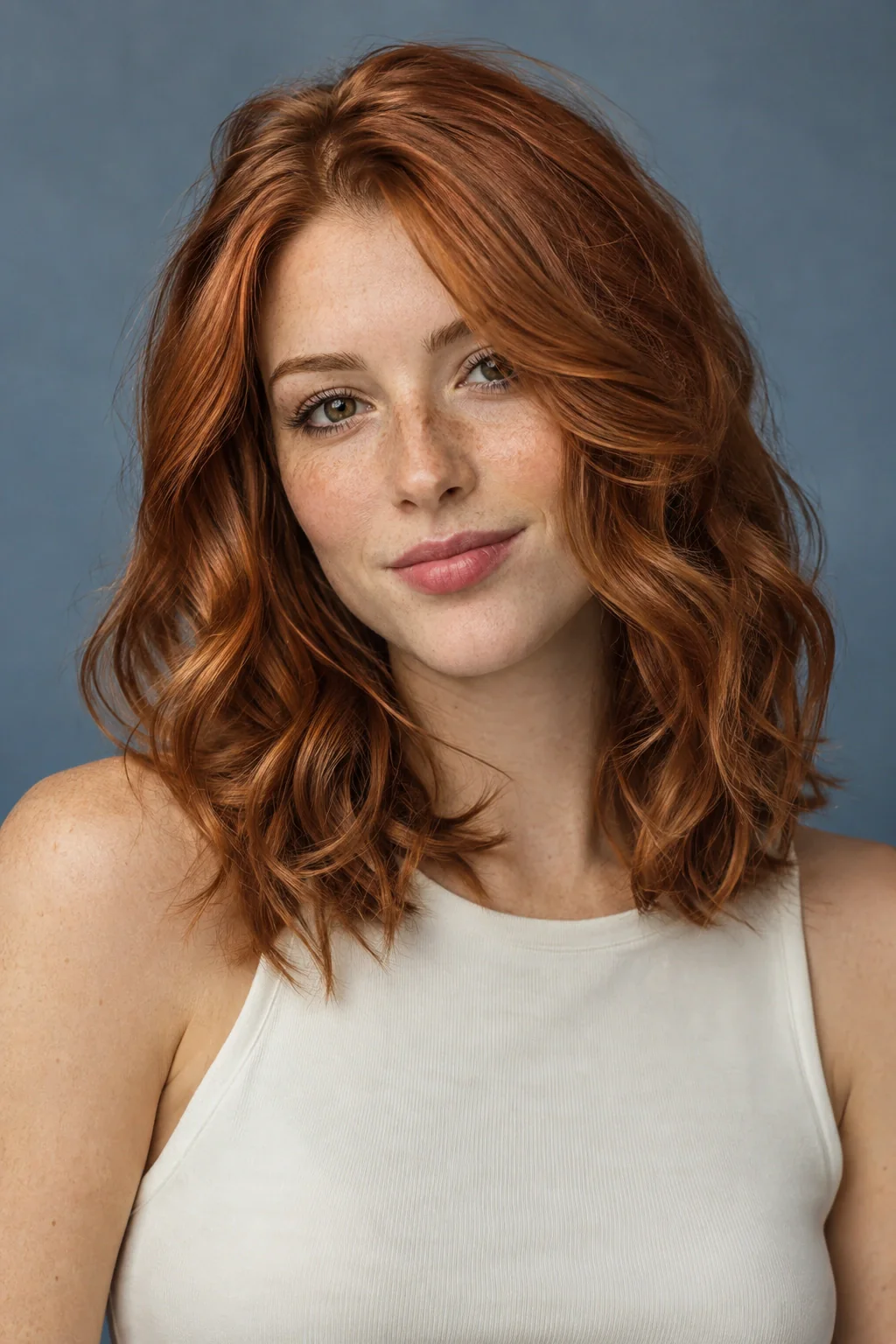
  • Color: explore a warm copper or very light direction on your portrait. Keep the haircut familiar for the comparison, then ask a colorist about the real process and upkeep from your starting hair.
  • Accent: wear one visible clip, a pronounced side sweep or a clearly exposed statement earring. A reversible styling change lets you explore the mood without booking a permanent service.

Pair the hairstyle with clothes you already wear and decide whether you enjoy the overall effect. You can keep the dramatic detail for a particular occasion, or make it part of your daily style. Neither choice needs a complete wardrobe change.

02 / THE DETAILS

Give the statement a real setting.

Try the idea with the clothes you wear most often, not only an imagined special outfit. A strong hair shape can feel different beside a simple shirt than beside an expressive neckline. Decide whether you like that contrast in ordinary life as well as in a portrait.

If the complete look feels crowded, remove one competing detail before abandoning the hairstyle. You might prefer quieter earrings, a simpler collar or less contrast in the rest of the styling. The goal is a clear point of attention, not a checklist of dramatic elements.

03 / THE DETAILS

Match the experiment to the commitment.

A part change, a temporary arrangement or an accessory can answer some questions immediately. A short cut or a major color shift needs a different conversation about feasibility and upkeep. Use the smallest experiment that clarifies the feature you are curious about, then decide what kind of change you want.

An AI preview can help with the imagined appearance, but a professional still needs to assess the real-hair plan. Keep the part that makes you feel confident and discuss the adaptation openly. Choosing a quieter version after exploring the bold one is a deliberate decision too.

A LITTLE CLARITY

Your questions, considered.

Does bold mean changing everything at once?

No. One clear contrast can carry the whole look. Choose the feature you most want to explore and keep other variables familiar until you understand your preference.

What if I love the image but not the maintenance?

Ask which smaller adaptation could preserve the effect. You may enjoy the shape without the color, or a placement change without a major service. The reference can inspire more than one level of commitment.