
Start with a dark base you want to preserve, then choose one area for contrast. If the lighter pieces become the first thing you notice, reduce their prominence in the brief. Ask the colorist how the placement works with your usual part and upkeep.
Hair color ideas for dark hair: choose your contrast
Look at a color photograph from a little distance before zooming into individual strands. Does the whole hairstyle still read as dark, or do the bright pieces dominate? That first impression is a practical way to distinguish quiet dimension from a broader lightening goal. Both can be appealing; they simply ask the colorist for different outcomes.
Keep a current picture beside the ideas you collect. Mark the areas whose depth you want preserved, such as the roots, the outline around the ears or most of the lower lengths. Then choose where contrast should be visible. You do not need to draw a technical placement map; your role is to describe the result you want to see.
Compare contrast before choosing a color name
Look at how different the lighter sections are from the surrounding hair in each reference. Some images show closely related shades; others use a much stronger separation. Decide which relationship appeals to you before becoming attached to names such as caramel, mocha, or bronze. The same name can describe very different levels of contrast depending on the starting hair and the photograph.
View the references at a normal size and from a little distance. Are you noticing the overall dark impression first, or do the lighter sections immediately become the main feature? Both are valid directions, but they answer different briefs. If you want to preserve a predominantly dark look, say that clearly and choose examples where the darker areas remain an important part of the composition. Do not rely on a technique label alone to communicate the amount of change.
Put the placement on your real hairstyle
Color placement interacts with how you wear the hair. A detail around the front may be prominent when the hair is down and partly hidden when gathered. An interior accent may appear mainly with movement or a changed part. Show the colorist your usual arrangements so the proposal is designed for the hair you actually wear rather than only for a finished salon photograph.
Bring pictures from the front, side, and back when those views matter to your decision. Point to the area where you want the variation to be visible. Ask what would happen when you use your normal part or tuck one side away. This does not require knowing a professional placement technique. It requires being clear about the result you want to see in daily life and letting a professional translate that intention into an appropriate plan.
Keep tone separate from brightness
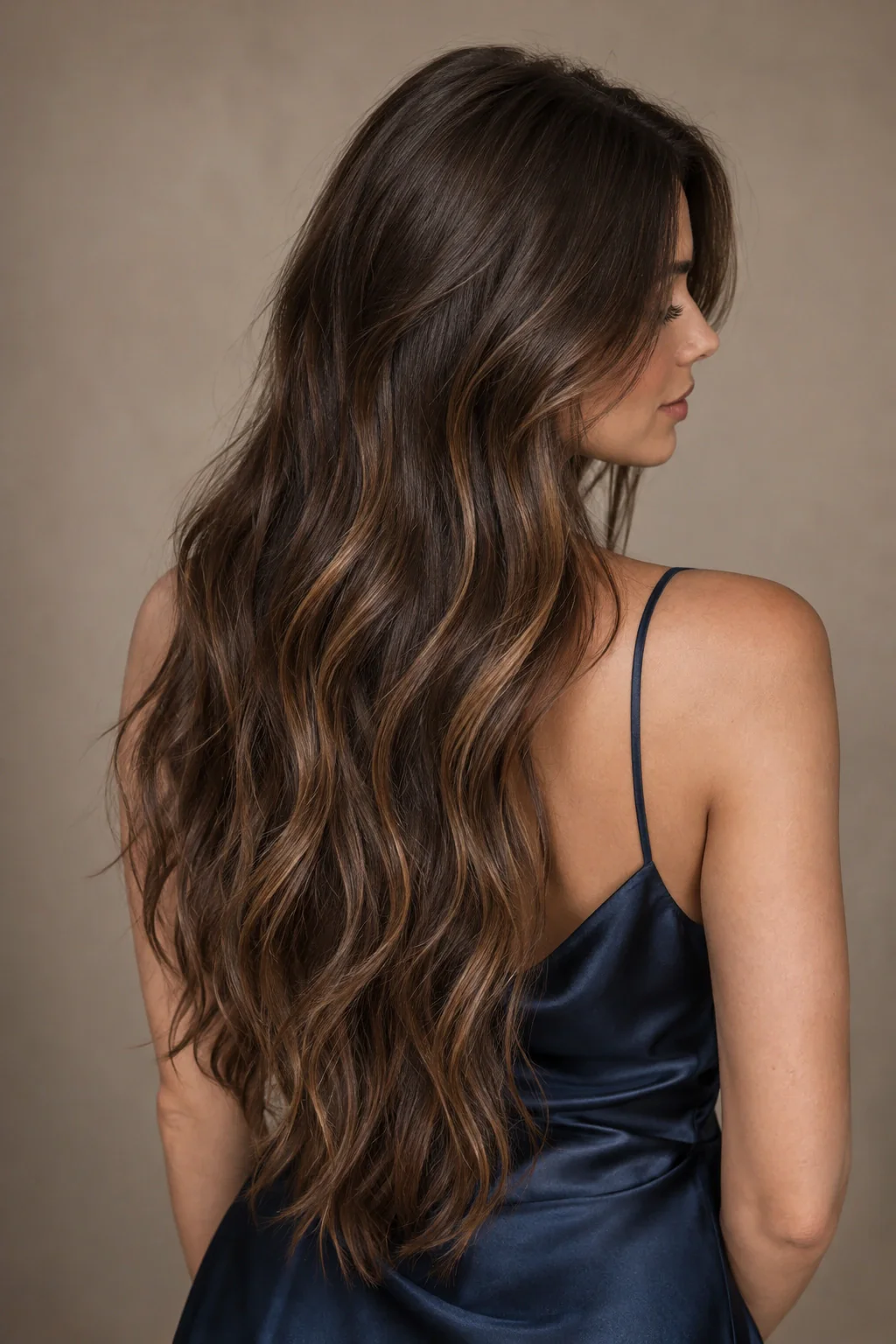
You may enjoy warm-looking dimension, cooler-looking variation, or a more neutral impression. Compare examples with similar brightness so you can identify the preference. If the warm reference is also much lighter, you might be responding to the brightness rather than the warmth. Label both features until you know which one matters most to you.
Check the direction beside the clothes you usually wear, while remembering that photographs and displays are imperfect color references. You are choosing an impression to discuss, not proving that a particular tone is the only one compatible with your complexion. Bring a few examples and explain what you see. A colorist can help distinguish the visual wish from the achievable result on your hair, including how previous color may affect the options.
Ask what the service actually involves
Highlights and balayage describe different approaches to placement; neither term by itself tells you the final contrast, exact tone, or amount of maintenance. Wella's professional service descriptions distinguish root-to-tip highlights from gradient lightening, illustrating why the intended result needs more explanation than a single word. Ask the salon to describe the proposed placement in relation to your references and current hair.
If lightening is involved, discuss your hair history and the limits of the first appointment. The AAD notes that chemical color services can cause damage. A professional assessment is the right place to discuss the practical route, possible compromises, and whether the change you want is worth the process required to create it.
Consider the grow-out picture
Ask how the placement is intended to relate to new growth and what the lighter areas may look like as time passes. A blended-looking reference does not automatically mean no maintenance. The visible transition, tone, and desired finish all affect how you may feel about the result between appointments. Request an explanation tied to the actual plan rather than a broad claim that one technique is always easier.
Describe how often you are willing to return and what kind of change you are comfortable seeing between visits. You may like an evolving contrast, or you may prefer a more consistent appearance. Neither preference is wrong, but it should influence the proposal. If the suggested upkeep exceeds what you want, ask whether reducing the contrast or changing the placement could preserve the mood while making the service more suitable for your routine.
Check dimension in three versions of your own hairstyle
Use your normal loose style, your regular tuck and the gathered style you wear most. The same placement may look quiet with hair down and much stronger in a ponytail. Inspecting all three helps you describe where you enjoy the contrast. You are not asking every style to reveal an identical amount of color; you are deciding whether each version feels comfortable to wear.
With hair down, look at the balance between the dark outline and the brighter areas. With a tuck, notice whether a previously hidden section becomes a prominent band beside the ear. With hair gathered, look at the front and the tail separately. If you change your part frequently, add that version too. Show the colorist those habits before the service so the placement conversation reflects your week.
For the follow-up, use location-based notes. “The front feels brighter than I expected when tied back” is more precise than “the highlights are too much.” “I like the lower ribbons but want to keep more darkness around the temples” preserves the successful part of the result. Include clear photographs in ordinary light and let the colorist assess the appropriate response. Avoid turning an unclear phone image into a reason to improvise another color service yourself.
Choose the moment when you want the dimension to appear
Picture your usual hairstyle from the front, side and back. In which view would you like a color accent to become visible? You may want a quiet overall dark impression with occasional contrast when the hair moves, or a more evident detail around the front. These are distinct visual intentions. Describe the preferred moment before choosing a technique name, and bring photographs of the ways you actually wear your hair so the conversation includes your everyday part and gathered arrangements.
Use an existing reference to point to the area that interests you, then cover the rest of the image briefly. Does that detail still appeal when separated from the model, styling and lighting? If it does, write why: it might break up a broad dark shape or create a small point of emphasis. Keep the explanation visual and personal. A professional will need to assess the route from your current hair; this exercise is intended to make the desired placement and contrast easier to communicate.
Compare the loose and gathered versions of the idea
Make a two-row note with loose hair and your most common gathered style. For each row, write where the proposed dimension would be visible and whether that is the effect you want. If you do not know, mark it as a consultation question. A color reference shown only with loose, carefully arranged lengths leaves part of your wearing experience unexplained. The gathered version matters if it is how you spend much of your week, even when it is absent from the photographs you save.
Take both rows into the discussion and ask for a clear explanation of the intended distribution. You may choose to prioritize one arrangement while accepting a different effect in the other. Record that choice so the compromise is deliberate. When reviewing the result later, use both hairstyles and compare them with the agreed visual brief. This helps you distinguish between a placement that does not serve your priorities and an effect you knowingly accepted because another way of wearing the hair mattered more to you.
Your questions, considered.
Does dimensional dark hair have to look blonde?
No. Dimension describes visible variation, not a required destination shade. Explain how much of the overall dark impression you want to preserve and show the amount of contrast you enjoy so a colorist can discuss suitable options.
Are balayage and highlights the same result?
They describe approaches to placement rather than one identical finished look. Ask the salon to explain the specific plan, including where contrast will appear, how strong it will be, and what maintenance it is likely to involve.
Where should lighter pieces draw attention in dark hair?
Fine front sections emphasize face framing, narrow ribbons through the lengths show movement, and brighter tips draw attention to the ends. Choose one placement before comparing the amount of contrast, so you can explain exactly where you want the darker base to remain visible.
Sources & what they support
The notes below explain the scope of each source. Hairstyle selections, outfit combinations and comparison exercises are HairSparks’s editorial suggestions; the links do not imply endorsement.
- Wella Professionals: blonde and balayage services ↗Professional context for salon lightening, placement and toning. The color-comparison exercises in this guide do not prescribe a formula or promise a result.
- American Academy of Dermatology: coloring and perming tips ↗Care background on coloring, lightening and chemical services. Used to explain why a visual preference still needs a separate discussion about real hair and its condition.
- L’Oréal Professionnel: preparing for a hair consultation ↗Consultation context: bringing pictures, explaining styling habits and discussing maintenance with a professional. It supports the consultation advice, not our aesthetic judgments about individual looks.
HairSparks and Hair Muse share the same publisher. App mentions are promotional. Read our editorial policy.