
Choose the lightness first, then compare warmer and cooler versions near that depth. If both appeal, describe which features you prefer in each. A neutral-looking result is also a valid brief; the colorist can assess what it means for your starting hair.
Separate three color questions that often get mixed together
Warm, cool and neutral describe a visual impression. They do not specify an exact formula, and the same label can look different across photographs. Golden, coppery and reddish impressions often fall under warm; ashier or more muted impressions may be described as cool. Begin with images that show what those words mean to you.
Then split the comparison into depth, temperature and placement. A pale cool blonde next to a deep chestnut changes all three if the blonde also has a bright front section. Preferring that photograph does not reveal which difference mattered. A closer pair is easier to read, even when the images are not perfectly matched.
Hold depth steady while comparing
A very pale cool reference and a dark warm reference are changing two major variables at once. If you prefer one, it may be because of the lightness rather than the temperature. Look for a pair with roughly similar depth, then compare the tone. Exact matches are rarely possible online, but a closer comparison makes your response easier to interpret.
If you cannot find suitable references, write separate notes for depth and temperature. You might conclude that you want to remain fairly dark while exploring a warmer accent, or that you are open to more brightness but prefer a restrained tonal effect. This is already a useful brief. You do not need to settle on a named shade before the consultation; a clear relationship between the variables is more helpful than an exact label based on an imperfect image.
Compare the mood in a familiar setting
Place the references beside a photo of yourself wearing a frequently used top or jacket. Ask what kind of relationship you enjoy: continuity with the clothes, a stronger contrast, or a slightly unexpected combination. You are exploring taste, not proving that the image matches a predetermined category for your skin. Several directions may be appealing for different reasons.
Try a second familiar outfit before drawing a conclusion. A color that seems perfect beside one special piece may create a different impression with your everyday wardrobe. That is useful context, especially if you want a versatile result. If you are choosing the color precisely because it makes a particular combination exciting, say so. A deliberate preference is more meaningful than a rule that claims one temperature should work equally well in every part of your life.
Notice the role of contrast within the hair
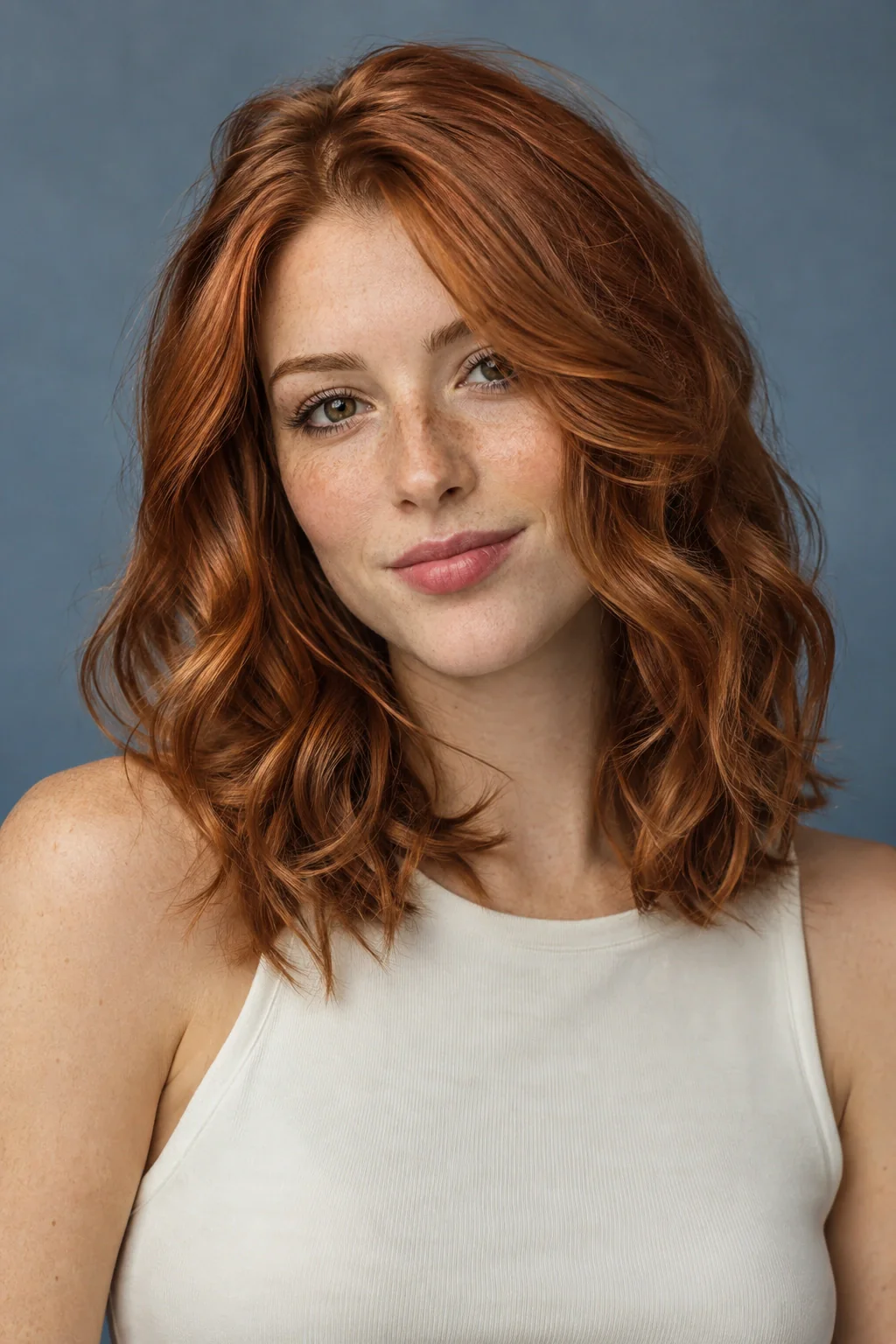
Temperature is only one part of a color's mood. The contrast between darker and lighter areas can be just as noticeable. A warm result with closely related shades may feel quiet, while a cool result with a strong front section may feel more graphic to you. Reverse those combinations and the impression may change again. Avoid assigning an entire aesthetic to temperature alone.
Use your references to compare placement and contrast separately. Point out whether you want a relatively unified color, small variations through the lengths, or an obvious accent. A colorist can then explain how those choices interact with the temperature you like. This avoids a common communication problem: asking for a cooler shade when the real goal is lower contrast, or requesting warmth when what you actually admire is the placement of the lighter sections.
Read photographs with some caution
A reference's lighting and editing may influence the apparent tone. Nikon's photography guidance explains that white balance affects recorded color. If skin, clothing, and background all have a strong warm or cool cast, the hair may be part of that overall image treatment. Look for additional photographs of the same general direction rather than relying on one highly stylized frame.
Keep the reference's purpose modest. It can illustrate the impression you want to discuss without serving as an exact color sample. If a preview image interests you, use words such as warmer, cooler, softer, or more muted relative to your current hair. Then ask a professional to show relevant real-world examples or salon references. The combination of your visual preference and their assessment is more useful than trying to reverse-engineer a formula from screen pixels.
Ask how the direction works from your starting point
Tell the colorist what is currently on your hair and what you have done previously. Ask whether the desired temperature change can be approached at your preferred depth, what limitations they see, and what the result may look like between appointments. A cooler or warmer appearance is an outcome to discuss; it does not identify one universal service or guarantee a simple adjustment.
Be explicit about what you are unwilling to change. If preserving depth matters more than reaching a particular cool reference, say so. If the tone is the main priority and you are open to other adaptations, explain that instead. Ranking these preferences helps the professional suggest a compromise that still answers your brief. Without that hierarchy, you may agree to a process aimed at a detail you liked but did not consider essential.
Describe the result without giving yourself a permanent category
Write a short color brief that can survive a change in shade name. “Medium brown with a restrained warm impression” is clearer than deciding you are a warm-hair person. “Keep the current depth, but explore a more muted tone” gives the professional a different starting point. These descriptions leave room for the assessment of your hair and previous services.
If you like both ends of the comparison, identify the occasion for each preference. You might enjoy copper beside dark clothing but prefer a quieter brunette in your everyday photographs. That does not require a personality diagnosis. Choose the direction you most want to wear now, or discuss whether a smaller visual shift would satisfy the interest without changing the whole impression.
Before agreeing to the plan, ask what tradeoff it involves. Does the proposed temperature require a depth change you did not want? Would the result need a different upkeep routine from the one you described? If so, return to the priority sentence and adjust the brief. Afterward, record what you like about the color in normal settings. Those observations are better material for the next appointment than defending a fixed warm or cool identity when your preferences have moved on.
Compare temperature while keeping the rest of the brief quiet
Choose two references that are as similar as possible in overall depth, placement and hairstyle, while showing the warm and cool directions you want to discuss. Write down the remaining differences before judging them. If one image has a much more dramatic cut or polished finish, that difference may be contributing to your reaction. You do not need perfect laboratory conditions, but acknowledging the mismatches helps you avoid attributing every preference to color temperature alone.
Place each reference beside the same familiar outfit photograph and describe the mood you perceive. Use personal language such as feels softer with this shirt or creates the contrast I enjoy, rather than declaring one direction universally better for you. If both appeal in different ways, preserve that information. You may be choosing between two valid aesthetic preferences, with the practical decision depending on a professional assessment of your starting hair, the proposed service and the maintenance you are willing to undertake.
Give an uncertain preference a smaller question
If warm versus cool remains too abstract, narrow the decision to a feature you can describe. Do you want the hair to feel closer to the warm tones in a favorite jacket, or more distinct from them? Do you prefer the overall impression of one reference when its styling is ignored? Would you still like the direction with the glasses and jewelry you wear every day? These questions turn a broad category choice into observations connected to your own wardrobe and habits.
Write a provisional preference and the reason behind it, then leave room for revision after a consultation. A useful note might say that you are drawn to a cooler impression because of its contrast with a particular outfit, while remaining uncertain about the route from your current shade. This is clearer than presenting a fixed color label with no explanation. The eventual choice can honor the visual intention while changing the exact tone or scope if professional advice reveals a different route that better fits the practical part of your brief.
Your questions, considered.
Does my skin undertone determine my only good hair color?
No single aesthetic rule needs to make the decision for you. You can explore different relationships and choose what you enjoy. Use complexion, clothes, and references as context, then discuss the practical color plan with a professional.
Can hair look both warm and cool in different photographs?
Yes, the photographed impression can vary with lighting, processing, and display conditions. A single image is not an exact shade specification. Compare several clear references and explain the relative direction you want.
What if I prefer a neutral-looking result?
Say that you want neither an obviously warm nor an obviously cool impression, then show what that means in references at your preferred depth. Leave the specific formulation and achievable balance to the colorist's assessment.
Sources & what they support
The notes below explain the scope of each source. Hairstyle selections, outfit combinations and comparison exercises are HairSparks’s editorial suggestions; the links do not imply endorsement.
- Nikon: setting white balance ↗Explains how lighting and camera white balance affect photographed color. Supports checking color context instead of treating one screen image as an exact shade.
- L’Oréal Professionnel: preparing for a hair consultation ↗Consultation context: bringing pictures, explaining styling habits and discussing maintenance with a professional. It supports the consultation advice, not our aesthetic judgments about individual looks.
HairSparks and Hair Muse share the same publisher. App mentions are promotional. Read our editorial policy.