
0
Download on the App Store
HAIR COLOR TRY-ON

Hair color try-on.
A shade of you.

Explore hair color try-on with Hair Muse.

Picture copper, brunette, blonde or silver on your photo and compare the direction you like.

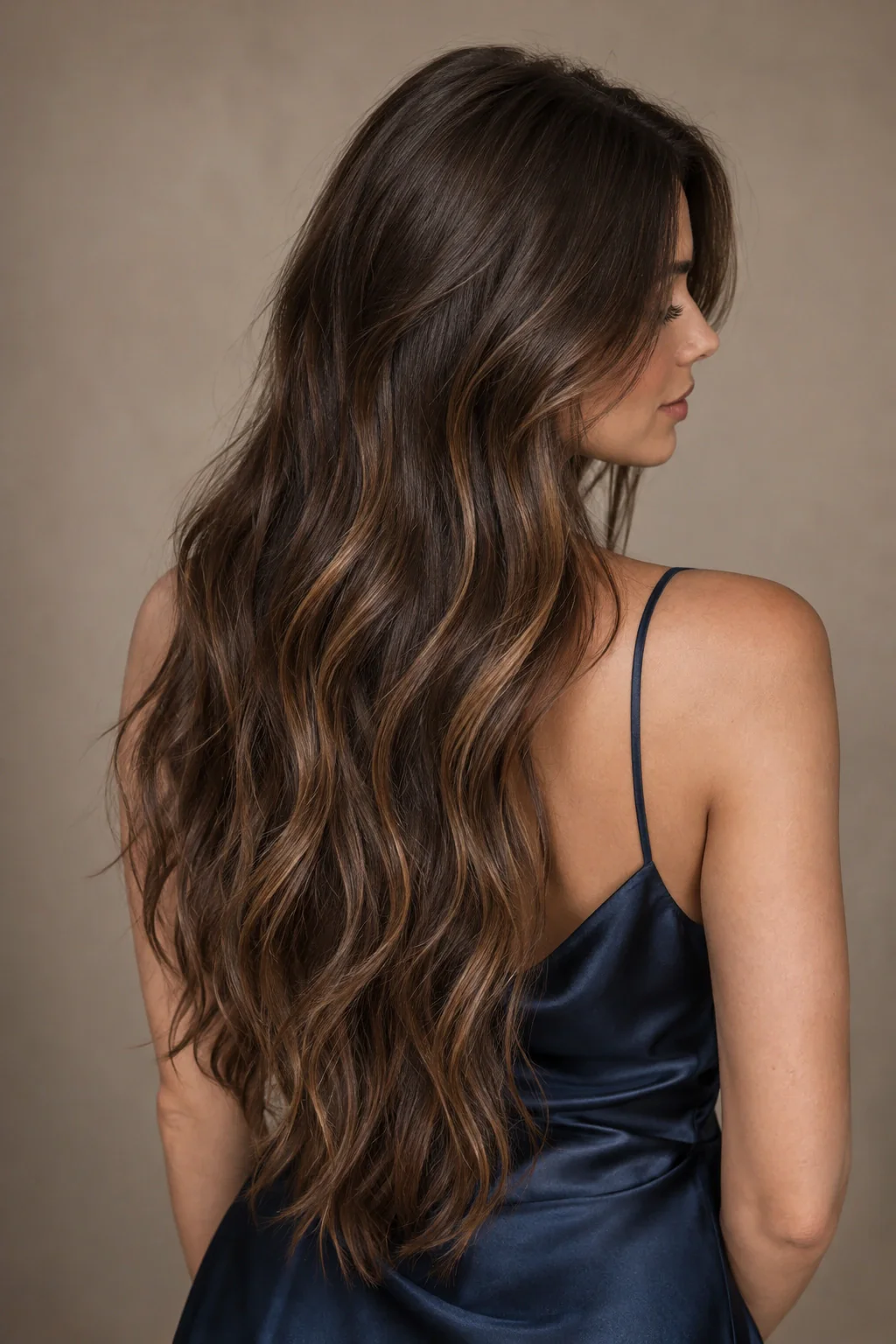
Rear three-quarter view of long espresso-brown waves with fine caramel ribbons above a navy satin top.
HAIR COLOR TRY-ON

Hair color try-on: compare one shade at a time.

A hair color try-on helps you compare a familiar shade with one clear alternative: copper for red-orange warmth, a deeper brunette for a darker effect, or blonde for stronger contrast. Keep the haircut similar while exploring the color change in Hair Muse. Once a direction interests you, narrow it around your starting shade and the upkeep you prefer.

01 / THE DETAILS

Use a hair color changer to compare warmth, depth and contrast.

Color names are broad. “Copper” can describe a deep reddish brown or a bright orange-red direction; “blonde” covers many depths and tones. Look at the image itself and describe the difference you see. That makes a preview easier to discuss without treating a screen as a shade chart.

Brunette → warm brunette → copper

Use this sequence to separate added warmth from a larger move into red-orange. If you like the middle option most, a quieter warm direction may be enough. Compare the overall hair color and the sections nearest your face without changing the haircut too.

Current depth → darker → lighter

This asks how much contrast you want, independent of the exact shade name. Check the hair against the same skin, clothing and background. A bright studio image can make a light color look exciting for reasons that have little to do with the color alone.

All-over shade → localized contrast

Notice whether the appeal comes from brightness near the face, through the lengths or across the whole head. Use that observation to explain placement to a colorist.

Keep your favorite direction and a quieter alternative. Ask the colorist what each would involve from your current hair, including past color, condition, ongoing appointments and cost. A preview helps you choose an effect to discuss.

02 / THE DETAILS

Copper, brunette, blonde or silver: hair color ideas to compare.

Editorial starting points for a color moodboard
DirectionA useful visual questionKeep separate
BrunetteDo I enjoy more depth, a softer brown or warmer dimension?The actual formula and whether previous color affects the plan.
BlondeDo I want a brighter overall impression or lightness near the face?The process, condition and upkeep needed from my starting shade.
Copper or redAm I drawn to warmth, intensity or the way it works with my clothes?A particular salon shade name or a promise of longevity.
Platinum or vividIs the strong contrast itself what I enjoy?Whether that contrast is practical for my hair and routine.

Scroll sideways to compare →

These are ways to read an image, not prescriptions for particular complexions. You are allowed to like contrast, softness or an unexpected combination. Use your own response as information. If a palette suggestion conflicts with a color you enjoy wearing, explore the difference rather than assuming the suggestion is a rule.

03 / THE DETAILS

Try your virtual hair color with the clothes you love.

Picture the color with the clothing you repeat most: perhaps a navy jacket, a white shirt and a bright knit. A reference photographed against a coordinated backdrop may feel more harmonious than an everyday combination. That does not make it a bad idea; it means the photograph supplied some of the effect.

Look at one comparison in a calm setting and return to it later. Write down what you enjoy before opening more examples.

04 / THE DETAILS

Bring the direction, leave the formula open.

“I like the warmth of this reference, but I want a quieter overall contrast. What could create that feeling from my current color, and what would I need to maintain?”

This illustrative brief gives a colorist useful room to work. Share your color history accurately, including home coloring and previous lightening if applicable. Ask about feasibility, upkeep and the way the color may change between appointments.

If you are mainly drawn to a small face frame or a hidden panel, say so. The most dramatic preview is not automatically the right service. You can enjoy the visual idea and decide on a subtler adaptation, or keep the experiment as inspiration without booking anything.

A LITTLE CLARITY

Your questions, considered.

How do I use a hair color changer to compare shades?

Start with one portrait in even light and explore hair color try-on in Hair Muse. Compare a familiar shade with copper, a deeper brunette or a lighter direction. Look at warmth and depth separately, then picture your favorite shade beside a top you wear often.

Should I choose color by a skin-tone category?

You can use color guidance as a prompt, but your preference matters too. Compare shades with familiar clothes and consistent image conditions. A single category should not make a color you enjoy feel off limits.

Can I find a low-commitment version of a bold color idea?

Bring the particular feature you enjoy to a colorist: the warmth, contrast, placement or brightness. Ask about possible adaptations and their upkeep. Do not assume that a small-looking change in an image automatically means a simple service.