0
Download on the App Store
MEN’S HAIRSTYLE IDEAS

Men’s hairstyle try-on.
Your next haircut.

Explore men’s hairstyle try-on with Hair Muse.

Compare a textured crop, a swept front or a longer cut on your photo before your next barber visit.

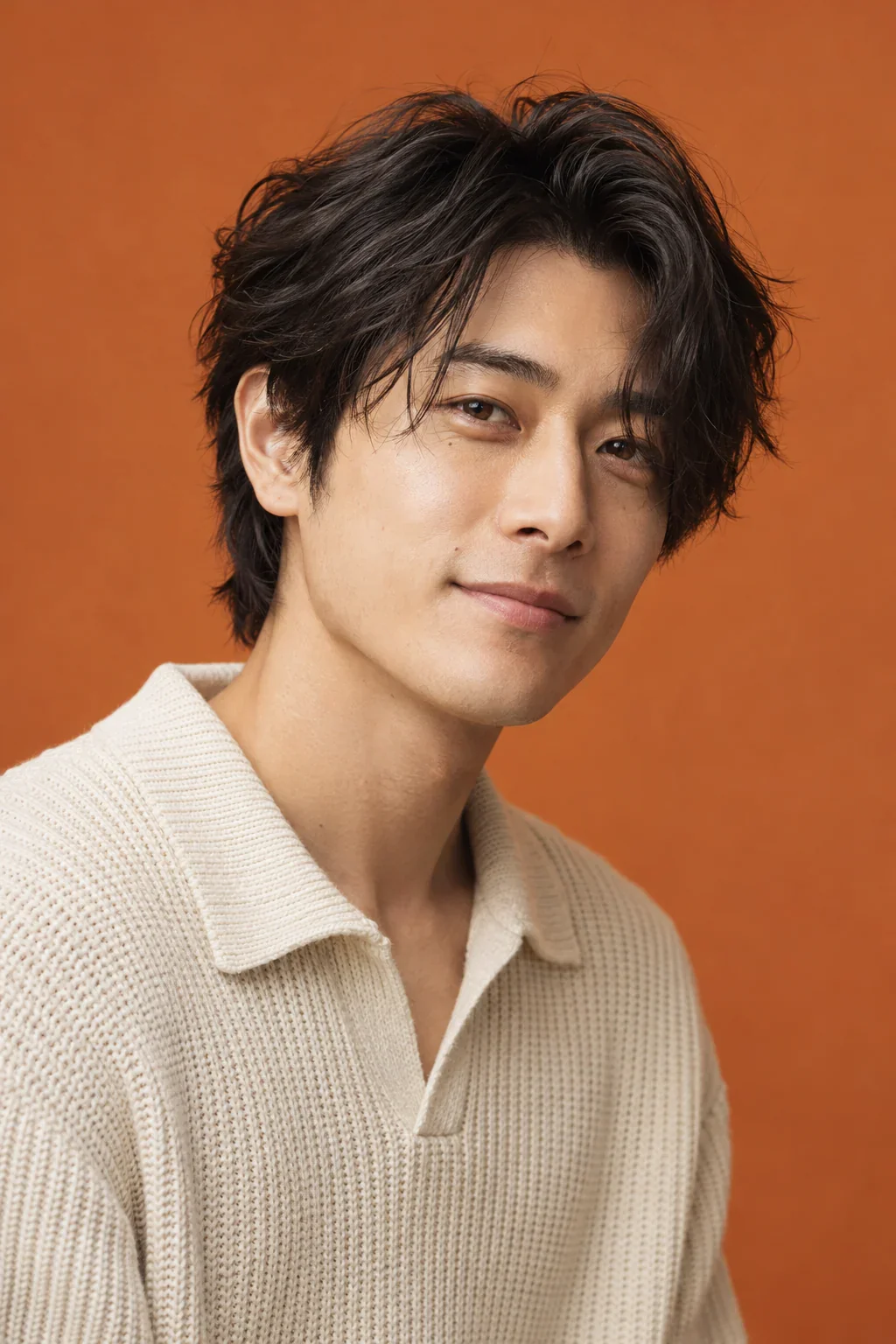
A young man with softly tousled dark hair and a cream knit shirt against a rust backdrop.
MEN’S HAIRSTYLE IDEAS

Men’s hairstyle try-on: three haircut directions.

A textured crop brings the fringe forward; a swept front leaves more forehead open; a longer scissor-cut shape keeps softer coverage around the sides. Start with the direction you would enjoy wearing most mornings. Then decide how much contrast you want between the top and sides, and whether your current styling routine can support that choice.

01 / THE DETAILS

Textured crop, swept front or longer layers?

Compare cuts by what the front does and how much coverage remains at the sides. You do not have to choose a fade to make the outline feel fresh. A barber can discuss a softer taper, fuller scissor-cut sides or a more pronounced contrast depending on the result you want.

For the first preview, keep color familiar and look at the entire head shape. Then inspect the front separately. A hairstyle can look appealing in a still portrait while requiring the fringe to sit in a direction you do not normally wear. Take that question into the consultation.

Three starting points for a men’s haircut comparison
DirectionLook forBring to the barber
Textured cropA shorter forward front with visible separation through the top. Sides can be close or softer.How short should the fringe be, and how will it sit with my normal growth direction?
Swept front / relaxed quiffMore open forehead and a longer front that moves back or across.What length do I need at the front, and what would the less-styled everyday version look like?
Longer scissor-cut shapeMore coverage around the ears and movement through the sides.Where should the perimeter finish, and which areas need shaping as it grows?

Scroll sideways to compare →

A haircut name does not specify the sideburns, neckline or transition between lengths. Show those areas in separate photos if they matter to you. Explain what you disliked about previous cuts, including pieces that stood up, fell into your eyes or needed more styling than you wanted. That gives the barber something concrete to work from.

For a clearer barber brief, describe three areas separately: the front, the sides and the neckline. Say whether you prefer a fringe forward or swept back, ears covered or exposed, and a rounded or more defined finish at the neck. These details make a familiar haircut name much more specific.

02 / THE DETAILS

Choose one familiar version and one real change.

For a useful first comparison, keep an option close to your current haircut beside something that changes one important feature. You might compare a softer front with a more defined one, or a similar top with quieter sides. If both examples differ in length, color, facial hair and lighting, it becomes harder to tell which change you actually enjoy.

Keep your original portrait as part of the set. Compare the outside shape first, then inspect the front and side relationship.

An experiment that leads you to keep most of your current look is still useful. You might find that only the perimeter needs changing, or that a different styling direction supplies the refresh you wanted. There is no requirement to choose the largest difference in order for the comparison to have value.

03 / THE DETAILS

Low taper fade or softer sides: compare the contrast.

A reference with very close sides can make the top appear more prominent. Another with more coverage can feel quieter even if the top is similar. Decide which relationship you enjoy before choosing a technical label. You can point to a picture and explain that you like the transition but want less exposure near the ears, or that you prefer a stronger contrast.

Your barber can discuss the actual lengths and the area where they change, using your hair and head shape as context. Ask for a plain explanation of the plan if the vocabulary is unfamiliar.

Think about how the sides will look between visits as well as immediately afterward. If keeping a very defined outline matters to you, ask what that preference implies for maintenance. If you prefer a softer evolution, make that part of the discussion. The useful choice is the one you understand and are comfortable wearing.

04 / THE DETAILS

Keep the texture you normally wear in view.

A photograph may show a carefully styled top that looks different from the way your hair settles on a normal day. Identify whether you love the underlying shape or the particular finish. If you usually let your hair dry naturally, say so before building a plan around a lifted or highly directed reference.

For waves, curls or coils, focus on where the fullness sits and how the outline opens around the face. Bring an ordinary photograph of your own texture to the conversation and ask how the preferred silhouette could be adapted.

05 / THE DETAILS

Choose how the front should behave.

A forward fringe, a swept front and an open forehead place emphasis differently. Try to describe what you want the hair to do when you stop paying attention to it. Do you want it to settle forward, stay clear of your eyes or remain long enough to redirect? That everyday behavior deserves space beside the visual preference.

Consider glasses and the way you look down at a screen or desk. A front that looks appealing in a still image may become something you repeatedly push aside. A note about the habit can help your barber propose a more practical interpretation.

If you like changing the direction, ask which length and shape could preserve that flexibility. Do not assume that the longest-looking front is always the most versatile. Texture, growth direction and the rest of the cut affect the options, which is why the practical answer belongs in the consultation.

  • Where do I want the front to settle without constant adjustment?
  • Do I want to switch between forward and swept styling?
  • What should happen when I put on glasses or a hat?
  • Which part of the reference depends on a deliberate finish?
06 / THE DETAILS

Look at hair and facial hair as one composition.

If you wear facial hair, include it in the picture when considering a haircut. The outline beside the ears and through the jaw changes the overall balance you see. You may want the hair and beard to feel connected, or prefer a clearer contrast between them. Name that preference instead of judging the haircut in isolation.

Keep your familiar beard shape during the first haircut comparison when possible. Changing both at once can be interesting later, but it makes the initial question harder to answer.

Bring questions about the connection near the sideburns to your barber. A front-facing image may not show enough to explain the transition. You can use a separate profile reference or describe whether you want the boundary to feel soft or defined. The goal is shared understanding.

07 / THE DETAILS

Explore a crop without making shortness the whole goal.

A shorter top can emphasize texture and direction while leaving less length to rearrange. A very close overall look changes the visible outline more strongly. Ask which part of that idea appeals to you: less visual weight, a clearer front, a different relationship with facial hair or simply the curiosity of a new silhouette.

Discuss the actual length and finish with your barber, including how you would like the shape to evolve.

If you are unsure, compare a modest reduction with the more dramatic version. This is not a rule that everyone should change gradually. It is a way to discover whether your preference is for the general direction or for the most extreme example. Choose the option you can explain, not simply the one that creates the largest before-and-after difference.

08 / THE DETAILS

Give longer hair a practical outline too.

Keeping length does not mean leaving every detail undecided. You can consider where the hair meets a collar, how much opens around the ears and whether the front joins a comfortable tie. A longer hairstyle can feel relaxed or deliberate depending on these relationships, even without a dramatic cut.

Look at the reference with your usual clothing in mind. A jacket collar can change where the ends sit; a hood can change the nape; a buttoned shirt may make an open neck feel different from a casual top. Try an approximate gathering or tuck before deciding that the only route to a refresh is removing length.

Ask about the shape in the state you wear most often. If your hair usually sits loose, discuss the loose outline. If you gather it every day, discuss which pieces would remain secure and what would fall free. The haircut needs to work with that habit, not only with the styled reference.

09 / THE DETAILS

Let glasses, headphones and hats join the trial.

A hairstyle lives with the equipment you wear. Put on your usual glasses or headphones when evaluating a styling idea you can physically test. Notice the contact points and the areas you have to reset afterward. This is especially useful when a reference depends on height or a carefully directed front.

A hat or helmet can affect the arrangement of the hair, but the right answer is not automatically a different haircut. You may need a simpler reset or a shape whose relaxed version you already enjoy. Discuss what happens during your actual day rather than requesting an abstract “low-maintenance” look.

Keep any necessary protective equipment fitted and used as intended. Adapt the hairstyle around it rather than changing the equipment to preserve a photograph. A reference should support the way you live, including the parts of the day that are less visible in an inspiration gallery.

10 / THE DETAILS

Write the brief in everyday language.

“I like the movement at the front, but I want a quieter outline around the ears. I usually wear it without a full styling routine. Can we keep enough flexibility to sweep it back or let it sit forward?”

This illustrative brief communicates a shape relationship, a routine and a desired option. It gives your barber useful information without pretending to know the exact technique. You can add a picture to show what “quieter” means to you and ask which parts would need adapting.

If your preference is more precise, point to the area rather than relying on a label alone. Explain how much coverage you want near the ears, whether the front should stay clear of your eyes and which part of the neckline matters. Confirm the agreed interpretation before the service starts.

Ask how to recreate the everyday version in terms of actions you understand. You may need to know how to direct the front, which areas to leave alone or how the shape changes as it grows. The useful outcome is a plan you can repeat, not simply a photograph you liked at the appointment.

A PRACTICAL COMPARISON

Compare two ordinary versions of the same day.

Picture the proposed haircut on a morning when you have time to arrange it, then on a morning when you leave with the simplest version of your routine. Describe what would be different at the front, top and sides. You do not need both versions to look identical. You need to enjoy the basic shape in the version you will wear most often.

Now add the repeated events of the day: putting on a work shirt, wearing headphones, walking outside and sitting against a chair. Which part would you touch or reset? It helps you name the practical questions that a still preview leaves open.

For a longer front, you might ask whether it can settle comfortably without being pushed back all day. For compact sides, you might ask how the outline will look after some growth. For natural texture, you might ask what the shape does without the finish shown in the reference. Each question is more informative than asking for a generally easy style.

Use the answers to refine the brief before the appointment. Keep one desired effect, one everyday requirement and one point you want the barber to assess. If the proposed idea asks for a routine you do not want, discuss a variation with more flexibility. If both the styled and relaxed versions appeal, you have a stronger reason to explore the cut further.

After the consultation, repeat the proposed plan back in your own words. This gives you a chance to check the amount of change and the detail you want to preserve. Shared understanding matters more than arriving with perfect technical vocabulary. You are choosing a haircut to live with, and ordinary language can communicate that very well.

WORDS YOU CAN BORROW

Three sample barber requests for different men’s haircut ideas.

A useful request names the area you want to change and the feature you want to keep. Read the examples below as starting points for your own words. A textured crop, a swept front and longer layers need different conversations, even if all three references feel relaxed. Point to the top, front and sides separately, and bring the photo that best shows the particular area you mean. You can shorten the request to the two details that matter most to you.

Example: a shorter textured crop

“I want a shorter overall shape with some movement through the top. I like the front sitting toward the forehead, with enough separation to move it with my hands. Around the ears, I would like a clearer outline than I have now. Could we look at where the shortest front pieces would sit and agree on how much coverage to keep at the sides?” Add a side view when the outline around the ear is the part you want to discuss.

Example: a front that sweeps back

“The lifted front in this reference is the part I like. I want enough length to sweep it back, while keeping the side shape quieter. I usually wear glasses and often touch the front during the day. Could we agree on where that section should start and how I would direct it for an ordinary morning?” Show the way your hair currently falls so the discussion includes the movement you already have.

Example: longer hair with a lighter outline

“I want to keep the length and the option to gather it, but make the lower outline feel more deliberate. I would like movement near the face and less bulk over my usual collar. Before choosing the shorter pieces, could we check which sections need to reach a tie and which could sit loose at the front?” Bring the shirt or jacket neckline into the reference photo when that relationship is important to you.

Before the appointment begins, read your request back in three parts: what stays, what changes and what you want to ask about. For the crop, that might be keeping top movement while clearing the sides. For the swept front, it might be preserving front length while changing the surrounding outline. For longer hair, it might be keeping the tie-back option while refining the ends. This gives your barber a clear place to respond and makes the agreed plan easier to remember.

13 / THE DETAILS

Explore your shortlist with a men’s haircut simulator.

Hair Muse offers personal hairstyle previews in a separate iPhone and iPad app.

If you already know the shape you want and only need a professional to adapt it, you may be ready for the consultation without another preview. The app is useful when it helps answer a visual question. It is one optional stage in planning a haircut you understand and enjoy.

A LITTLE CLARITY

Your questions, considered.

Should I change my beard and haircut at the same time in a preview?

You can explore the combined idea, but a focused first comparison is easier to interpret. Keep one familiar while testing the other, then consider how they work together once you understand the individual preferences.

What if I do not style my hair every morning?

Say that plainly and show the texture you normally wear. Ask how the proposed shape would sit with that routine and which version of the reference depends on styling. There is no need to promise a routine you do not want.

Can I use HairSparks for longer men’s hairstyles?

Yes. Focus on the outline, the front, the relationship with clothing and any need to gather the lengths. The mood categories are creative directions rather than rules about gender or length.

How do I decide between two similar haircut ideas?

Identify the actual difference, then test it against your ordinary routine. You might prefer one front direction but the side coverage of the other. Explain those parts separately to your barber instead of forcing the choice into a single photograph.