
0
Download on the App Store
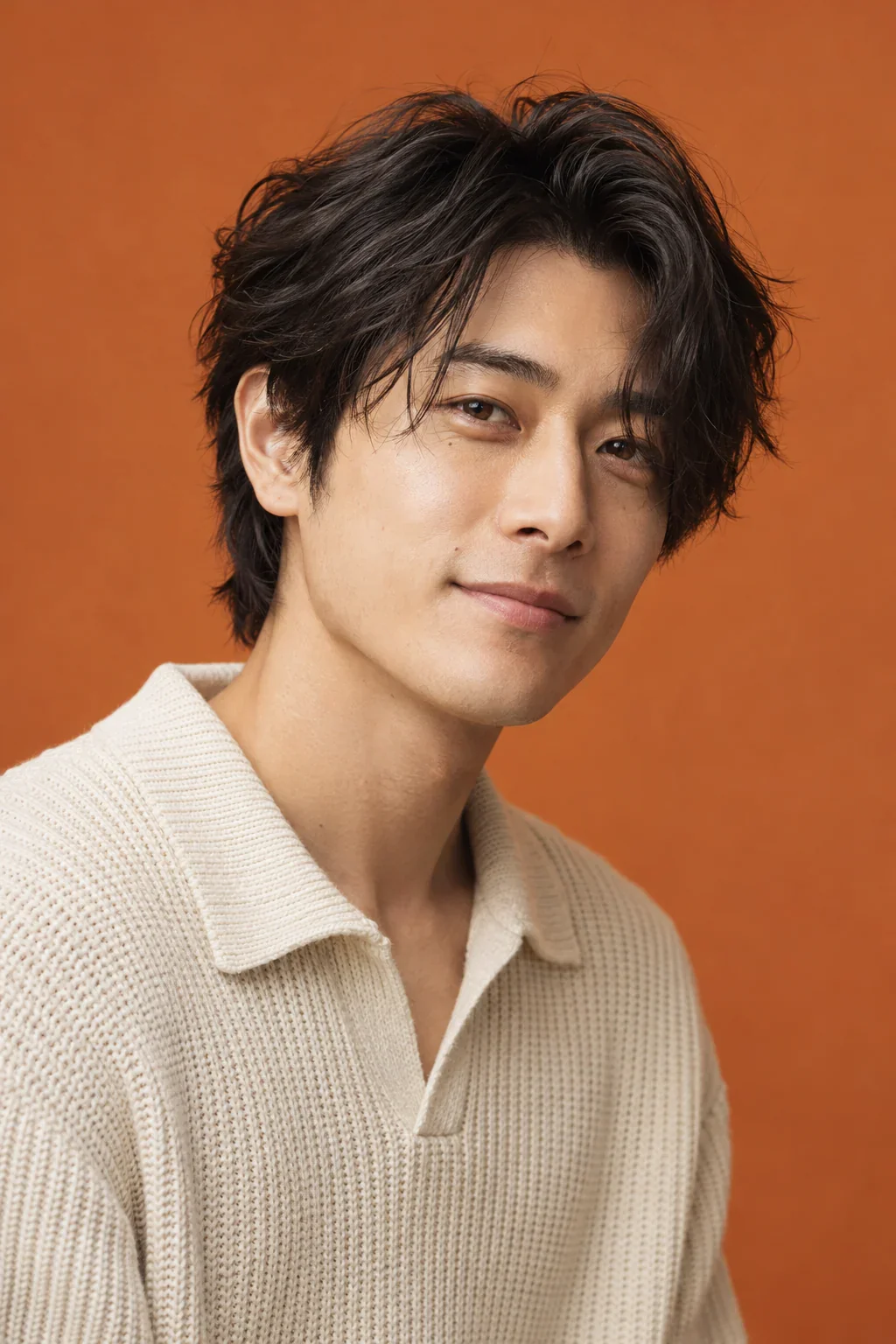
A man with softly tousled dark hair and a cream knit shirt against a rust background.
THE LOOK NOTES

The easy texture

Textured men’s hairstyles like this one keep a softly tousled front and a shape with room for natural movement.

The interest comes from changing directions rather than a sharply fixed outline. It can make a simple outfit feel less formal without needing a dramatic transformation.

Length
Short
Texture reference
Straight / Wavy
Worth considering
Some styling
Open your moodboard

Find the useful detail

The front has room to shift across the forehead, while the sides stay relatively compact. If you like the look, decide whether you are responding to that flexible front, the texture through the top or the relaxed perimeter. Naming one feature makes it easier to adapt the idea to your starting length.

Account for growth direction

A tousled reference can hide considerable styling. Notice where your own hair wants to fall and where it resists a different direction. Ask for a cut that keeps those growth patterns in view. A front that works with your hair can be easier to reset after a hat than one that relies on being held in opposition.

Choose the clothing contrast

Soft texture pairs naturally with knitwear, but it can also take the edge off a structured jacket. Keep the neckline clear enough to see where the hairstyle ends. If the whole outfit is deliberately relaxed, a small controlled detail such as an ear tuck can stop the result feeling accidental.

Build the daily version

Try a version you can adjust with your hands before deciding you need an elaborate product routine. If you use styling products, follow their directions and add gradually. A reference with separated strands does not tell you exactly how much hold or preparation your own hair will need.

Read the finer details.

Everyday styling9 min read

How to Fix Hat Hair

Match the reset to the mark. A part shift can change a flat crown; a side clip can redirect a bent fringe. If the lengths still look good, preserve them. Dry shampoo may address oily-looking roots, but it is not a universal crease remover.

Read the story
Style details9 min read

Different Ways to Style the Same Haircut

Choose three repeatable changes around the front, fastening and accessory. Keep the everyday version simplest. If the polished version needs a completely different texture or unfamiliar tools, scale it back to a clearer part or anchor you can make comfortably.

Read the story
MAKE THE LOOK YOUR OWN

A relaxed top needs a considered outline.

This reference combines movement at the top with a more compact feeling around it. The useful detail is that relationship. You can make it quieter or more expressive by changing the direction of the front and the amount of coverage at the sides.

01 / THE DETAILS

Wear the front forward, swept or lightly lifted.

The flexible top makes this short style adaptable. Compare three front directions before deciding you need a new cut. Start with the direction your hair already takes, then change only the front so you can judge the difference.

  • Forward and separated: let the front fall toward the forehead and separate a few sections with your fingers. Keep the edge comfortable around the eyes; the effect does not require a perfectly even fringe.
  • Swept to the side: guide the front across its usual part and keep the sides quieter. This opens more forehead while preserving movement, and can sit well beside a simple shirt or jacket.
  • Lightly lifted: lift the front away from the forehead without changing every section on top. If it immediately falls back, discuss the length and growth direction before assuming more product is the answer.

Ask your barber which version the current cut supports and what would need changing. Describe how you reset your hair after a hat or headset. The softer everyday version deserves as much attention as a neatly finished salon photograph.

02 / THE DETAILS

Keep the sides in the conversation.

A front portrait can make the top look like the whole haircut. Ask about the area around the ears and the transition into the nape too. You might enjoy the movement in this image but prefer more coverage or a softer outline at the sides.

If you wear facial hair, consider the combined silhouette. Keep a familiar beard shape when making the first haircut comparison so you can tell which change creates the effect you like. Then discuss the connection near the sideburns with a clear reference or plain description.

03 / THE DETAILS

Build a reset for the middle of the day.

Think about what happens after headphones, a hat or a commute. If the relaxed version of the shape still feels good, that gives you a useful everyday base. If you want a more directed finish, ask how to restore it using actions you are happy to repeat.

Avoid treating the word easy as a promise attached to the photograph. Explain your actual routine instead: what you do now, what you could add and what you do not want to maintain. The right adaptation should make sense beyond the first styled moment.

A LITTLE CLARITY

Your questions, considered.

Does this reference mean I need very short sides?

No. The key idea is the contrast between a moving top and a considered outline. You can discuss more side coverage or a softer transition while keeping that relationship.

Can I use the image if my hair has more wave or curl?

Use it to explain the direction and balance you enjoy, then discuss your own texture. A photograph does not establish which technical cut will create the same feeling on different hair.