
Keep your three most-worn tops in the comparison and change only one color variable at a time. If both warm and cool shades appeal, choose the depth first. Your wardrobe can clarify taste; it does not assign a compulsory hair-color category.
Build a three-outfit color comparison
Choose clothes from your regular rotation, not a special outfit you wear once a year. A white or cream top shows one relationship, a navy or black top another, and a frequently worn color adds your personal palette. If you rarely wear those neutrals, substitute the pale and dark pieces you do own. Keep the neckline visible in each comparison.
Start with the hairstyle and color you already have. Notice whether you like a clear boundary between hair and fabric or a quieter transition. Then compare the proposed direction beside all three tops. You are looking for a combination you want to wear, not a verdict about your complexion. Several palettes can work for the same person.
Separate depth from temperature
When comparing hair references, first look at how light or dark the overall result appears. Then consider whether the impression feels warmer, cooler, or relatively neutral. If one reference is both much lighter and much cooler than the other, you cannot easily tell which difference attracts you. Find a closer comparison or label the two decisions separately in your notes.
Hold the references beside a photo of yourself in a familiar outfit. You are not trying to prove a color suits your skin through a screen. You are exploring a relationship you might enjoy. Ask whether you prefer the hair to blend quietly with the outfit or create a stronger boundary. That broad preference can be useful in a salon conversation even when the exact shade in the reference is uncertain or technically unsuitable for your starting hair.
Decide how much contrast you want
Contrast is a design choice, not a requirement for a polished appearance. Some people enjoy a clear distinction between hair and clothing; others like a more continuous palette. Compare both possibilities with the same outfit. A darker hair direction may create a different relationship with a pale top than a lighter direction, while a small accent can introduce contrast without changing the whole head of hair.
Think about how often you want that effect. A dramatic contrast that looks exciting with one special outfit may be less relevant to the clothes you wear most days. That does not make it a poor choice, but it helps you understand the reason for choosing it. If you want versatility, inspect several familiar outfits before deciding. If you want a very specific expressive combination, acknowledge that priority instead of pretending the result must coordinate equally with everything.
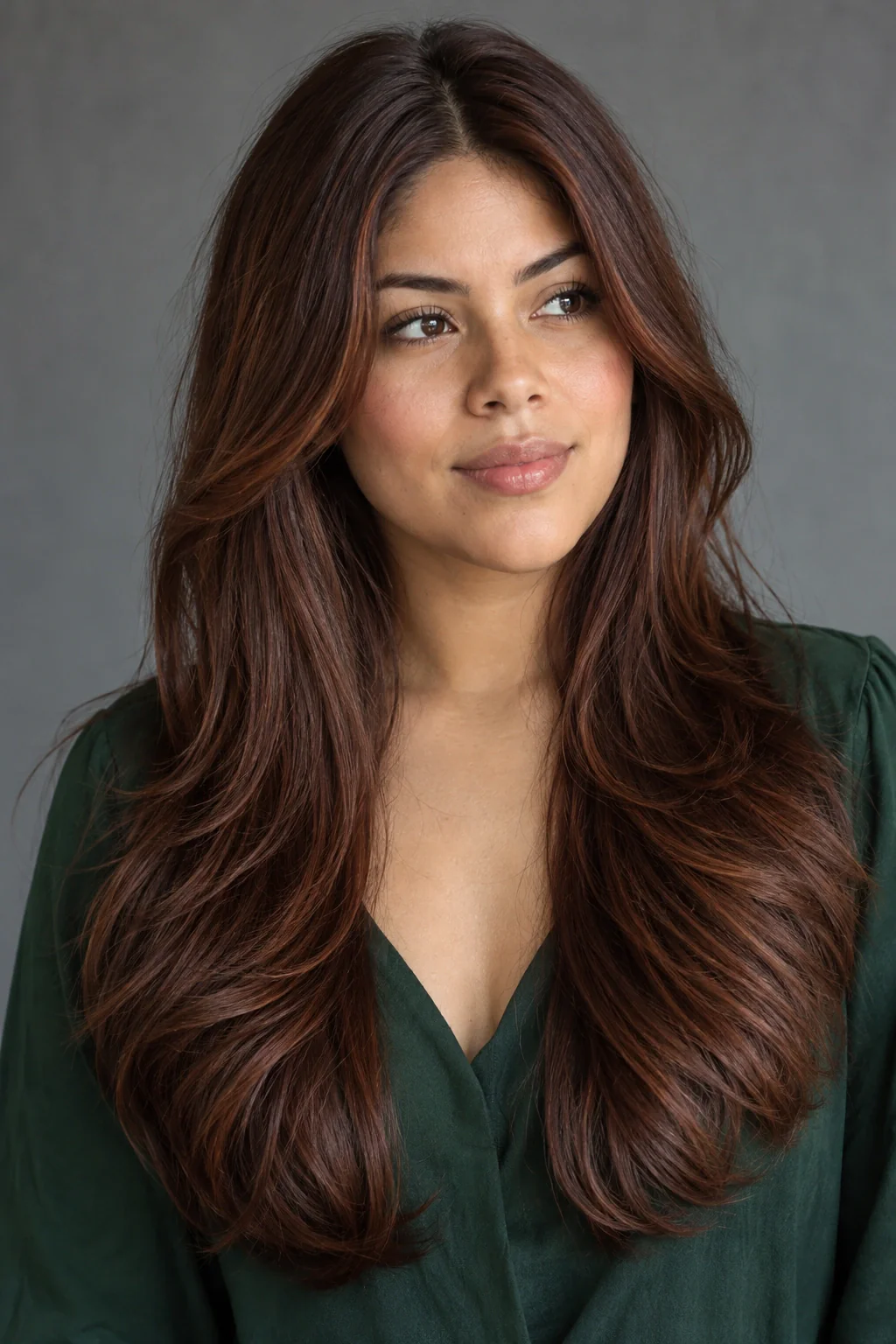
Let accessories provide a low-commitment test
Before changing hair color, try the desired palette near your face with an accessory, scarf, or piece of clothing you already own. This does not simulate dyed hair, but it can help you discover whether you enjoy the general color relationship. A warm scarf beside your current hair may reveal interest in warmth; a cool accessory may show that you like a sharper contrast.
Keep the limits clear. Fabric has a different surface and placement from hair, so the experiment cannot predict a salon result. Use it to refine language, not to select a chemical formula. You might conclude that you want a small warm accent rather than an overall warm shade, or that the interest belongs in your clothes instead of your hair. Either finding can save you from making a permanent decision to solve a temporary styling wish.
Consider your makeup and glasses as context
If you usually wear glasses or makeup, include those familiar details in the comparison. You are looking at your everyday combination, not an isolated hair swatch. A color direction may appeal because it echoes a frame or creates contrast with it. Another may feel more versatile with the makeup you already enjoy. These are personal observations rather than universal rules about what colors belong together.
Do not assume a hair change requires replacing the rest of your routine. Start by trying the new direction against what you already use. If a reference only appeals when paired with several other changes you do not want, reconsider what attracted you to it. You may prefer the overall styling in the image more than the hair color itself. Recognizing that distinction gives you more freedom to choose a smaller change or keep your existing shade.
Translate the palette into a salon brief
Describe the desired relationship in ordinary language: more contrast with your mostly pale wardrobe, a softer transition beside dark clothes, or a warm accent without a large change in overall depth. Bring references with labels explaining which part matters. A colorist can then discuss what is realistic from your current hair and what maintenance different approaches would involve.
Keep your previous color history part of that conversation. A photograph of the desired palette does not tell the professional what has already been applied to your hair or how a new service should be planned. Ask about the expected range of results and how the shade may evolve. The useful decision combines your visual preference with the practical route, rather than treating an attractive clothing-and-hair pairing as a guarantee that the color is simple to achieve.
Write a color brief from the combinations you liked
Turn the comparison into a sentence that includes depth, tone and contrast. For example: “I want to stay brunette, with a warmer impression that still feels dark beside my cream shirts.” Another could be: “I like the lighter direction with navy, but want less contrast near the face.” These sentences tell the colorist more than a collection labeled only caramel or expensive brunette.
Add the clothing context without asking the salon to enforce a wardrobe rule. Bring photographs of the two combinations you liked and explain why: perhaps the hair feels more distinct from a black jacket, or a muted shade lets a bright top remain prominent. If you liked the result only with unfamiliar makeup and clothes in an inspiration picture, separate that styling appeal from the hair-color decision.
Keep your maintenance boundary alongside the visual brief. State how often you are prepared to return, what color history needs discussing, and whether preserving the current depth matters more than matching the photograph. The final choice may shift after the professional assessment. Your outfit comparison has still done its job: it gives that conversation a concrete destination and helps you recognize a proposal that supports the clothes you already enjoy wearing.
Test a color idea against the clothes that do different jobs
Choose three real outfits from different parts of your life: an everyday combination, something you wear for work or study and an occasion outfit. Describe the hair relationship you enjoy in each one, such as a strong dark outline, a warm accent or low contrast near the face. Compare a proposed color direction against those relationships. The exercise is not about requiring every garment to match. It helps you see whether the new direction supports the range you actually wear, including the outfit that rarely appears on your inspiration board.
If the color seems appealing with only one special outfit, decide whether that narrow role matters to you. You may happily choose a direction for its own sake and adapt the wardrobe around it, or prefer a change that feels familiar across more combinations. Write down the tradeoff without treating either preference as the correct one. Bring the color direction and your current hair information to a professional conversation about feasibility, rather than expecting the outfit exercise to answer the technical part of the decision.
Separate a wardrobe gap from a hair-color wish
When a proposed color feels surprisingly appealing, ask what it adds to the outfit: brightness, contrast, warmth or a focal point. Try introducing that quality through an existing scarf, neckline or piece of jewelry. This does not reproduce a hair-color result, but it can reveal whether the desired feeling belongs to the overall outfit rather than the hair alone. You may find that you enjoy the visual relationship while remaining satisfied with your current hair, or that the color idea still feels worth exploring independently.
Record the difference in your notes. A useful conclusion might be that you want more contrast near the face, but have not yet decided whether hair color is the route you prefer. Another might be that the color direction remains appealing across several outfits even when accessories change. These observations produce a clearer consultation brief than a request to find a shade that goes with everything. They also leave room for personal taste to evolve without turning your wardrobe into a rigid color rulebook.
Your questions, considered.
Do I need a warm wardrobe for warm hair color?
No. You can enjoy matching warmth or creating contrast. Use your own clothes to compare the relationships you like, then discuss the color direction with a professional instead of treating a wardrobe palette as a fixed rule.
Should I replace my makeup after changing hair color?
There is no automatic requirement. Try your existing routine first and notice whether you want any adjustments. A hair change can offer new combinations without making familiar products or colors suddenly inappropriate.
Can a scarf show exactly how a hair color will look?
No. It is a rough way to explore a palette near your face. Fabric differs from hair in surface and placement, so use the experiment to describe a preference rather than predict a dyed result.
Sources & what they support
The notes below explain the scope of each source. Hairstyle selections, outfit combinations and comparison exercises are HairSparks’s editorial suggestions; the links do not imply endorsement.
- L’Oréal Professionnel: preparing for a hair consultation ↗Consultation context: bringing pictures, explaining styling habits and discussing maintenance with a professional. It supports the consultation advice, not our aesthetic judgments about individual looks.
HairSparks and Hair Muse share the same publisher. App mentions are promotional. Read our editorial policy.