
Keep one familiar outfit and accessory while you learn the new hairstyle. Change placement first: tuck, part or gather. If the concern is a repeated styling difficulty or a result that differs from the agreed brief, describe it clearly to the salon.
Identify which part of the change feels unfamiliar
Put on something you liked before the appointment and wear the hair in its simplest everyday form. Then identify the mismatch. Is the new length touching a collar differently? Are the earrings more exposed? Does the color create a stronger contrast with your glasses? Naming the relationship gives you a smaller, more actionable problem than deciding your entire style no longer works.
Separate an unfamiliar proportion from a concern about the agreed result. You do not need to persuade yourself to like a haircut you dislike. Check whether the intended length, front shape and color direction are present, then identify what you want help with. The following starting points keep the adjustment tied to a visible issue.
Keep a few familiar anchors
Choose an outfit, accessory, or makeup routine you already enjoy and wear it with the new hair. These familiar elements can give the change a comfortable context. You do not have to select the combination that looks most like the salon's finished photograph. The purpose is to see how the hair fits into your own style, using pieces you chose before the transformation became the main focus.
Notice what still works without adjustment. A favorite pair of glasses may feel more visible, a familiar jacket may show a different amount of hair around the collar, or the same earrings may create a new balance. These are opportunities to observe rather than reasons to replace everything. Keep the combinations you like. If something feels awkward, identify the specific relationship before deciding that an entire part of your wardrobe no longer belongs.
Learn the ordinary version of the hairstyle
The appointment finish may use techniques, time, or tools that differ from your daily routine. Ask for a clear demonstration of the everyday version and practice it when you are not rushing. Focus on the feature that makes the cut feel intentional: the front direction, the outline, or the arrangement of a particular section. You do not need to reproduce every finishing detail to make the hairstyle your own.
If the routine is confusing, take notes about the step that causes difficulty and ask the salon for clarification. “I cannot make this front section sit comfortably after my usual drying routine” is more useful than saying you are bad at styling. The problem may be a small technique, an expectation that needs adjusting, or a feature to revisit professionally. Give the everyday version a fair test before adding several new products or changing the cut again.
Revisit accessories by placement, not replacement
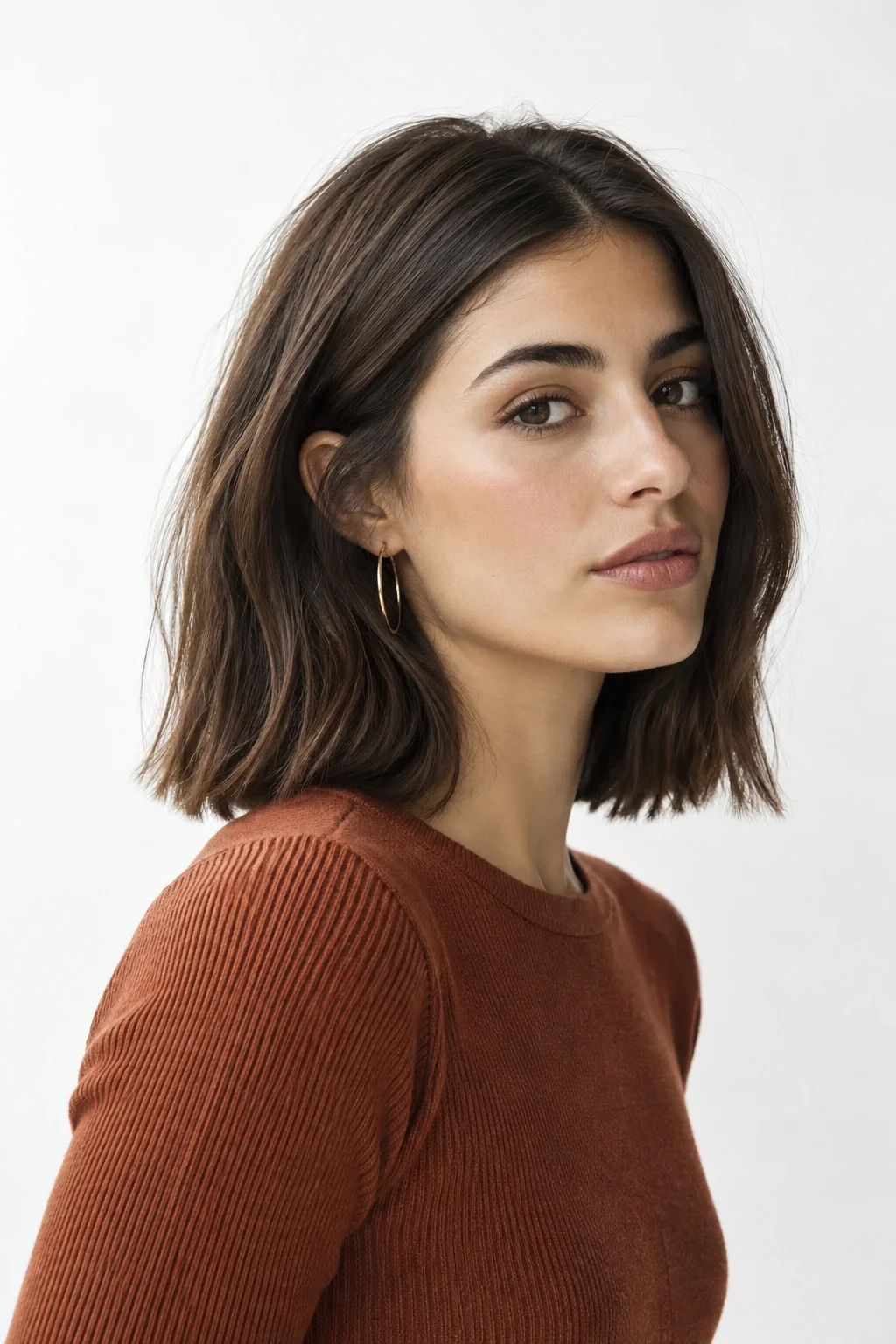
A new length or color may change which accessories you notice first. Try moving a familiar clip, changing which side you tuck, or wearing the hair differently around your glasses. A small placement adjustment can restore the balance you enjoy without requiring new purchases. Start with one item at a time so you can understand what is improving the overall look.
For earrings or necklaces, compare the effect with the hair down and in your usual gathered arrangement. You may like different combinations now, but that is a change in styling options rather than a rule that certain pieces no longer suit you. Keep comfort central. If an accessory interferes with a shorter section or catches during removal, use another arrangement. The aim is to find a workable relationship between familiar objects and the new hairstyle.
Use color as an invitation, not an obligation
If your hair color has changed, try it beside clothes you already wear before deciding you need a different palette. You may enjoy the new contrast with an old favorite. You may also discover a combination you had not considered before. Allow those preferences to emerge through use rather than assuming the change requires a new set of colors, makeup, or accessories.
When something feels disconnected, identify whether the issue is contrast, brightness, or the overall amount of visual activity. You could change a neckline, simplify an accessory, or choose a familiar top in a different color. These are small styling experiments. They let you respond to the hair while keeping ownership of the rest of your look. There is no need to reorganize your entire wardrobe around a single image of how the new color is supposed to be worn.
Keep a short adjustment record
Take a few ordinary photographs over the course of your normal routine and note what you like in each. Include practical observations such as which front arrangement stays comfortable, how the hair sits with a collar, and which fallback style works. Avoid turning the record into constant self-inspection. A handful of specific notes is enough to identify patterns without making every mirror check part of an evaluation.
If a detail repeatedly bothers you, describe it concretely and contact the salon. You might want a clearer explanation of the finish, a discussion of the agreed length, or advice about a color concern. Bring the notes and relevant photographs rather than a broad statement that nothing feels right. A focused conversation makes it easier to distinguish an adjustment that could help from a new change that would introduce more uncertainty before the first one is understood.
Build three repeatable combinations from what you own
Choose an ordinary-day combination, a dressed-up combination and a fallback for a rushed morning. Keep the clothes and most accessories familiar. For a new bob, that might mean loose hair with a T-shirt, one tucked side with evening earrings, and two temple clips with a work shirt. A longer cut could use loose placement, a low ponytail and a small half-up.
Give each combination a short styling sequence. “Set the usual part, tuck the right side, leave the ends loose” is easier to repeat than “make it feel more like me.” For a color change, use the same three outfits first and note which contrast you enjoy. You may discover a new pairing without losing the older ones or buying a different makeup routine.
If one step remains difficult, bring that exact example to the salon. Show where the front falls, where the ends sit or which part of the color feels disconnected. Ask for an adjustment or a clearer demonstration as appropriate. Keep the successful combinations in your notes so the next appointment protects them. The new hairstyle becomes part of your personal style through these repeatable choices, with room for further changes you genuinely want rather than a requirement to adopt the entire styling of the inspiration photograph.
Rebuild one familiar outfit before changing the whole wardrobe
Choose an outfit you liked before the hair change and put it on without replacing its main pieces. Notice what now feels different: the visible neckline, the balance of an earring or the amount of contrast near the face. Adjust one relationship at a time. You might move the hair to reveal the old favorite earrings or change how a collar is worn. This lets you identify the effect of the new hairstyle without assuming that every unfamiliar feeling requires new clothing or a complete shift in personal style.
Photograph the revised outfit and write down the smallest adjustment that made it feel like yours again. If nothing needs changing, record that too. Familiarity can return through wearing the combination, not only through redesigning it. Repeat the exercise with another everyday outfit before drawing conclusions about your whole wardrobe. A new hairstyle may create new options, but your existing preferences remain useful evidence. Keep the elements you still enjoy and let the rest evolve through specific experiments rather than a broad demand to reinvent yourself.
Distinguish adjustment time from a practical mismatch
Keep a short record of what feels unfamiliar and what causes an actual difficulty. Unfamiliar might mean seeing more of your neck in the mirror; a practical difficulty might be a front section that repeatedly interferes with your glasses. These observations call for different responses. The first may become comfortable through ordinary wear or a small outfit adjustment. The second deserves a specific styling solution or a conversation with the professional who helped create the change.
Review the notes after several ordinary occasions and look for patterns. If one issue keeps appearing, describe the action or setting in which it happens rather than saying the whole style feels wrong. Bring a photograph or a brief explanation to a follow-up discussion where appropriate. Also record the parts you enjoy, so any adjustment preserves them. This gives the next decision a balanced foundation: what you want to keep, what needs attention and what simply feels newer than the familiar image you carried of yourself before the change.
Your questions, considered.
Do I need new clothes after a major hair change?
No. Start with the clothes and accessories you already enjoy, then observe which combinations feel good. Small changes in placement or contrast may be enough. Buying a new wardrobe is not a requirement for making the hair feel like you.
How can I tell unfamiliarity from a problem with the haircut?
Return to the agreed brief and describe the specific issue. Is the intended feature present, and does the routine work? If something repeatedly feels wrong or differs from the plan, discuss that detail with the salon rather than relying only on the initial surprise.
What should I save for my next appointment?
Keep a clear ordinary photo, the details you enjoy, and a short note about any practical difficulty. This gives your stylist useful evidence from daily life and helps preserve what works while making a focused adjustment.
Sources & what they support
The notes below explain the scope of each source. Hairstyle selections, outfit combinations and comparison exercises are HairSparks’s editorial suggestions; the links do not imply endorsement.
- L’Oréal Professionnel: preparing for a hair consultation ↗Consultation context: bringing pictures, explaining styling habits and discussing maintenance with a professional. It supports the consultation advice, not our aesthetic judgments about individual looks.
HairSparks and Hair Muse share the same publisher. App mentions are promotional. Read our editorial policy.