
If you like your current depth, compare tone and placement before considering an overall lighter result. Ask for a visible difference in a named area, such as the front or lower lengths, and confirm the process and upkeep before booking.
Four quiet changes, four different effects
Subtle is a description of what you notice, not a salon technique. One person means a slightly warmer brown; another means brighter pieces that appear only when the hair moves. Start by pointing to the area you want to change in a current photograph. Keep the rest of the picture as your baseline, including the overall dark or light impression you already enjoy.
Choose one of the directions below for the first conversation. You can combine ideas later, but naming the primary effect helps prevent a small brief from expanding into a whole-head transformation. These are visual descriptions to discuss with a colorist, not instructions for applying color or promises about the service required.
Explore tone before changing overall depth
If you like how light or dark your hair appears, consider whether the desired change is mainly about tone. Compare references at a similar depth so that warmth or coolness becomes easier to inspect. A warm-looking image and a cooler-looking image may suggest different moods even when neither represents a large change in overall brightness. Treat those impressions as preferences, not universal complexion rules.
Bring several examples rather than relying on one shade name. Words such as beige, chocolate, or ash can refer to different results across photographs and salons. Explain what you see in the images and what you do not want. A professional can assess whether a tonal adjustment is a realistic route from your current hair. The appearance of a modest change does not tell you which products or process would be appropriate, so keep that technical question open.
Consider placement as a design choice
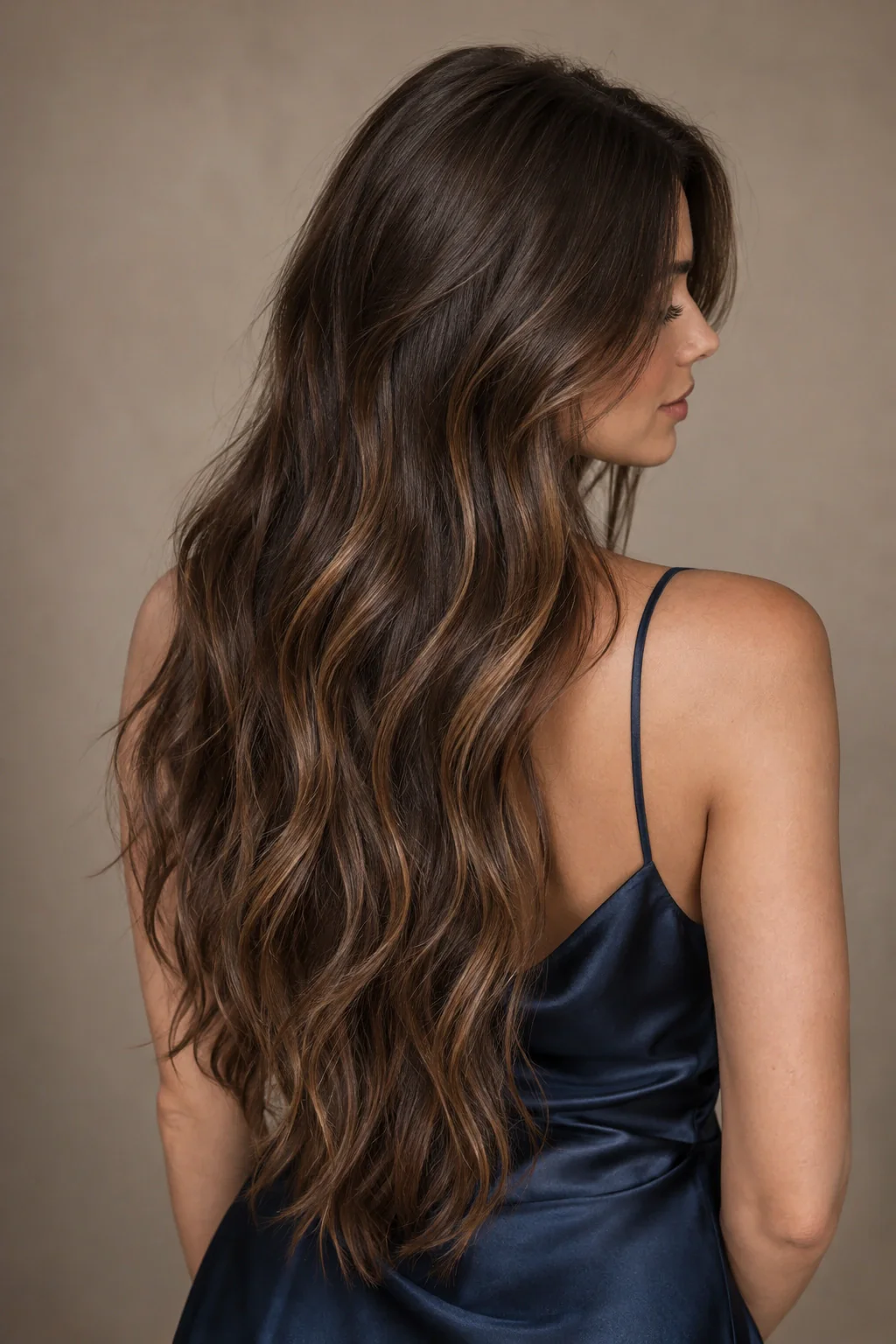
Sometimes the change you want is not a different all-over color but a different distribution of contrast. You may enjoy a little variation near the front, scattered brightness through the lengths, or an interior detail that appears when the hair moves. These are placement ideas to discuss, not instructions to apply color yourself. Their effect depends on where you part and arrange your hair as well as the color difference itself.
Show your colorist how you normally wear the hair, including any frequent gather or side tuck. A placement that is visible in a styled reference may sit somewhere different in your everyday arrangement. Ask which parts of the proposed result you would see most often. This turns a vague wish for subtle dimension into a practical conversation about visibility, rather than choosing a technique name because it sounds like the smallest available service.
Decide what subtle means at different distances
A color detail may be obvious in a close photograph and nearly invisible across a room. Think about the scale at which you want to notice the change. Do you want something mainly for yourself when the hair moves, or a shift that other people are likely to see as part of the overall look? Neither preference is more worthwhile; they simply lead to different design choices.
Inspect references at normal viewing size instead of zooming into every strand. If the effect disappears unless the image is enlarged, ask whether that is enough for your goal. Conversely, if the front contrast dominates the whole photograph, it may be stronger than what you mean by subtle. Use these observations to describe the amount of contrast you want, while remembering that photography and lighting can exaggerate or conceal the visible difference.
Ask about the route from your current color
Tell the colorist about previous color services and relevant home products before discussing a plan. The desired photograph shows the destination, not the starting conditions. Two people seeking a similar visual shift may need different approaches. Ask what can reasonably be expected in one appointment and which parts would remain uncertain until your hair is assessed.
Avoid equating a quiet result with a risk-free process. The AAD notes that coloring and lightening can damage hair, and the appropriate plan depends on the individual situation. You do not need to diagnose your own hair or select a formula in advance. Your job is to communicate the desired change and your boundaries; the professional's role is to assess the route and explain the tradeoffs before you decide whether the service is worth doing.
Understand how you will maintain the impression
Ask what the result is expected to look like between appointments, including the relationship with new growth and any tonal changes you should anticipate. Avoid requesting a universal maintenance schedule from a hairstyle photo. The answer should relate to the specific service and the degree of contrast you choose. You may discover that a slightly different placement better fits the amount of ongoing attention you want to give it.
Discuss home care in concrete terms and follow the relevant product instructions. If you plan to use hair dye, the FDA advises following directions and warnings, including the required testing guidance. Do not assume that a product described as subtle or temporary has no instructions worth reading. Keep the routine simple enough that you can explain it back and identify when you should contact the salon rather than improvising another color change.
Set a visible success criterion before the appointment
Replace “just a little different” with a result you could recognize in a normal mirror. You might want the front to appear slightly brighter while the back still reads brunette, or a warmer impression without changing how dark the hair looks against a pale top. The criterion should describe the finished appearance, leaving the method to the colorist.
Also identify the change you do not want. If a conspicuous front stripe would feel too strong, say so. If you enjoy seeing your natural root color, explain that before discussing a more uniform look. These boundaries are especially helpful when a photograph contains several effects and you admire only one. Point to the relevant section instead of presenting the entire image as the target.
After the service, compare the result under similar conditions to your starting photograph, with the hair in its usual part. Check whether the intended area changed and whether the features you wanted to keep remain present. If you want an adjustment, name the location and the direction: less contrast at the front, a quieter lower section, or a different tonal impression. That is a clearer follow-up than requesting another small change without explaining what the first one left unresolved.
Define the smallest visible difference that would satisfy you
Imagine showing the result to someone who sees you regularly. What would you want them to notice: a slightly different overall impression, more visible separation in a familiar hairstyle or a brighter detail when you move? Write the desired observation in plain language. Subtle is too broad to function as the whole brief because it can refer to color contrast, placement, viewing distance or the amount of hair involved. Naming the observation helps you explain what should change while leaving the exact method open for a professional discussion.
Choose two references that illustrate different levels of that observation and label the feature in each. Avoid ranking them solely by how attractive the photograph is. Ask which one shows the amount of change you would actually enjoy, and which parts of the image could be influencing the judgment. Keep your current hair photograph beside them. The exercise is a way to clarify preference, not to infer what process or maintenance the result would require from your own starting point.
Write a satisfaction test before agreeing to the change
Create three sentences beginning with I would be pleased if, I would find it too much if, and I still need to understand. For example, you might want a small accent visible in your usual part, find a strong overall contrast beyond your brief and need to understand the upkeep. These statements give the consultation a useful range. They are more precise than asking for something barely noticeable while also expecting a dramatic emotional change from the same service.
After discussing the proposal, check whether the agreed plan answers each sentence. Ask the professional to explain any gap between your visual preference and what they consider suitable for your current hair. If the gap is large, keep the decision open rather than treating a minor-sounding color name as reassurance. Save the agreed reference and description so you can evaluate the result against the original intention later. The test should measure whether the chosen change meets your brief, not whether every person notices or comments on it.
Your questions, considered.
Does subtle color always mean less maintenance?
No. A quiet-looking result can still require ongoing appointments or specific care. Ask about the actual service, starting color, and desired contrast rather than using the word subtle as a promise about effort or upkeep.
Can I add dimension without becoming much lighter?
That is a useful goal to discuss with a colorist. Show the amount and placement of contrast you like and explain that you want to preserve the overall depth. The appropriate route depends on your current hair and color history.
How do I explain a small change without a shade name?
Describe what you want to keep and what you want to adjust, such as the same overall depth with a warmer impression or more visible variation through the lengths. Add labeled references to clarify the degree of difference.
Sources & what they support
The notes below explain the scope of each source. Hairstyle selections, outfit combinations and comparison exercises are HairSparks’s editorial suggestions; the links do not imply endorsement.
- American Academy of Dermatology: coloring and perming tips ↗Care background on coloring, lightening and chemical services. Used to explain why a visual preference still needs a separate discussion about real hair and its condition.
- FDA: hair dye safety questions ↗Consumer guidance on following hair-dye directions and warnings.
- L’Oréal Professionnel: preparing for a hair consultation ↗Consultation context: bringing pictures, explaining styling habits and discussing maintenance with a professional. It supports the consultation advice, not our aesthetic judgments about individual looks.
HairSparks and Hair Muse share the same publisher. App mentions are promotional. Read our editorial policy.