Picture the whole day
Choose what should feel different when you change clothes. If your outfit is already expressive, a quiet hairstyle can give it room. If the clothing is simple, more volume or an off-center shape can become the focal point.
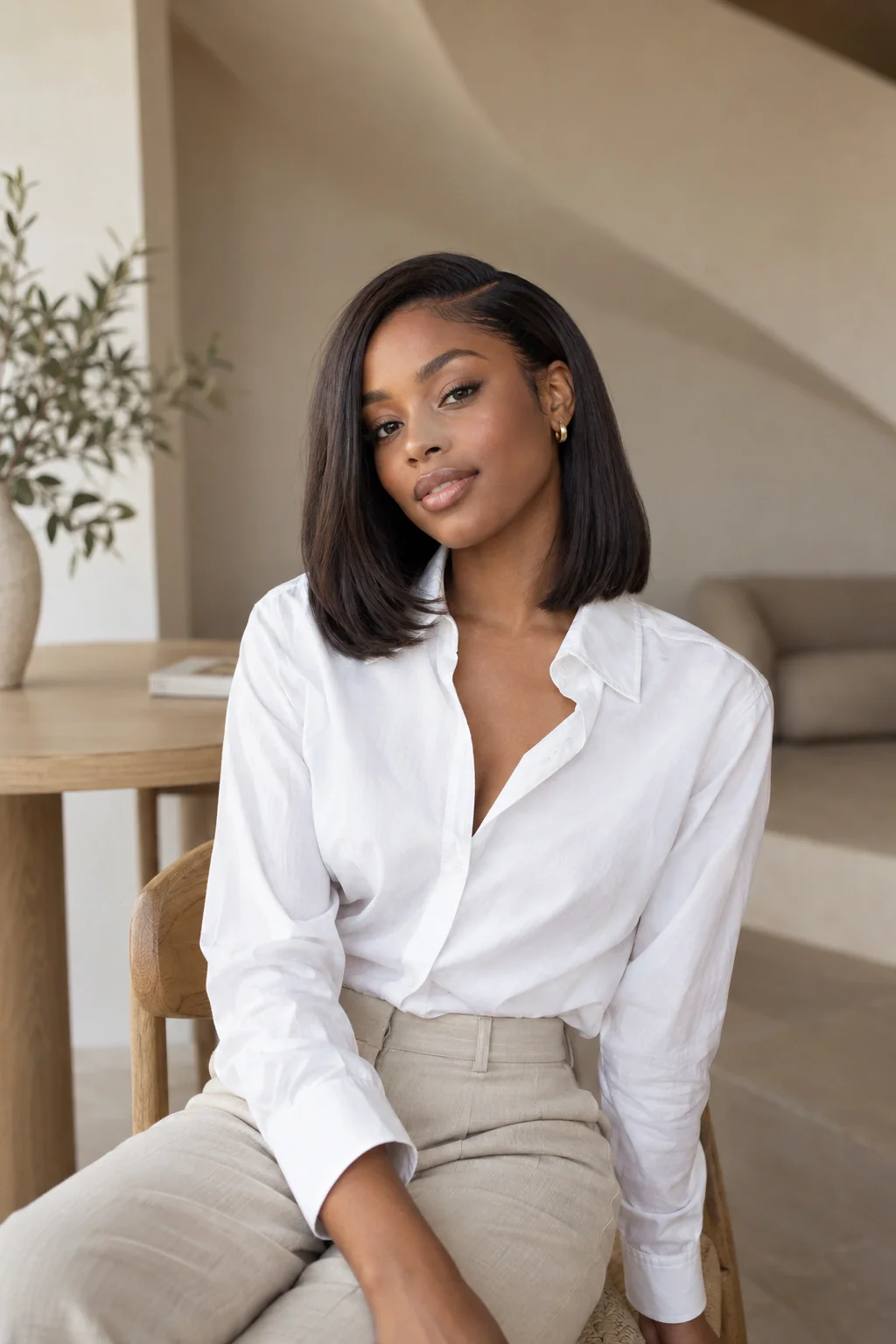
Evening hairstyles can start with a side-swept bob, loose curls, a dressy ponytail or a half-up detail that shows your earrings.
A different part, an exposed earring or a more deliberate gathering point may be enough.
Find your starting point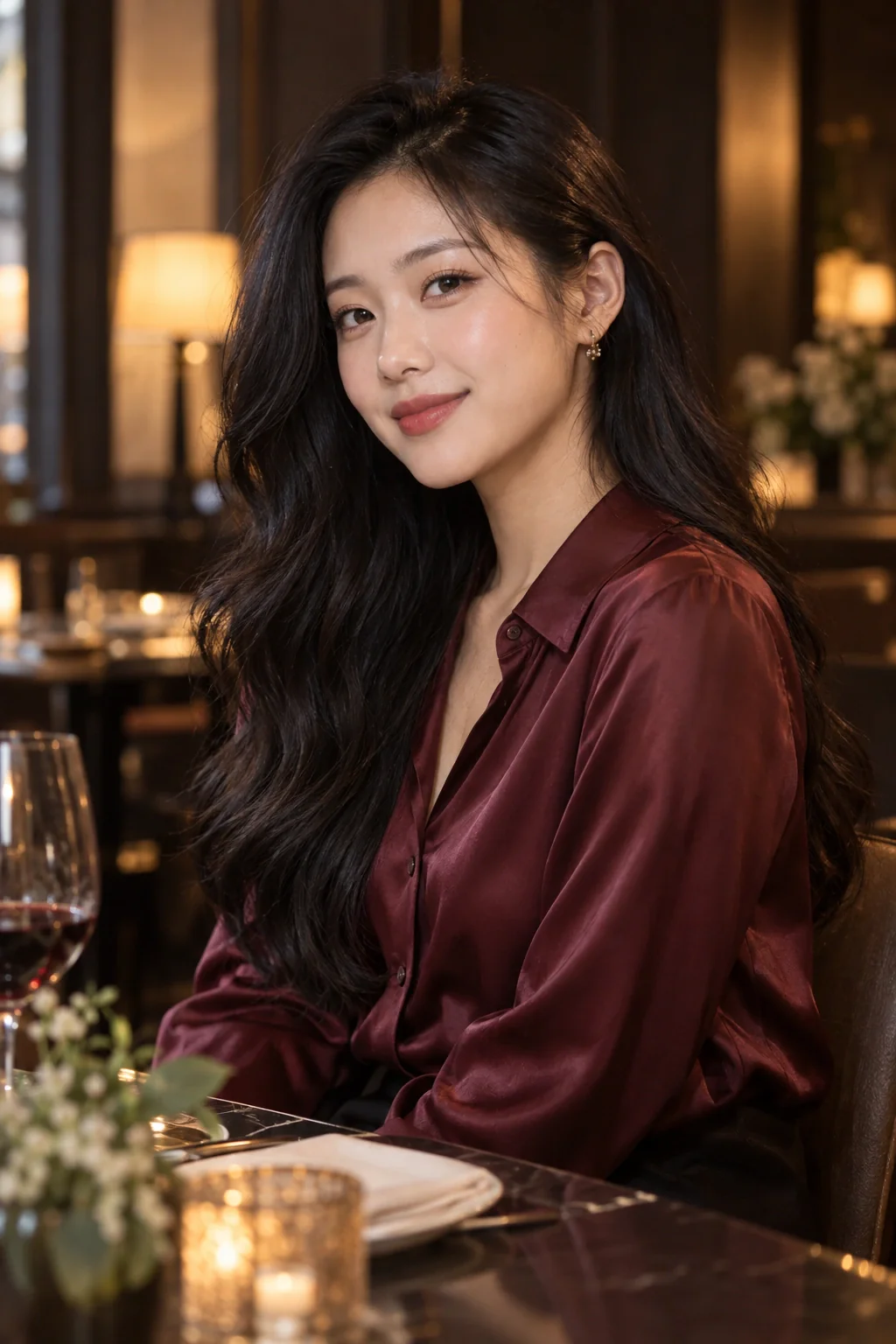
Choose what should feel different when you change clothes. If your outfit is already expressive, a quiet hairstyle can give it room. If the clothing is simple, more volume or an off-center shape can become the focal point.
Try the transition before the event. Hair that has spent a day under headphones or against a collar may respond differently from freshly styled hair. Test the reset with realistic time and light, and keep a backup attachment that is easy to place.
If you plan to dance, check the style in motion. Turn your head, look down and lift your arms. Notice earrings, loose pins and hair that crosses your face. Comfort belongs in the plan from the start.
Choose a side tuck for one visible earring, a half-up style for an open front with loose length, or a low ponytail for a matching pair. If a drop catches repeatedly, move the hair beside its fastening before changing the entire style.
Read the storyFor an easy evening change, keep your normal texture and open one side with a tuck or barrette. Choose a half-up style if the front keeps falling forward; keep everything loose when the neckline and jewelry leave the lengths room to move.
Read the storyChoose half-up hair when you want loose length but a clear front, a low ponytail when you prefer the neckline open, or a tucked bob for shorter hair. Test the choice sitting down; the section that stays put standing may move when you lean forward.
Read the storyChoose a braid or ponytail when you want the length contained, and half-up hair when you want movement with a clear front. If a style feels secure only when pulled tighter, change its section size or fastening. Bring the tie for a practiced second version.
Read the storyChoose the final shape first, then fix the front and secure it. If the lengths still have movement you like, leave them alone. Use a root product only when it addresses the root issue; a different clip may be the entire refresh.
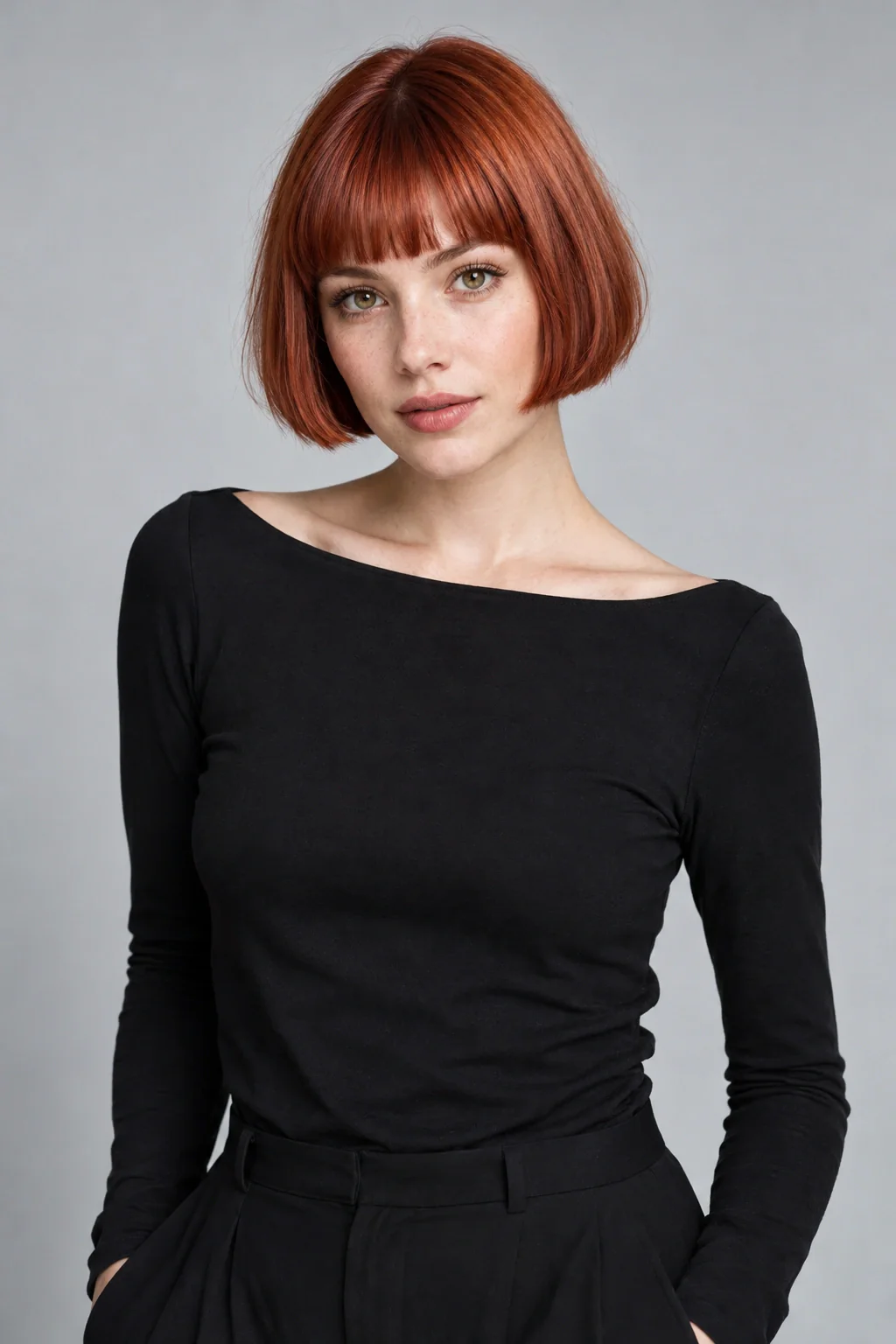
Read the storyUse a lightweight clip only where enough hair supports it. If the crop is too short for a secure fastening, choose a comfortable headband or earrings. A clear haircut shape with one well-placed accessory is a complete evening look.
Read the storyBegin with one open ear and move the smallest curl group overlapping the jewelry. If you want both earrings visible, use separate local anchors or a small half-up. Check the earring closure and nearby hair together before relying on the pairing for a long event.
Read the storyKeep the front clear enough to look down and up comfortably. Use a tuck or temple twist for loose hair, or keep a familiar ponytail and change its visible detail. Test the coat, glasses and bag before leaving for the gallery.
Read the storyAn evening can begin straight after work or after a leisurely hour of preparation. That difference matters more than the hairstyle name. Decide how you want to feel when you arrive, what the clothes already contribute and how much time you truly have to make the transition. A small, clear change can give the night its own identity without requiring every part of the hair to be remade.
A close dinner table puts the front sections, earrings and neckline in constant interaction. A standing reception may show more of the whole silhouette. A night with dancing asks you to think about movement and the moment you want the neck clear. Choose the dominant setting, then test the relevant actions. A hairstyle that feels comfortable while looking straight into a mirror may behave differently while talking across a table or turning toward someone beside you.
Use the venue as practical context rather than a rule about who you must become. You can bring relaxed texture to a formal room or a sharper shape to a casual outfit if you enjoy the contrast. Decide which element leads. If the clothes are already full of color or detail, a simple hair arrangement may let you appreciate them more. If the outfit is quiet, the hair can carry the expressive part through volume, direction or one well-placed accessory.
Choose the version you can achieve where you will actually get ready. A workplace bathroom and your own dressing space offer different tools, privacy and time. For a short interval, change one structural detail: move the part, regather the lengths or expose an ear. Save a more involved restyle for an evening with room for it. The planned result should match the preparation window, so the transition feels deliberate rather than rushed.
Rehearse the reset after a normal day, because that is the hair you will be working with. Notice what the morning gathering, outerwear or headphones have changed. Build the evening shape from that starting point instead of expecting it to behave like freshly prepared hair. Pack the familiar item the reset needs and keep it separate from the bottom of your bag. A clear sequence is more useful than a collection of possible products you have never tried together.
Decide what you would change if the evening becomes warmer, longer or more active than expected. Perhaps you will keep the front and gather the lengths, or remove a decorative piece while leaving the supporting arrangement in place. Practice that change once. The backup should be easier than the original style and achievable with the items you can comfortably carry. It should also remain a look you enjoy, rather than a last resort you already dislike.
Think about the journey home when selecting the fastening. A bulky arrangement may sit differently against a seat or coat than it did while standing at the venue. You can make a simple adjustment before leaving if that is part of the plan. Once the essential details work, let some movement belong to the night. An evening hairstyle can soften and still feel finished when the outline, accessory relationship or clear front you cared about remains intact.
No. Loose hair, a partial gathering or a short cut with a deliberate front can all belong to an evening look. Start with the outfit and setting, then decide which detail should feel different from the day. Formality can come from the whole combination.
Choose the one action that changes the impression most on your hair: a clearer ear, a new part or a different gathering point. Try it after an ordinary workday first. The easiest option is the one you can reproduce in the space and time available.