0
Download on the App Store
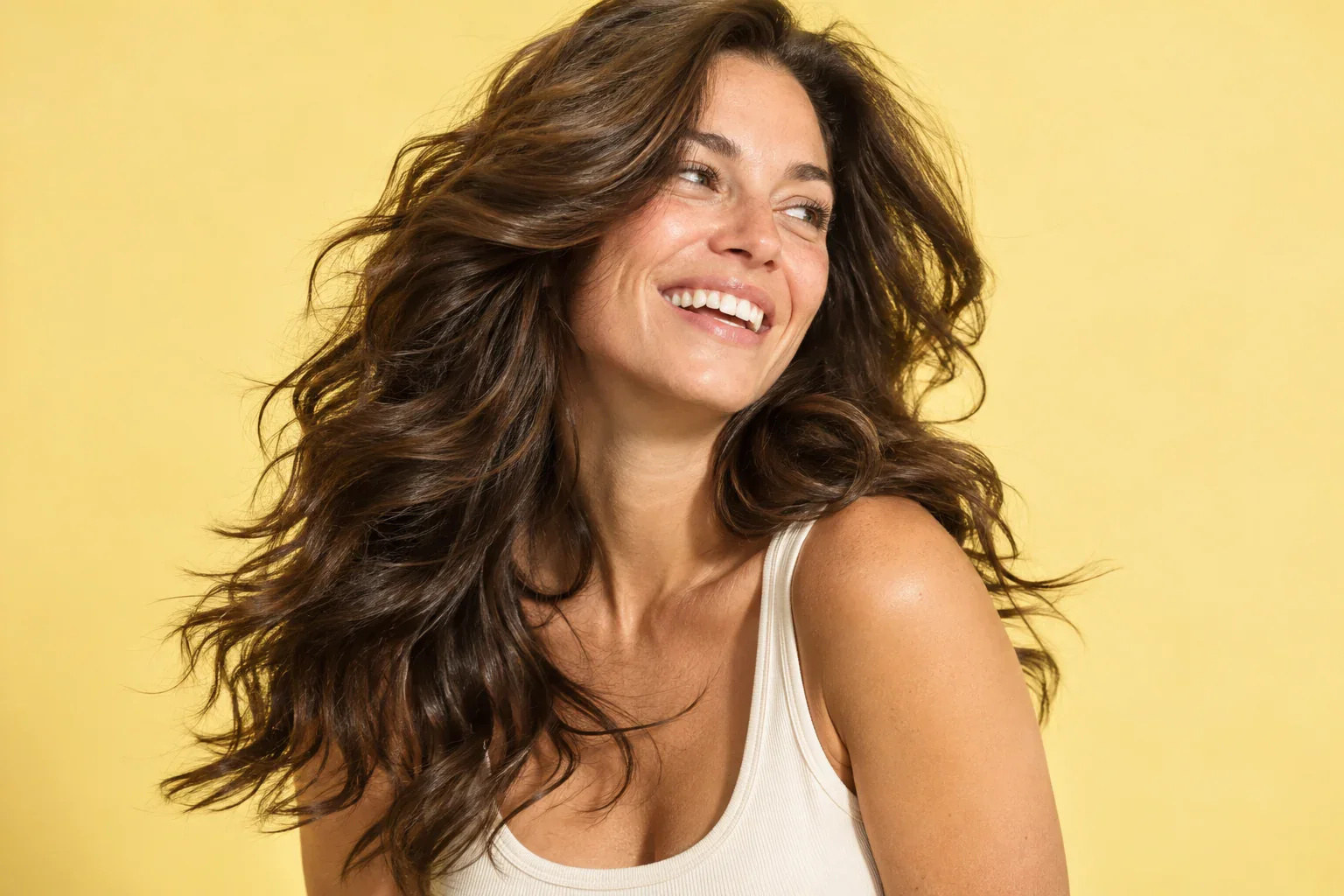
A smiling woman with long brunette waves against a warm yellow background.
THE LOOK NOTES

The soft volume

Long wavy hairstyles like this one use loose movement and soft face framing instead of one heavy panel of hair.

The hair opens around the face, expands through the lengths and keeps a soft edge rather than falling as one heavy panel. Save it if you like the feeling of volume but want to keep the finish touchable.

Length
Long
Texture reference
Wavy
Worth considering
Some styling
Open your moodboard

What to borrow

Notice how the shape becomes wider around the cheek and shoulder area rather than standing high at the crown. That distinction is useful when talking about volume: you may want movement through the lengths without additional height at the roots. The reference also leaves some irregularity between waves, which keeps the finish relaxed.

Make it yours

Start with your own part and the natural direction of the front. If your hair is straighter, you might borrow just the open face framing rather than recreating every wave. For curlier hair, keep the natural pattern and explore how the outline can remain spacious. The photo is a direction, not a requirement to change texture.

The wardrobe connection

An uncomplicated neckline gives the hair room to be the main texture. With a high collar, try moving one side behind the shoulder and see whether the overall outline becomes clearer. Large earrings may need a deliberate tuck so they remain visible instead of tangling in the front.

Before making a cut decision

A voluminous finish can make layers appear more dramatic than they are. Ask which elements come from the cut and which come from styling. Discuss how the same shape might look on a day when you let your hair settle naturally. Keep a photograph of your ordinary hair beside this reference.

Read the finer details.

Everyday styling9 min read

How to Add Volume to Hair

Choose one area for lift and check it in profile. Start with placement or a small gathered section before adding products. If the top already looks full but the sides feel wide, adjust the sides instead of building still more height.

Read the story
Everyday styling9 min read

Long Hair Styling Ideas

Start by moving some length behind one shoulder. If it keeps falling forward, add a small temple anchor or half-up. Keep the front pieces you enjoy, and discuss a cut only if the placement you prefer takes more work than you want.

Read the story
MAKE THE LOOK YOUR OWN

Softness, without losing your direction.

The attraction of this look is the relationship between a full outline and relaxed movement. You can borrow that relationship without deciding that every strand needs the same bend. Consider where the volume sits, what the front does and how the hair rests against your clothes.

01 / THE DETAILS

Choose loose lengths, half-up volume or one open side.

The long, airy outline is the feature to keep in this look. You can wear it three ways without making every wave identical. Start in your usual part, then decide how much hair should stay in front of the shoulders.

  • Loose lengths: leave the shape full through the sides and move only the front away from your eyes. This keeps the hair as the main texture beside a plain neckline.
  • Half-up version: gather two small upper sections behind the head and leave the lower lengths loose. Use this when you want the face clearer without losing the generous outline at the shoulders.
  • One open side: tuck or pin the side beside an earring and leave the other side fuller. Check the fastening from the side so it supports the section without becoming the main visual detail.

If your hair is naturally straighter, borrow the open front first. If it is curlier, preserve the curl groups and compare where the outside shape is fullest. The picture does not tell you which part of its volume comes from the cut.

02 / THE DETAILS

Test the shoulder space.

Put on a familiar jacket or shirt and notice where the loose lengths meet it. A structured shoulder can give soft hair a useful contrast, but a high collar may change the way the ends sit. Tuck one side, move the front and compare the whole area from the head to the chest.

For an evening version, decide whether the hair or the accessory should lead. If you wear long earrings, exposing one ear may keep the combination readable without reducing the fullness you enjoy. A small adjustment can preserve the mood while making the outfit feel more deliberate.

03 / THE DETAILS

Keep a relaxed version in the plan.

Imagine the same outline without the styled bends. If it still appeals, you have a useful haircut question. If the finish is doing most of the work, treat the image as a styling reference and discuss the time and technique involved separately. There is nothing wrong with keeping a look for occasions.

Make a simple note after trying a loose approximation: where the hair felt comfortable, which pieces needed moving and whether you liked the effect after an hour. Those observations help turn a flattering still image into a direction you can actually use.

A LITTLE CLARITY

Your questions, considered.

Do I need long layers to borrow this mood?

The mood comes from fullness, movement and framing. A stylist can help explain which of those qualities depends on the cut and which can be created through styling on your current shape. Do not infer a cutting technique from the photograph alone.

How can I make the look quieter for everyday wear?

Keep the part of the silhouette you enjoy and reduce extra details. You might use less deliberate movement, tuck one side or keep accessories simple. Test a version that works with the clothes and time you actually have.