
Choose the edge first, then the texture inside it. A blunt bob can retain waves, and a rounded crop can have a precise fringe. If you like both moods, decide which feature should be crisp and which should remain flexible before discussing the cut.
Compare four combinations of edge and texture
Cover the middle of a hairstyle picture with your hand and inspect its outside edge. A horizontal bob line creates a different impression from a rounded crop or a tapered end. Now uncover the picture and look at the movement inside that boundary. The outline and the surface can point in different directions.
Use the combinations below to make the distinction concrete. These are visual descriptions, not cutting instructions or rules about what suits a face. A stylist can explain how much of the picture comes from the cut and how much comes from the finish. That matters when you want to keep your usual wave, curl, or drying routine.
Separate edge from texture
An edge is the boundary of the hairstyle; texture describes what happens within it. These can tell different stories. A compact, clearly outlined curly crop can feel precise while keeping its curls visible. Long, straight hair can feel soft when the perimeter is loose and the front sections drift rather than form a rigid line. You do not need to remove your natural texture to introduce structure.
Try describing both elements independently. Say “defined outline, visible waves” or “smooth surface, flexible ends.” This gives you more combinations than choosing between perfectly sleek hair and completely undone hair. In a consultation, ask which part of the result comes from the cut and which part depends on styling. If the crispness in your reference requires a finish you rarely create, you may prefer to keep the shape and choose a different surface.
Decide where the eye should pause
A strong fringe, a deep part, an exposed ear, or a distinct perimeter can each become the first detail someone notices. Pick the one that interests you most. A hairstyle with several equally emphatic details may be exactly what you want, but it is harder to evaluate when you are still discovering your preference. Starting with one clear feature makes the comparison easier.
For a practical experiment, wear your current hair as usual, then tuck one side behind your ear or change the direction of the front section. Look at the whole outfit rather than only a close selfie. Does that small interruption make the hair feel more intentional? Does it introduce enough sharpness that you no longer want a dramatic cut? Note the change you actually liked. You may be looking for a styling detail rather than a new silhouette.
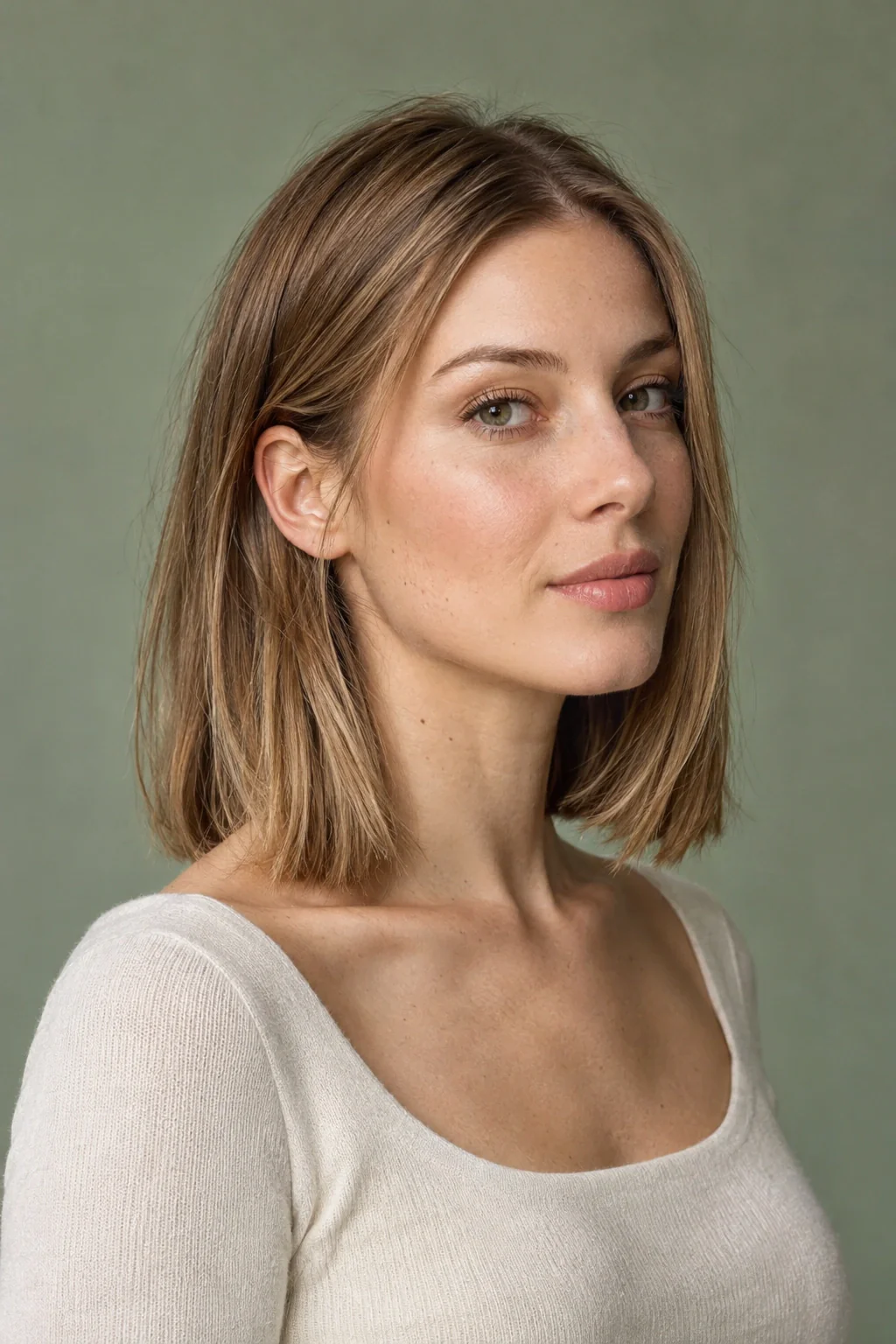
Use clothes as context, not a matching requirement
Try the same hair idea with two outfits you wear frequently. A soft outline beside a structured jacket can create a contrast you enjoy. A precise perimeter with a loose knit can feel equally coherent. You do not need to repeat the clothing's lines in the hair. Instead, ask whether the combination feels balanced to you and whether either element distracts from what you want to emphasize.
Include your everyday glasses, usual earrings, and actual neckline. An inspiration picture may hide the parts of daily dressing that matter most to your choice. If you like a sharp fringe only with a very specific outfit, keep it as an occasional styling reference before making it your everyday plan. If the same detail feels satisfying across several ordinary outfits, that is a stronger reason to discuss it as part of your next cut.
Write the mixed-mood brief without conflicting instructions
Start with the feature that matters most. “I want a clear bob line” gives the stylist a different priority from “I want the waves to move freely around my face.” You can want both, but the order helps when achieving one exactly would change the other. Keep the priority visible beside your images.
Build the rest of the brief in three sentences. Name the outline, name the finish you want to wear most days, then state the function you need. For example: “I like a shoulder-length line with a clear bottom edge. I want to keep my loose waves. The front still needs to tuck behind my ears.” This is much more specific than asking for a look that is both soft and sharp.
Use a second example only for the contrasting detail. You might show a rounded crop for the overall shape and another picture for a precise fringe. Say explicitly that the second image is about the fringe alone. Ask where the shortest pieces would sit and which feature needs regular styling. If the required routine is more work than you want, keep the main shape and soften the secondary detail. The finished proposal should fit one coherent brief, not two complete haircuts layered together.
Test the less permanent part first
If the appeal is in the finish, start with styling experiments you already know how to do. A different part, a looser arrangement, or a simple accessory may shift the impression enough to answer your question. Photograph each version in a similar position. Avoid changing the outfit, makeup, camera angle, and hair simultaneously; too many differences make it difficult to identify what you actually prefer.
For a possible cut, a visual preview can help you discuss the broad outline. Pair the image with notes about your natural movement and what you are willing to style. Keep heat use moderate rather than repeatedly restyling for a comparison; the American Academy of Dermatology cautions that excessive heat can damage hair. A useful experiment should make the decision clearer without becoming an exhausting project.
Take a specific comparison to the appointment
Bring one reference for the overall shape and a second for the detail you want to borrow. Explain what you do not mean as well: perhaps the outline is appealing, but the very flat finish is not. Ask the stylist to show where the shortest pieces would sit and which areas would need regular attention. These questions turn soft and sharp from abstract adjectives into an understandable proposal.
Before agreeing to the cut, repeat the plan in your own words. “We are keeping the rounded sides and adding definition around the bottom, while leaving the front long enough to tuck.” If that sentence differs from what the stylist understood, it is easier to resolve before the haircut begins. Take a short note about the suggested everyday finish so you can recreate the intended balance without having to remember an entire demonstration later.
Sketch the contrast before choosing a haircut reference
Draw a rough outline of your current hair on paper, using a simple curve or block shape rather than trying to make a portrait. Mark the areas you would like to feel more defined, then mark the areas where you want movement. Perhaps the bottom edge interests you as a crisp line, while the front should remain flexible. This sketch separates two design decisions that a polished photograph often combines. You can change one without automatically adopting everything else in the reference image.
Next, place a familiar outfit beside the sketch. A structured shirt might already supply the definition you want in the overall look, allowing the hair to stay softer. Alternatively, you may enjoy repeating the clean lines in both places. Write down which relationship appeals to you and why. The exercise is deliberately simple: it turns an abstract preference into a map of specific areas, which you can compare with photographs or discuss with a stylist without requiring professional drawing skills or haircut terminology.
Resolve a reference that feels both appealing and wrong
Take an image you like overall but would hesitate to copy. Cover the top, sides and lower edge in turn, using your hand or a simple crop. Notice which visible detail continues to attract you. You might discover that the appealing part is a rounded side shape, while the blunt fringe is the feature that makes the whole style feel unfamiliar. Name those separately. This gives you permission to borrow the useful detail without accepting the photograph as an indivisible package.
Build a revised brief with two affirmative instructions: preserve the rounded side movement and explore a clearer lower outline, for example. Add one practical question about how those choices would behave in your usual routine. When reviewing a possible result, return to these instructions instead of asking whether the entire hairstyle is soft or sharp. The more useful judgment is whether each area is doing the job you assigned it, and whether the combination expresses the contrast you wanted to wear.
Your questions, considered.
Can curly hair have a sharp look?
Yes. A clear silhouette, deliberate part, or defined arrangement can create a graphic impression while retaining curls. Use references with a texture close to yours and discuss the outline separately from the surface finish.
Does a softer hairstyle always need layers?
No. Softness can come from movement, a rounded shape, a loose arrangement, or the way the front sits. Ask which features of your reference depend on the cut and which come from styling.
What if I like both moods equally?
Give each a job. Choose which mood describes the overall shape and which supplies an accent. A short written brief is more useful than forcing yourself into one aesthetic category.
Sources & what they support
The notes below explain the scope of each source. Hairstyle selections, outfit combinations and comparison exercises are HairSparks’s editorial suggestions; the links do not imply endorsement.
- American Academy of Dermatology: hair styling without damage ↗Hair-care background on heat and handling. The outfit choices, styling sequences and visual comparisons here are editorial suggestions, not findings from a clinical test.
- L’Oréal Professionnel: preparing for a hair consultation ↗Consultation context: bringing pictures, explaining styling habits and discussing maintenance with a professional. It supports the consultation advice, not our aesthetic judgments about individual looks.
HairSparks and Hair Muse share the same publisher. App mentions are promotional. Read our editorial policy.