
Choose one stable feature—part, perimeter, or gathering position—and leave movement elsewhere. If the hairstyle looks right only while you hold still, simplify the front or fastening. Ask for a cut whose ordinary finish supports the same idea as the styled version.
Choose a feature that keeps the look composed
Inspect a hairstyle you like and identify what makes it read as finished. It may be a bob’s edge, a ponytail’s placement, or an opening beside an ear. That feature can stay consistent while the texture changes. Give it priority before spending time on every small surface variation.
The options below keep shape and surface separate. A defined curl outline can look deliberate without every curl matching, and straight lengths can move without losing a clear part. Pick the feature you can create with your familiar routine. Then check whether it remains visible when you turn and look down.
Separate shape from surface
A hairstyle can have a composed overall shape while the surface shows waves, curls, or individual strands. Conversely, a very smooth surface can still sit in a shape you do not enjoy. Evaluate these features independently when choosing references. Cover the center of a photograph with your hand and look at the perimeter; then inspect the internal movement. Which part is doing the work for you?
Bring that distinction into a consultation. You could ask for a clear shoulder-length outline while preserving your usual wave, or a compact shape that does not require every curl to match. A professional can explain which parts of the result come from cutting and which depend on arranging or finishing. Without that conversation, it is easy to choose a photograph for its silhouette and discover that you were also assuming a daily styling routine you never intended.
Use a one-feature test to find what changes the finish
Wear your usual hair and take a simple upper-body photograph. Now change only one feature: straighten the line of your part, open a temple section, or move a low ponytail slightly away from the collar. Take another picture from the same distance. If the second version feels more complete, you have identified where styling attention earns its place.
If the difference is negligible, return to the original version and test another feature. Avoid accumulating adjustments until you no longer know which helped. A new part, a smoother surface, and several extra clips may produce a different picture, but they do not reveal which step you would want to repeat on a busy morning.
Once a feature works, wear it through the tasks that normally disturb your hair: putting on glasses, using a headset, or moving in and out of a coat. If it keeps needing repair, change its construction. A flatter clip may work better than a loose tuck, while a slightly higher gathering may clear the collar. Preserve the visual idea and improve its placement. That gives you a repeatable form of polish, with less pressure to control every bend or strand throughout the rest of the day.
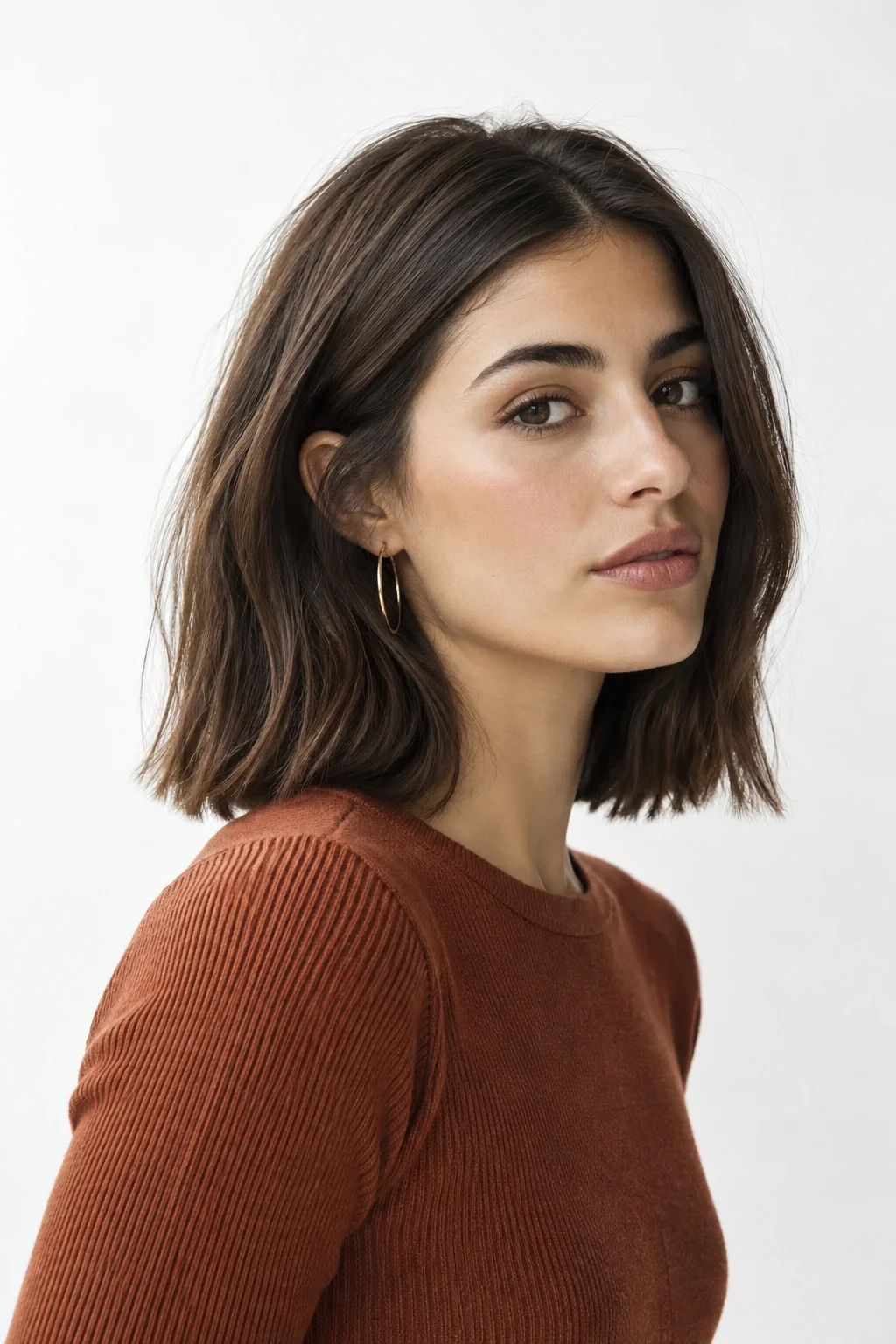
Check the style in motion
Take a short video while turning your head and looking down, or simply watch the hairstyle in a mirror as you move naturally. Notice whether the front returns to a comfortable place and whether the ends sit where you expect. A still photograph can hide a shape that only works when you hold your head at a particular angle. Movement gives you another kind of information.
Then test the ordinary interruptions of your day. Put on your glasses, use headphones if you normally do, and try the collar or coat you are likely to wear. If the hairstyle needs constant rebuilding after these small actions, simplify the arrangement. You may need a different front placement, a softer expectation for the ends, or a fallback gather. Polish should remain understandable in the conditions where you actually live, not only immediately after the last styling step.
Keep the routine proportional to the result
List the steps in your usual styling session and ask what each contributes. Some may be essential to the shape you like; others may be habits you continue without noticing a meaningful benefit. Change one step at a time so you can judge the difference. This is an observation exercise, not a recommendation to abandon products or methods that work well for you.
If your desired finish requires repeated heat styling, discuss alternatives with your stylist. The AAD cautions that excessive heat can damage hair, so more passes are not a useful default response to every loose piece. You might prefer a cut that supports your existing movement or an arrangement that puts less emphasis on a perfectly uniform surface. Choose the finished effect you want, then look for a manageable way to create it rather than equating effort with quality.
Plan a graceful second version
A polished morning look does not have to remain identical until bedtime. Choose an afternoon version that feels equally intentional: a lower gather, one side tucked away, or a simple accessory that contains the front. Practice the transition when there is no pressure. The backup should use the length and tools you realistically have available, not depend on recreating the entire morning routine.
Consider this when deciding on a haircut. If you rely on gathering your hair later in the day, discuss the shortest pieces and whether they will cooperate. If you prefer wearing the hair down, ask about an outline that still feels coherent when it relaxes. Having an acceptable second version can make a style more useful than trying to maximize hold for every possible situation. It also gives you a clear way to adapt rather than continually correct.
Make the salon brief about behavior
Instead of asking only for a polished look, explain how you want the hair to behave. Say that you want the front to stay comfortable without repeated adjustment, or that you like a defined bottom edge with movement above it. Show a photo of your ordinary texture along with the reference. Ask the stylist to demonstrate the few steps that matter most to the proposed result.
Before leaving, clarify which changes during the day are expected and which would suggest you need a different technique. Take a note about the fallback arrangement as well. A realistic understanding of the cut makes it easier to enjoy the finish without scrutinizing every variation. The best version of this mood is the one that still feels like your hair after you have moved through the world in it, rather than a fragile arrangement you spend the day trying to preserve.
Define the acceptable range of movement
Watch your proposed style while speaking, turning and looking down, then identify the boundary between movement you enjoy and movement that interrupts you. A front section drifting slightly may feel soft and natural; the same section crossing your eyes may become distracting. A ponytail can swing while its anchor remains where you want it. Describe the boundary in terms of behavior rather than asking for everything to hold. This makes polish a chosen organization of the hairstyle, rather than a demand that the hair behave like a still object.
Try one adjustment at the point where the movement becomes inconvenient. If only the front causes trouble, leave the back alone. If the gathering shifts, review that structure while preserving the soft surface you like. Repeat the same actions to see whether the adjustment answered the question. The useful result is an arrangement that stays within your preferred range during normal activity. It may still look different from one moment to the next, which can be entirely consistent with the mood you intended.
Write a polished version and a relaxed version of one brief
Start with a sentence such as a clear side part with loose movement through the ends. Write a more deliberate version for an occasion and a simpler version for everyday wear. Keep the defining relationship in both: organized front, flexible lengths. This creates a family of looks rather than two unrelated styling projects. It also helps you decide which extra steps genuinely add value for the occasion, because you can compare them against an ordinary version that already expresses the same idea.
Rehearse both with similar clothing and note the difference in effort. If the occasion version takes much longer but does not improve the feature you care about, remove an unnecessary step. If a small finishing detail makes the whole outfit feel more complete, keep it. Judge the comparison after moving around, not only at the moment you finish styling. The final plan should explain what you refine for a special setting while preserving the movement and ease that made the base arrangement appealing.
Your questions, considered.
Can textured hair look polished without being straightened?
Yes. A deliberate silhouette, comfortable front placement, and coherent arrangement can create the impression. Decide what finished means to you instead of assuming a smooth surface is required for every polished style.
How do I stop overworking the finish?
Name two details that matter most before you start. Once those are working, look at the whole hairstyle at a normal distance. This can help you avoid repeatedly correcting small variations that do not change the overall result.
Is stronger hold always the answer?
No. If a style only works when every section stays still, consider a different arrangement or a more flexible brief. Discuss the intended movement with your stylist rather than treating all movement as a styling failure.
Sources & what they support
The notes below explain the scope of each source. Hairstyle selections, outfit combinations and comparison exercises are HairSparks’s editorial suggestions; the links do not imply endorsement.
- American Academy of Dermatology: hair styling without damage ↗Hair-care background on heat and handling. The outfit choices, styling sequences and visual comparisons here are editorial suggestions, not findings from a clinical test.
- L’Oréal Professionnel: preparing for a hair consultation ↗Consultation context: bringing pictures, explaining styling habits and discussing maintenance with a professional. It supports the consultation advice, not our aesthetic judgments about individual looks.
HairSparks and Hair Muse share the same publisher. App mentions are promotional. Read our editorial policy.