
Keep your natural texture and choose one shape: half-up for visible length, a low bun for an open neckline, or a side sweep for short hair. Add a ribbon or barrette only if it contributes something the hair’s movement does not already provide.
Choose a romantic shape for the length you have
The romantic effect can come from a curved front, a soft gathering, or a small decorative detail. Decide which of those attracts you before changing the texture. A rounded curly crop and a straight bob with a side sweep can both express the mood, even though neither resembles a long waved updo.
Try the options below with the finish you normally wear. Keep curl groups together where that preserves the pattern you enjoy, and do not require short sections to reach a gathering at the back. The shape should be achievable with your present hair before you add an occasion accessory or bring it into a cut consultation.
Begin with the pattern you already have
Look at your hair after your normal routine, without trying to make it resemble a reference. Where does it naturally curve? Which sections sit close to the head, and which create volume? Where does it separate? Use these observations as design information. A natural bend near the cheek may be a detail to frame; a fuller crown may be part of the silhouette rather than something to flatten.
Search for examples with comparable texture and approximate length. You do not need an exact match, but references that preserve the same kind of movement make the conversation more useful. If you bring a straighter or curlier image, explain the feature you want to borrow, such as the placement of the accessory or the exposed neckline. Avoid assuming that the entire photographed finish will appear simply because the cut has a similar name.
Choose between framing and gathering
Romantic styles often use a relationship between hair close to the face and hair gathered elsewhere. You can explore that relationship without planning a complete updo. Try keeping the sides visible while moving a small amount of hair away from one temple. Or gather the main length loosely and leave the front arranged in the way it naturally wants to sit. Notice which version feels comfortable as well as appealing.
Do a movement check instead of judging only a still image. Turn your head, look down, put on a coat, and sit back in a chair. If a loose section continually falls into your eyes, choose a different placement rather than deciding the whole mood is impractical. If an arrangement pulls, loosen it or use another approach. The romantic impression should survive ordinary movement; it does not need every strand fixed in the exact position of the inspiration photo.
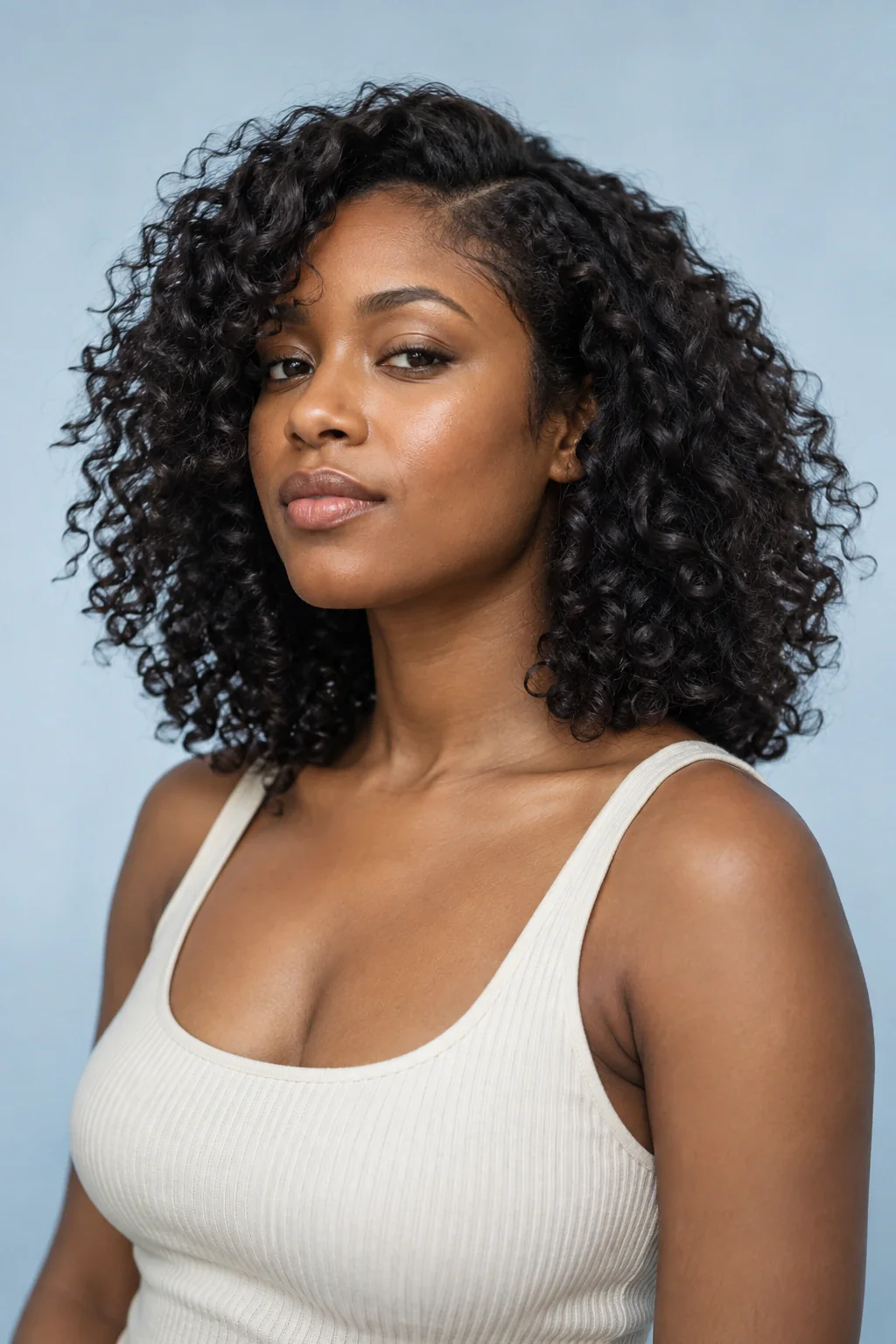
Make the accessory part of the composition
Choose an accessory by its relationship to the hair, not simply because it is labeled bridal or romantic. A narrow ribbon can add a visible line to a fuller shape. A small clip can make an off-center placement feel deliberate. A plain comb or barrette may provide enough ornament when the texture itself is the main feature. Start with one item so you can tell whether its size and position are doing what you want.
Check it from the side and back, especially if it will be worn for an event. An accessory that looks balanced in the mirror can disappear in a front-facing photo or interrupt the silhouette from another angle. Wear it for a short rehearsal at home. Note whether you keep adjusting it, whether it catches when removed, and whether it competes with your earrings. Those observations matter more than achieving a perfectly coordinated set.
Translate length into possibilities
Short hair can carry a romantic mood through curved placement, a softly arranged fringe, or a detail near the temple. Medium hair may offer enough length for a partial gather while keeping the outline visible. Longer hair allows more options for arranging the length, but that does not automatically make it more romantic. The mood is a styling decision, not a reward for having a particular amount of hair.
If you are considering a cut, identify the shortest detail that is essential to your plan and the longest detail you still need for everyday use. For example, you may want front movement while retaining the ability to gather the rest. Discuss both together. A reference with loose face-framing pieces does not show whether those pieces will stay out of your way when you exercise, cook, or work, so include those ordinary requirements in the conversation.
Make the everyday and occasion versions share a base
For a daily version, use your normal texture and secure one temple section. For an occasion, gather the matching section from the other side into a half-up style and add a barrette. This keeps the front shape related across both versions while leaving the lower hair familiar. You only learn one additional step.
For longer hair, a simple low ponytail can be the everyday version and a loose bun at the same position the occasion version. Check whether the front pieces remain comfortable with both. The bun may need different support from the ponytail; do not assume a decorative ribbon can hold the extra folded length. Build the structure with appropriate fasteners and add the ribbon afterward.
For a bob or crop, keep the cut’s shape and vary the side placement or accessory. A small, curved front sweep can be enough for daily wear; an exposed ear and a more noticeable clip can dress it for an event. Practice the new fastening with earrings and the intended neckline. If the result requires constant correction, reduce the section or change the piece. The romantic quality should remain visible while you walk and talk, with no need to preserve a delicate pose all day.
Bring texture and comfort into the consultation
Show the stylist a picture of your usual hair alongside the inspiration. Explain which movement you want to preserve and which part feels difficult to arrange. Ask how the suggested cut would look with your existing routine before discussing the more finished version. Professional consultation guidance emphasizes routine and maintenance because an image alone cannot communicate either. Your own observations make that conversation more precise.
For an event appointment, discuss the accessory, neckline, timing, and how long you expect to wear the style. Ask for a comfortable arrangement and speak up during the rehearsal if it feels tight. AAD guidance notes that repeated tension from tightly pulled styles can damage hair. The practical objective is a look you can forget about for a while: visible texture, considered placement, and enough freedom to enjoy the occasion rather than continually protect the hairstyle.
Choose the kind of romance the outfit already suggests
A softly draped blouse, a floral dress and a plain slip dress can all support a romantic mood, but they offer different starting points. For the blouse, you might enjoy loose texture near the neckline; for the floral print, a quieter arrangement may leave the pattern as the main detail. The slip dress might invite a more visible accessory. Put on the actual garment and choose one relationship, rather than treating romantic hair as a fixed collection of curls, ribbons and decorative pieces.
Create two versions using your present texture: one with the front more open and one with a softer frame. Photograph both with the same clothing and jewelry. Then describe the feeling in your own words, such as light, intimate, dreamy or understated. If neither version fits, change the placement before changing the texture. This keeps the experiment connected to your hair as you wear it, and makes it easier to identify which small adjustment contributes the particular mood you are trying to create.
Write a version that belongs to an ordinary day
Choose a romantic reference you enjoy and reduce it to its most recognizable detail. It may be a loose side gathering, a curved front section or a small bow placed near the back. Recreate only that feature with the time and accessories available on a normal morning. Leave out the elements that depend on a full event preparation. The result does not have to resemble the original image closely; it should retain the part of the idea that made you want to wear it.
Wear this smaller version with something familiar and assess it after several hours. Note whether the detail still feels like part of your style, or whether it seems to belong only to the reference photograph. If you enjoy it, keep it as an everyday option and reserve the more elaborate arrangement for occasions that justify the preparation. This gives the mood a place in your actual wardrobe, instead of leaving romantic hair as an occasional aesthetic you admire but never feel able to recreate.
Your questions, considered.
Can short hair look romantic without curling it?
Yes. Explore a curved silhouette, a side placement, a softly arranged fringe, or one accessory. Choose the detail that creates the mood for you rather than treating added curls as a requirement.
Should I brush out my natural texture for this look?
There is no aesthetic requirement to do so. Start with your normal texture and ask how shape or placement could supply the mood. Use a routine appropriate to your hair rather than copying an unrelated tutorial.
How do I keep a romantic style from feeling too formal?
Use fewer decorative elements and keep part of your usual finish visible. Try the look with everyday clothes, then remove whichever detail feels like a costume rather than an expression you enjoy.
Sources & what they support
The notes below explain the scope of each source. Hairstyle selections, outfit combinations and comparison exercises are HairSparks’s editorial suggestions; the links do not imply endorsement.
- L’Oréal Professionnel: preparing for a hair consultation ↗Consultation context: bringing pictures, explaining styling habits and discussing maintenance with a professional. It supports the consultation advice, not our aesthetic judgments about individual looks.
- American Academy of Dermatology: hair styling without damage ↗Hair-care background on heat and handling. The outfit choices, styling sequences and visual comparisons here are editorial suggestions, not findings from a clinical test.
HairSparks and Hair Muse share the same publisher. App mentions are promotional. Read our editorial policy.