
Decide whether you want to display, soften or professionally change the contrast between roots and colored lengths. Test a different part and gathering first. If you want a service, bring your color history and maintenance limits; styling alone does not change pigment.
Choose whether to show, soften or discuss the contrast
Look at the color in the hairstyle you wear most often, then compare it with the front gathered away. The same roots and lengths can create a different visual pattern in each position. Decide which part you want to change: the line beside the part, the contrast near the face or the overall balance between darker and lighter areas.
A clear part can make the contrast a visible feature; a softer direction can interrupt the line without altering the color. Curls and coils may reveal it in moving groups, while straighter lengths can show a more continuous edge. If your goal involves changing the color itself, speak with a colorist about the current hair and previous services. A salon-created root shadow and natural regrowth can share a visual effect without being the same process.
Read the contrast in several ordinary hairstyles
Wear the hair loose in your usual part, gathered away from the face and in a comfortable half-up shape if your length allows. Notice how each arrangement reveals the root area and the colored lengths. The contrast may feel strong in one configuration and more blended in another. You are not changing the color itself; you are learning which parts of it become visible when the hair moves. That distinction keeps expectations realistic.
A straight part can make a color boundary easy to see, while a softer direction may interrupt the line visually. A gathered style can reveal areas near the temples or nape that you rarely notice with the hair down. Look at those views without deciding they must be hidden. You may enjoy the graphic effect once you see it as part of the whole hairstyle. The useful question is which arrangement expresses the mood you want today, not which one makes the transition disappear completely.
Take consistent photographs in ordinary light, including a side view. Do not judge the color from one close-up under a harsh overhead lamp and compare it with a softly lit inspiration image. The two pictures are answering different questions. A realistic record helps you discuss the transition and prevents a temporary styling change from being mistaken for a major color change. It also lets you notice which everyday looks continue to feel like you throughout the process.
Choose whether to show or soften the boundary
Showing the contrast can be a deliberate style choice. A clear part, compact gathering or simple outfit may let the difference between roots and lengths become part of the design. This can feel graphic, casual or expressive depending on the rest of the look. You do not need to describe visible regrowth as neglect. At the same time, you do not have to enjoy it just because someone else treats it as fashionable. Your preference is the relevant starting point.
If you want a softer visual effect without an immediate color service, experiment with the direction and grouping of the hair. A less rigid part or more movement through the outline may change how the boundary reads. These are optical styling choices, not methods that alter pigment or guarantee concealment. Keep the experiment reversible and judge it in motion. A technique that looks convincing only from one camera angle may not be worth maintaining through an ordinary day.
A salon-created shadow root is a separate technical option. Wella Professionals describes it as a deeper, diffused root area that contrasts with the lengths; its guidance makes clear that the approach depends on the desired effect and starting hair. Mention the visual idea to a colorist rather than copying a formula from a photograph. Naturally grown roots and an intentionally applied root shadow can look related, but they are not automatically the same process or maintenance commitment.
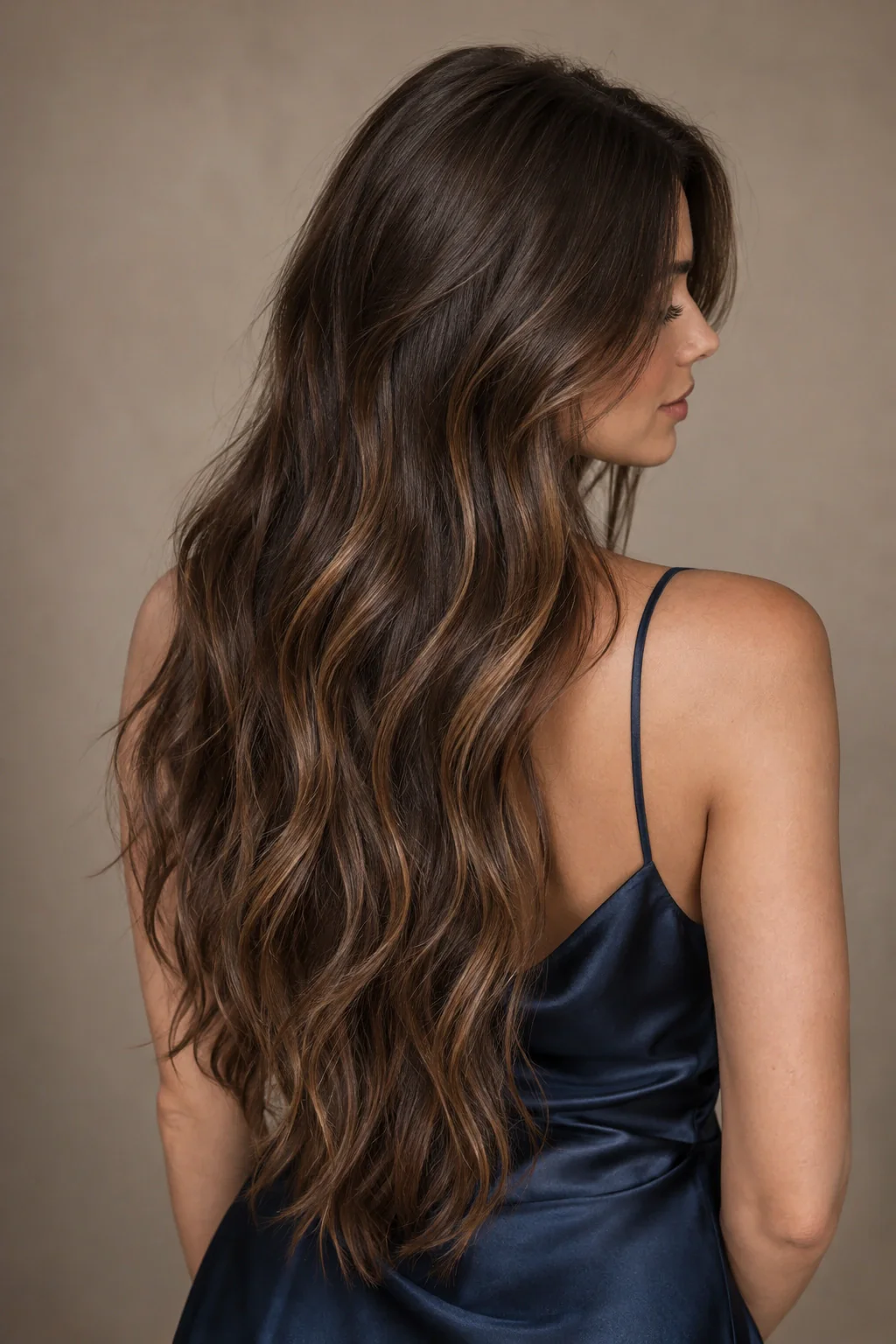
Use the haircut shape to create a clear intention
Color is only one part of the hairstyle. A defined outline, a chosen part or a comfortable gathering can make the whole result feel considered even while the color is changing. You may find that keeping the cut's shape familiar gives you enough continuity through the transition. Alternatively, a small styling change may help you feel less tied to the look associated with the old shade. Start with reversible direction and silhouette changes before assuming a major cut is necessary.
If you are considering a haircut, separate the questions of length and color. Would you still want the shorter shape if the color already looked exactly how you hoped? If yes, the cut may have its own clear purpose. If not, you may be asking a haircut to solve a temporary feeling about regrowth. Discuss both concerns with a stylist so the proposed shape serves your everyday routine as well as the transition. There is no need to rush into removing length solely because a boundary is visible.
For layered hair, notice which colored sections appear around the face and which sit underneath. A different gathering may reveal or conceal them in ways you enjoy. For a blunt outline, the two-tone relationship may look more graphic. Curly or coily hair can show color in shifting groups as the texture moves. These observations help you choose styling intentionally. They do not dictate which texture is better for grow-out; each offers a different way for the color relationship to appear.
Let the wardrobe support the current stage
Try a few outfits you already own rather than deciding you need a new palette. A simple dark top may make lighter lengths stand out; a warm neutral may echo copper or caramel; a bright color may shift attention toward the whole ensemble. These are possibilities to observe, not rules based on a fixed category. Put the clothes on and view the combination at conversation distance. Hair color can interact with fabric without determining everything you are allowed to wear.
If the transition feels visually busy, you might enjoy quieter accessories or a simpler neckline for a while. If you like the contrast, you may prefer to repeat that energy in a strong earring or a deliberate color pairing. Either approach can make the stage feel owned. The point is not to camouflage a supposed flaw. It is to choose how many competing details you want around the face on a given day, just as you would with any other hairstyle.
Keep one familiar outfit as a reference when evaluating a possible new color direction. If every preview uses a different garment and lighting setup, you may be responding to the styling of the image rather than the hair. A consistent frame makes it easier to tell whether you miss the old brightness, prefer the growing natural shade or simply want a different finish. That clarity can save you from booking a service to solve a problem that was really about an outfit combination.
Prepare a colorist brief with history and limits
If you want professional help with the transition, bring a current photograph and an honest account of previous color services and products. Include what you remember and say when you are unsure. A colorist needs to assess the actual starting point, not just the desired image. Explain whether you want to keep the lighter lengths, reduce the visible contrast, change the overall tone or continue growing without additional color. Those goals lead to different conversations.
State your practical limits clearly: appointment frequency, available time, budget and the amount of change you are willing to make now. Ask what the proposed option would look like as it grows and what maintenance it would require. A service described as lower maintenance can still involve follow-up care or appointments. The useful answer is specific to your hair and expectations, rather than a general promise that one technique removes all future decisions.
Ask the colorist to distinguish what can be achieved in the next appointment from what may require a longer plan. Avoid demanding a precise match to a filtered or digitally generated reference. Use the image to show contrast, warmth or placement, then let the professional explain the feasible version. This keeps the consultation focused on an outcome you can understand. It also gives you permission to choose a smaller change if that better fits the reason you began growing the color out.
Use previews to compare direction
An AI preview can be useful when you are unsure whether you want a darker overall frame, lighter ends or a different balance near the face. Compare a small number of clearly different directions using the same starting photograph where possible. Name the feature you are evaluating in each one. A preview that changes the cut, color and styling at once can be attractive while offering little help with the specific grow-out decision you are trying to make.
Show a preferred preview to a colorist alongside real current photographs, and ask which aspects are useful references.
If two previews appeal for different reasons, write that down instead of forcing a winner. You might prefer the deeper root in one and the softer warmth in another. That is a more useful brief than choosing one entire image and hoping every detail can be reproduced. You can also decide that no new color is needed: perhaps the previews show you that the contrast you already have is close to the mood you wanted, and styling is the only experiment you wish to make.
Separate the next haircut from the next color decision
A shorter haircut changes the outline as well as removing some colored length. Before choosing it, hold the lower lengths out of view and ask whether you like the shorter shape itself. This is only a visual check, but it helps separate wanting a bob or crop from wanting a color boundary to disappear. Discuss the cut’s practical version with a stylist.
You can also continue the transition without changing length. Compare a side direction, a low gathering and a loose version to find the color distribution you enjoy now. If none addresses the concern, explain the specific issue to a colorist alongside your history and upkeep preferences. Keep the request focused enough that the professional can distinguish a styling adjustment, a haircut choice and a color-service discussion.
Your questions, considered.
Can styling hide my roots completely?
Styling can change which areas are visible and how a boundary reads, but it does not change the color itself. Compare a different part, a gathered style and your usual loose arrangement. Choose the effect you like without relying on a single camera angle or expecting a permanent color change from a temporary styling choice.
Is a shadow root the same as letting color grow out?
No. A shadow root is a salon color technique that creates a deliberately deeper, diffused area near the roots. Natural regrowth is the hair growing from your scalp beside previously colored lengths. They may share a visual contrast, but the process and upkeep differ. Discuss any color service with a colorist who can assess your starting hair.
Should I cut my hair shorter to finish the transition?
Only if you also want the shorter shape and understand the practical result. Ask whether you would choose the cut if the color already looked the way you wanted. A stylist can help separate the length decision from the color decision. You can also explore reversible styling changes while considering a more permanent choice.
Sources & what they support
The notes below explain the scope of each source. Hairstyle selections, outfit combinations and comparison exercises are HairSparks’s editorial suggestions; the links do not imply endorsement.
- Wella Professionals: what a shadow root is and how its contrast varies ↗Professional explanation of a shadow root and variations in root-to-length contrast. Used to clarify color vocabulary, not to provide a chemical recipe.
- Wella Professionals: planning lower-maintenance color ↗Professional context for discussing color placement and ongoing maintenance. Lower maintenance does not mean no upkeep or guarantee a fixed appointment interval.
HairSparks and Hair Muse share the same publisher. App mentions are promotional. Read our editorial policy.