
0
Download on the App Store
BANGS & FACE FRAMING

Bangs filter.
A new face frame.

Wondering what you would look like with bangs?

Explore a bangs filter idea with Hair Muse and compare curtain bangs, wispy bangs or a fuller fringe.

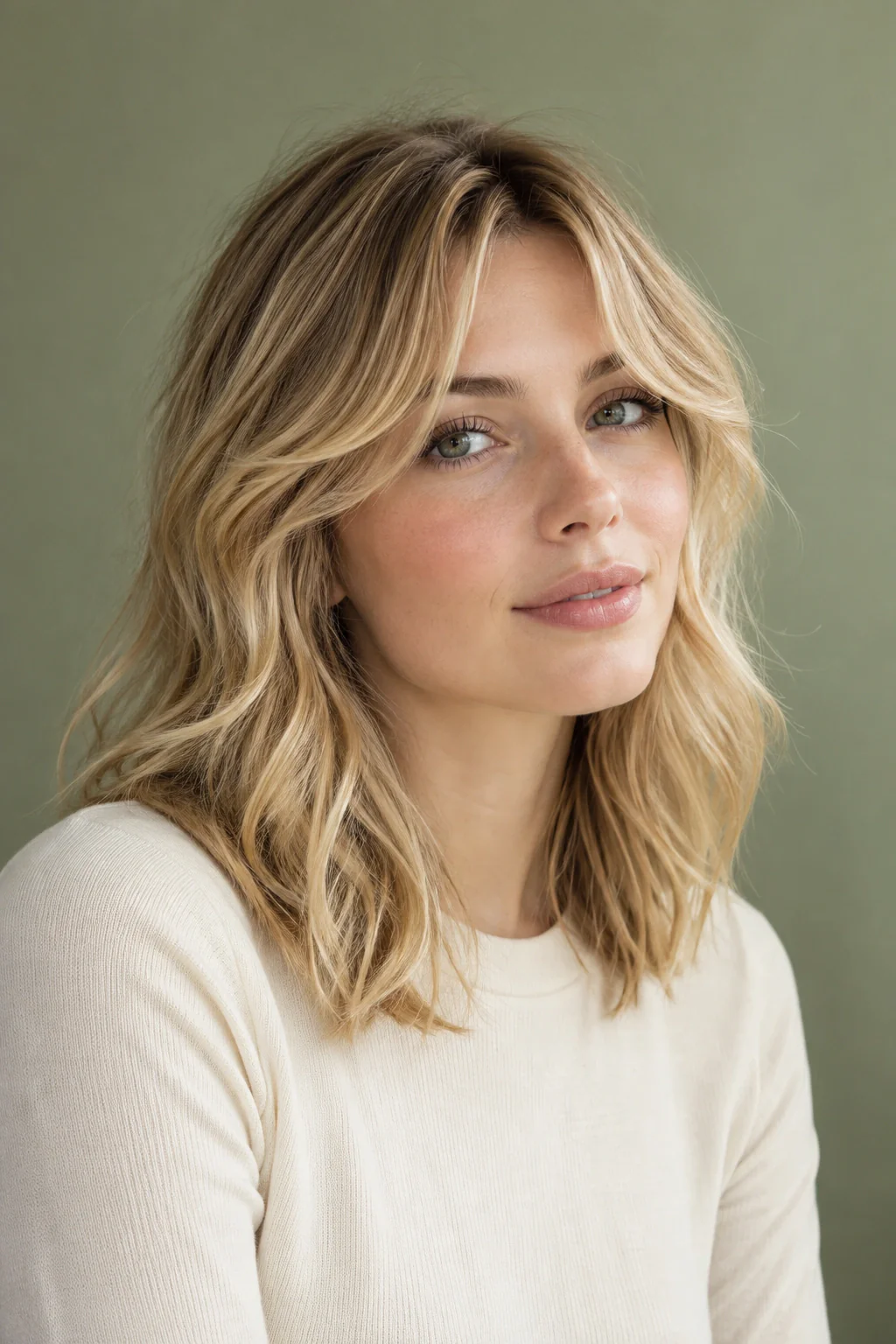
A young woman with honey-blonde shoulder-length hair and airy curtain bangs, photographed in soft daylight against sage.
BANGS & FACE FRAMING

Bangs filter ideas: curtain, wispy or full fringe.

A bangs filter comparison starts with the opening, length and fullness at the front. Curtain bangs split through the middle, wispy bangs leave more gaps, and a fuller fringe makes a stronger edge across the forehead. Explore these directions on your photo with Hair Muse while keeping your main haircut familiar, then plan the version you would enjoy wearing.

01 / THE DETAILS

Curtain bangs try-on: what changes beside your face?

The label alone is not enough. Look at where the shortest piece stops, how far the fringe extends toward the temples and how much forehead remains visible. A long curtain fringe and a short one can have very different daily implications even if they share a name.

Use an open-front version as your baseline. When you put a fringe beside it, decide whether you enjoy the added coverage and the new connection between the forehead and the sides. Then consider whether you want that coverage while reading, exercising or wearing glasses.

Fringe directions to compare before a cut
DirectionThe visible differenceAsk before cutting
Curtain bangsA divided front with pieces moving toward each side.Where will the shortest piece land, and can the sides tuck?
Wispy fringeA lighter, separated front with skin visible between pieces.How would my density and growth direction affect those gaps?
Fuller fringeA more continuous lower edge and more forehead coverage.What would I need to do after washing or sleeping to restore the shape?
Long swept frontMore open forehead with movement directed to one side.How much length should stay so it can move away from my eyes?

Scroll sideways to compare →

Keep the one you enjoy and ask a stylist how to adapt it to your hair.

02 / THE DETAILS

Try on bangs with your everyday habits in mind.

Put on the glasses you actually wear and look at the space between the frame and the shortest hair. Think about looking down at a laptop, leaning over a desk and walking outside.

If you frequently gather your hair, identify where the fringe would go. You may enjoy a loose front when the rest is tied back, or prefer a style that can become completely clear. Neither preference is more stylish. It is simply a practical detail worth deciding before the scissors arrive.

  • Do I want the front to tuck behind my ears?
  • Am I comfortable with hair near my brows or glasses?
  • Would I use a small clip on busy days?
  • How do I want the fringe to behave when the rest is tied back?
03 / THE DETAILS

Ask about the hair’s direction, not a perfect photograph.

A stylist can look at how the front grows, how your texture settles and what happens when the hair dries. Explain your normal styling routine before asking for a particular fringe. A picture with a polished finish may be showing an arrangement that takes more attention than you want to give it.

Discuss the first version and the next stage. If you are unsure, ask what a longer or softer interpretation would preserve and how it could be adjusted later. Avoid assuming that a tiny difference in a preview means an equally tiny difference in daily life. The front can be a small section with a noticeable effect.

04 / THE DETAILS

Save a preference and a boundary.

“I like the softer frame in this picture. I want to keep my eyes clear and be able to move the front aside without a full styling session.”

This example separates the mood from the non-negotiable. Your boundary might be different: enough length for an ear tuck, no daily use of a heated tool or a fringe that feels comfortable with a particular frame. A professional can then explain which interpretations are plausible.

You may finish the experiment by keeping your current front and changing the part or styling instead. That is still a clear decision. A try-on is there to help you explore the question, not to require that every preview becomes a haircut.

A LITTLE CLARITY

Your questions, considered.

What would I look like with bangs?

Use Hair Muse to explore a fringe on your photo. For a curtain bangs try-on, compare an open forehead with pieces divided through the center. For wispy bangs, notice the gaps and the amount of forehead that stays visible. Keep the overall haircut similar while you choose the front you like.

What if I wear glasses every day?

Keep that habit in the brief and use references that let you see the space around the frame. Discuss how the shortest pieces could sit and move. A fringe should be comfortable in the version of your day that includes your glasses.

Can I keep the same overall length and only explore bangs?

That is a useful way to focus the decision. Compare the front while keeping the rest of the look as familiar as possible, and separate the fringe question from any later change in layers or color.