
0
Download on the App Store
THE AI STYLIST CONVERSATION

Your AI stylist.
A clearer hair idea.

Ask the Hair Muse AI stylist about your next hairstyle.

Start with the change you want, your natural texture and the routine you enjoy.

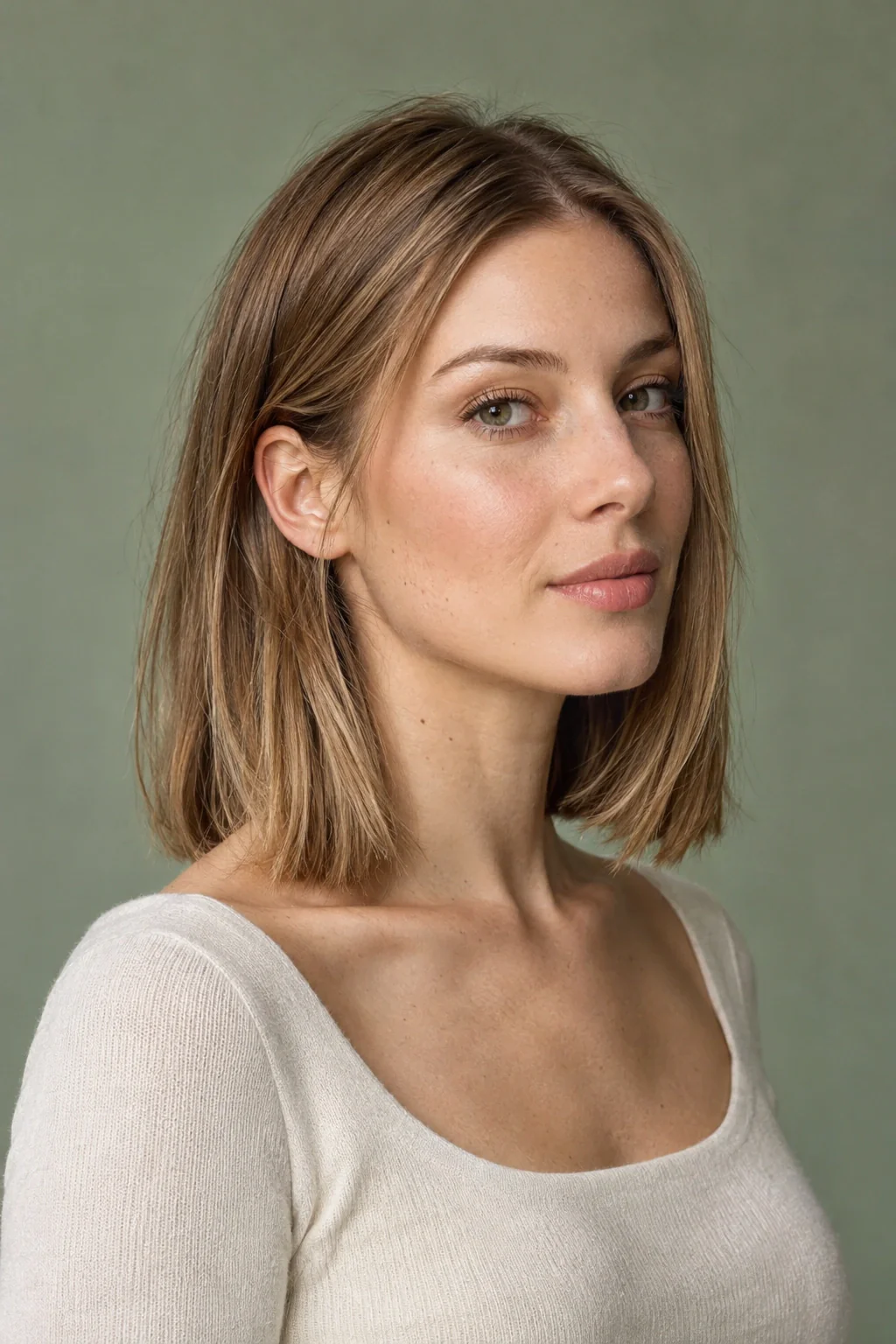
A young woman with a clean dark-blonde bob, an open forehead and an ivory knit top against sage.
THE AI STYLIST CONVERSATION

AI stylist questions that lead to useful hairstyle advice.

Ask “Which bob lengths should I compare if I need to tuck the sides and usually air-dry?” instead of only “What hairstyle suits me?” The first question gives the AI stylist something concrete to work with. Include your preferences, then treat the response as a set of ideas to evaluate and discuss.

01 / THE DETAILS

Use this three-part prompt.

Describe what you want to change, what must remain possible and what you normally do to your hair. Ordinary language is enough. If you do not know a haircut term, explain where you want the ends or how you want the front to move.

Keep the first question narrow. A conversation about cut, color, styling tools and a wedding updo all at once can produce a long answer without settling your immediate decision. Start with the change you are closest to making.

  1. Name the goal

    “I want a bob that clears my shirt collar” gives a visible target. “I want a warmer brunette” gives a color direction. Avoid relying on a broad word such as effortless until you have explained what it means during your day.

  2. Protect a function

    Add “I need the front to tuck behind my ears,” “I want to keep my curls,” or “I need enough length for my usual tie.” These conditions help you filter ideas before becoming attached to a picture that loses something essential.

  3. Describe your routine

    Say whether you air-dry, use heated tools, wear a headset or normally spend only a few minutes on the front. Ask which differences to compare and which questions to take to a stylist. Leave chemical formulas and a real cutting plan to a professional.

If the answer overlooks a condition, repeat it and ask for an alternative. You do not need a complete plan from one response. End with one or two options whose differences you can explain, plus the practical question that still needs an in-person assessment.

02 / THE DETAILS

Ask a question that leads somewhere.

Illustrative ways to make a hairstyle question more specific
Starting thoughtA more focused question
I want a new look.What different outlines could create a clearer neckline while leaving a longer front?
I like this color.How could I describe the warmth and contrast in this reference before speaking to a colorist?
I want easy hair.What should I ask about a cut if I usually air-dry and need a quick way to clear my face?
I am unsure about bangs.Which practical questions matter if I wear glasses and often tuck the front behind my ears?

Scroll sideways to compare →

These examples are prompts you can adapt, not transcripts or claims about a particular answer. They keep the conversation at the level of ideas and questions. The more personal the service decision becomes, the more important it is to involve someone who can examine your actual hair.

03 / THE DETAILS

Read a suggestion as a proposal.

If the advice assumes a daily styling routine you do not have, return to that constraint. If it names a cut without explaining the feature, ask what changes visually.

Avoid using a chat response as a color formula, chemical procedure or substitute for assessing hair condition. You can ask for a list of questions to bring to a consultation instead. That keeps the conversation useful without asking it to make decisions that require a different kind of evidence.

04 / THE DETAILS

Finish with your own sentence.

After considering an answer, write the part you agree with in your own words. For example: I want a quieter outline at the sides, but I want to keep movement at the front. That sentence is easier to evaluate than a long list of hairstyle names, and it helps you recognize whether a preview or reference fits the goal.

Save the unresolved question beside it. You may still need to know how the front behaves when dry, what an ear tuck requires or whether the color direction fits your previous services. A useful conversation does not erase those uncertainties; it makes them clear enough to discuss.

Your HairSparks board is a separate place for editorial references and your own notes. It does not automatically import an app conversation. Keep the summary you want to use, and consult the app’s current information for its own features, storage and support.

A LITTLE CLARITY

Your questions, considered.

Do I need technical haircut vocabulary?

No. Describe what you want to see and what you need to keep doing with your hair. Plain language about length, shape, movement and your routine gives the conversation a practical foundation.

What is the best thing to take away from the chat?

A clear sentence about the change you are considering and a short list of questions that remain. Those are easier to use in a salon conversation than a large collection of unfiltered suggestions.