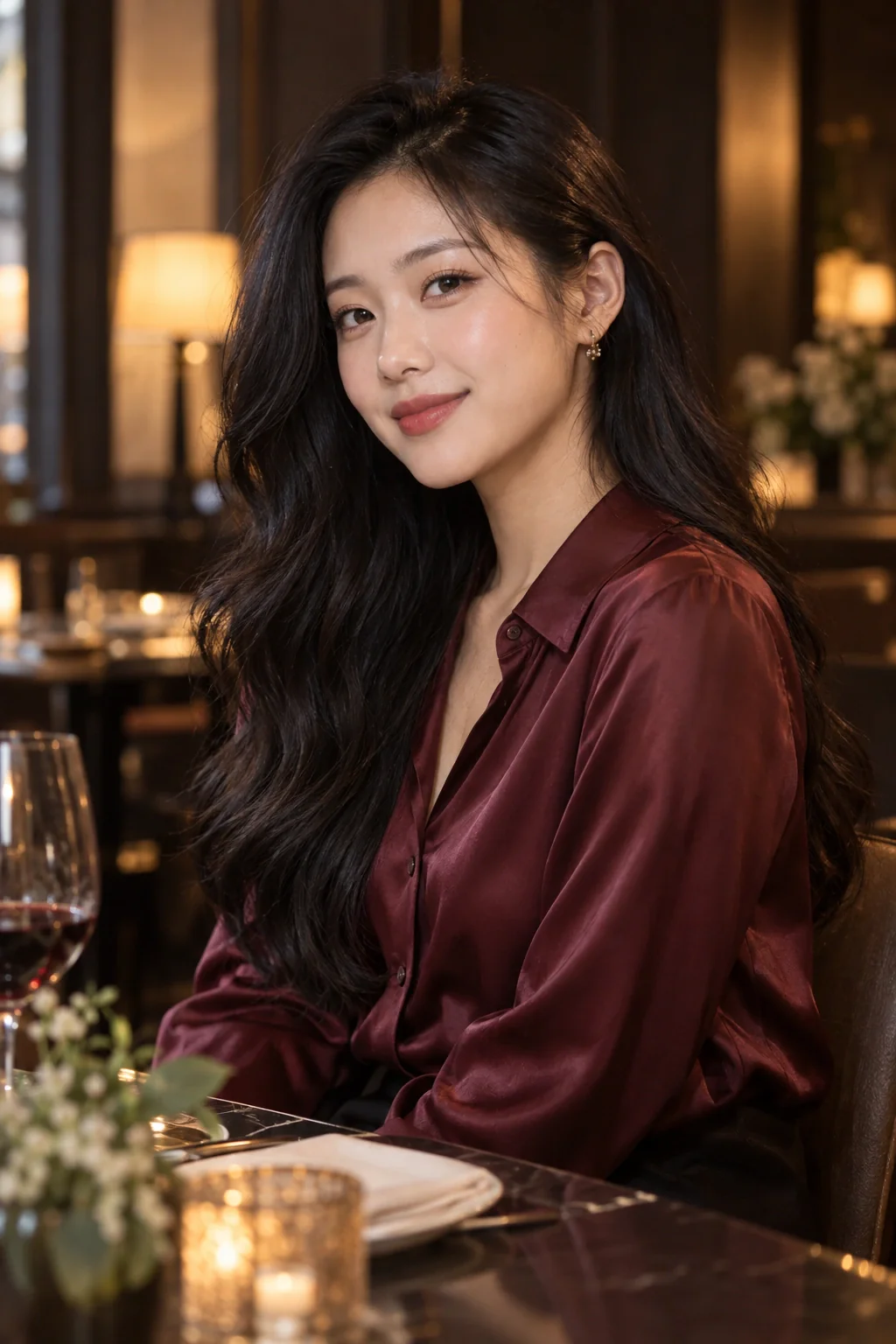
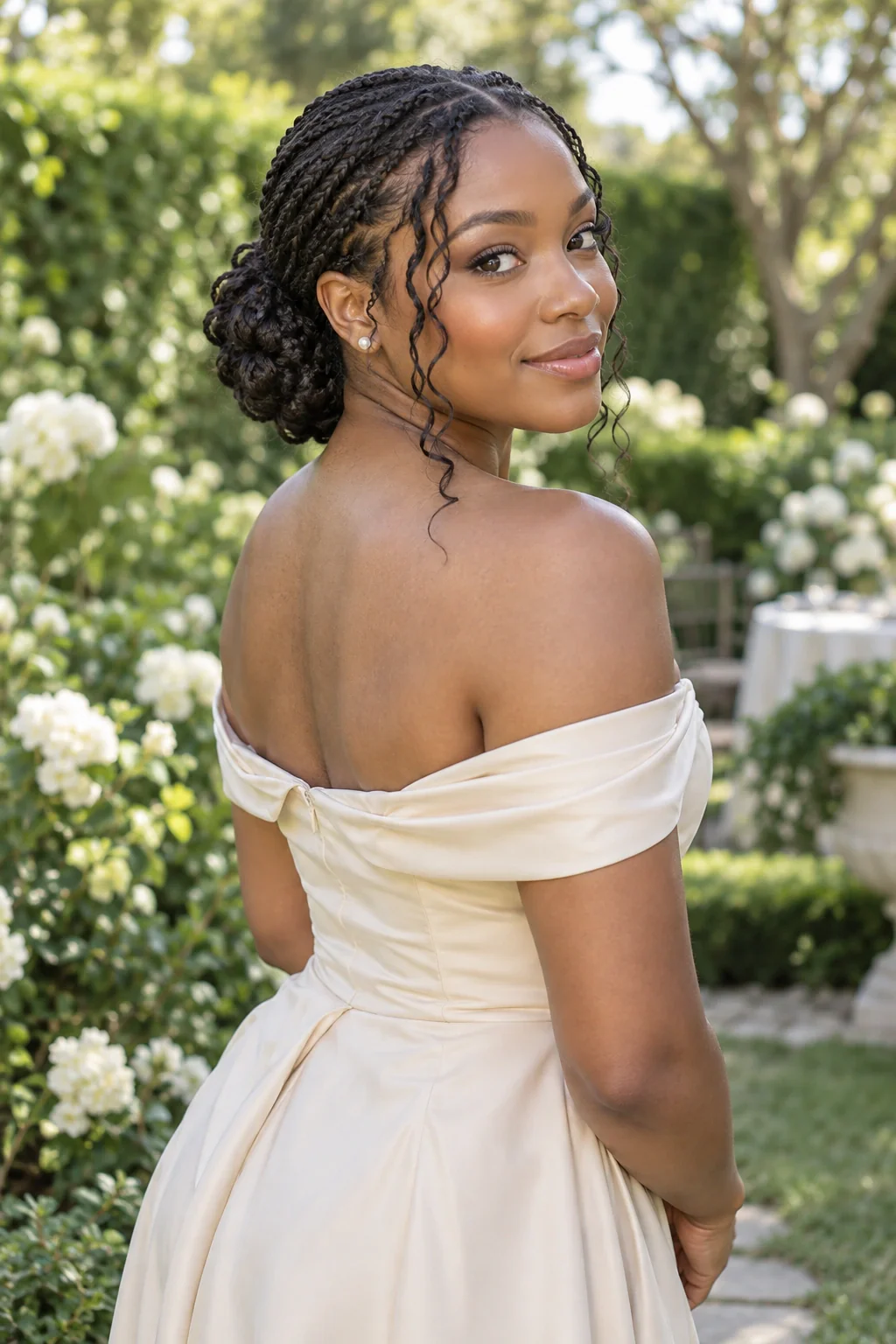
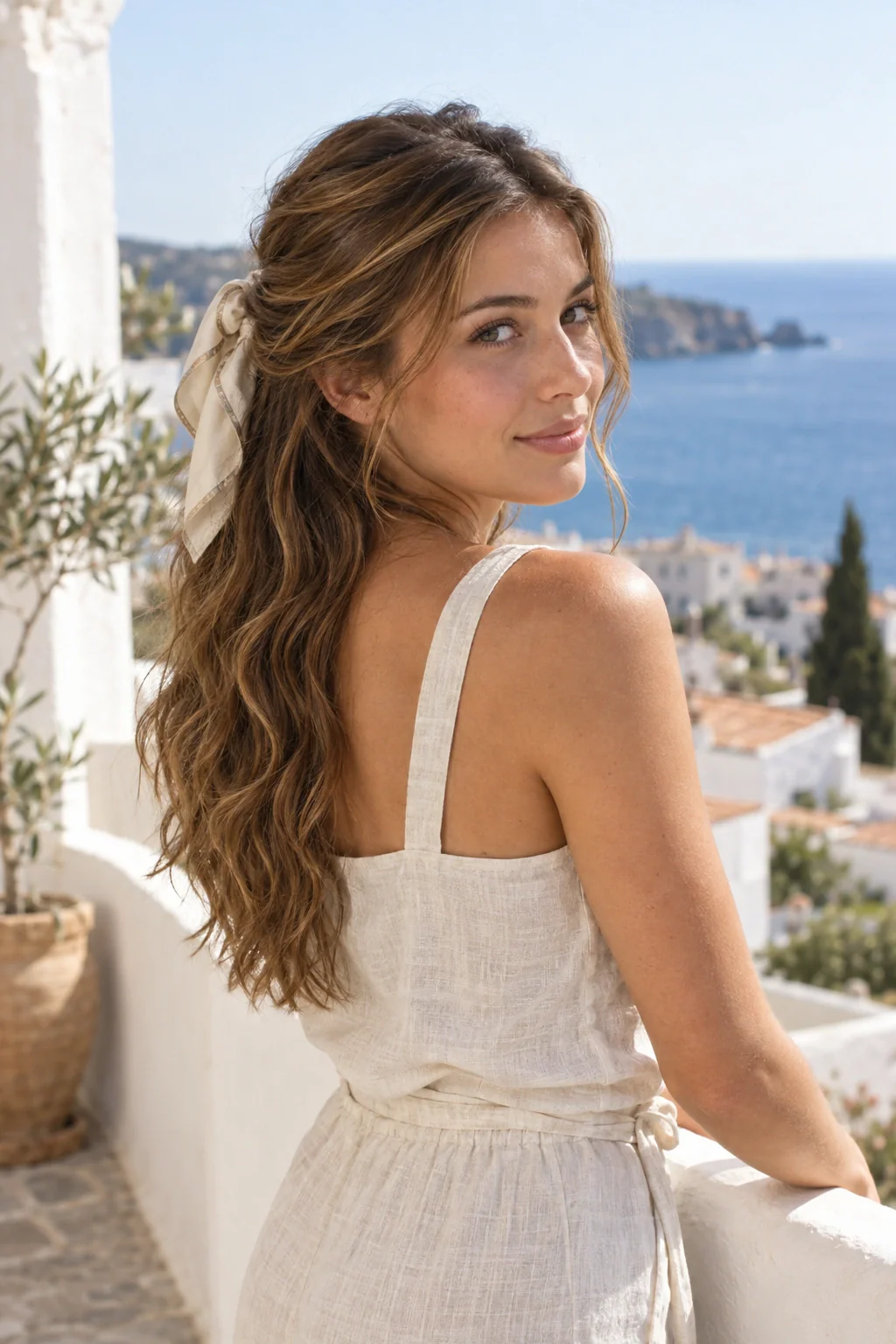
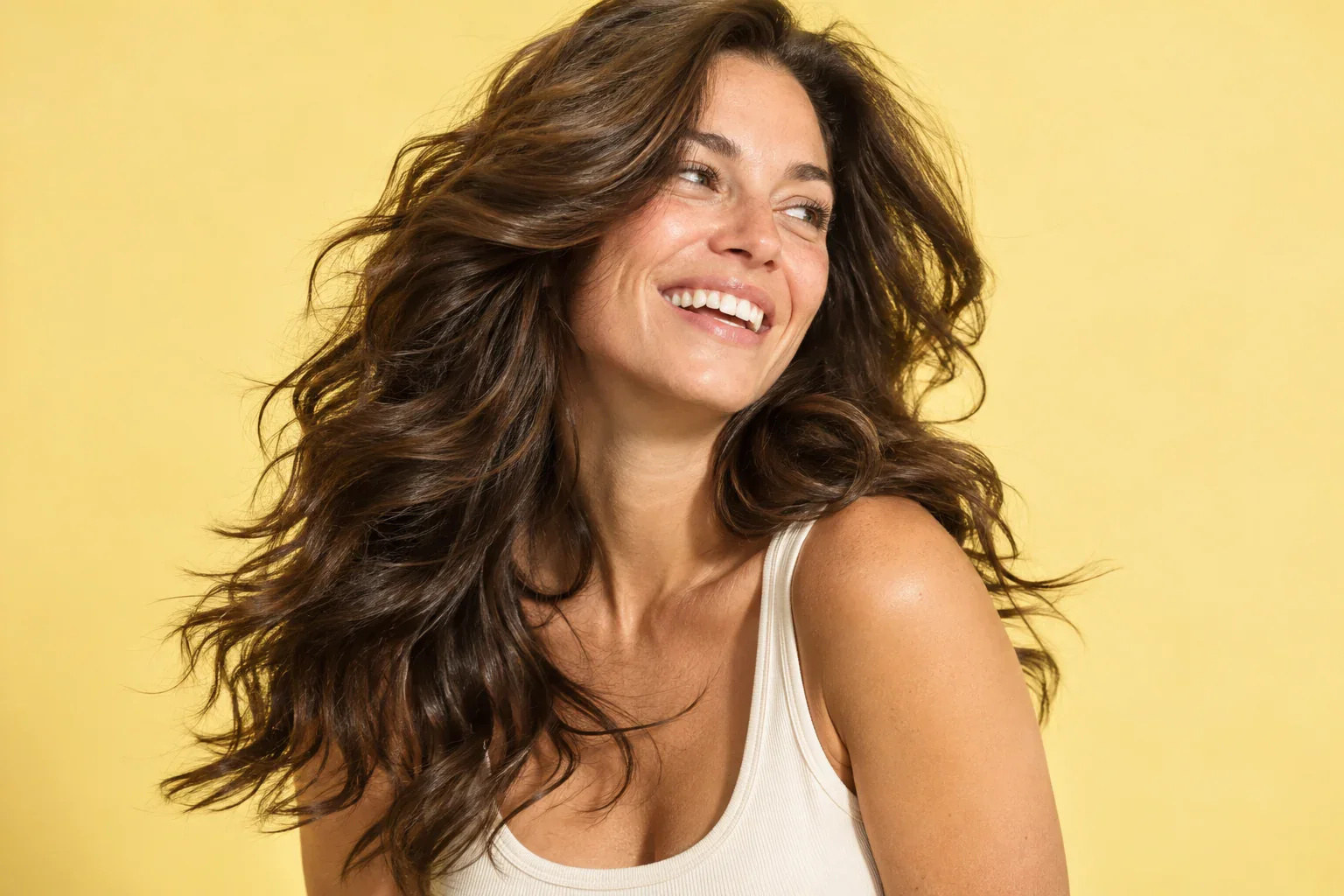
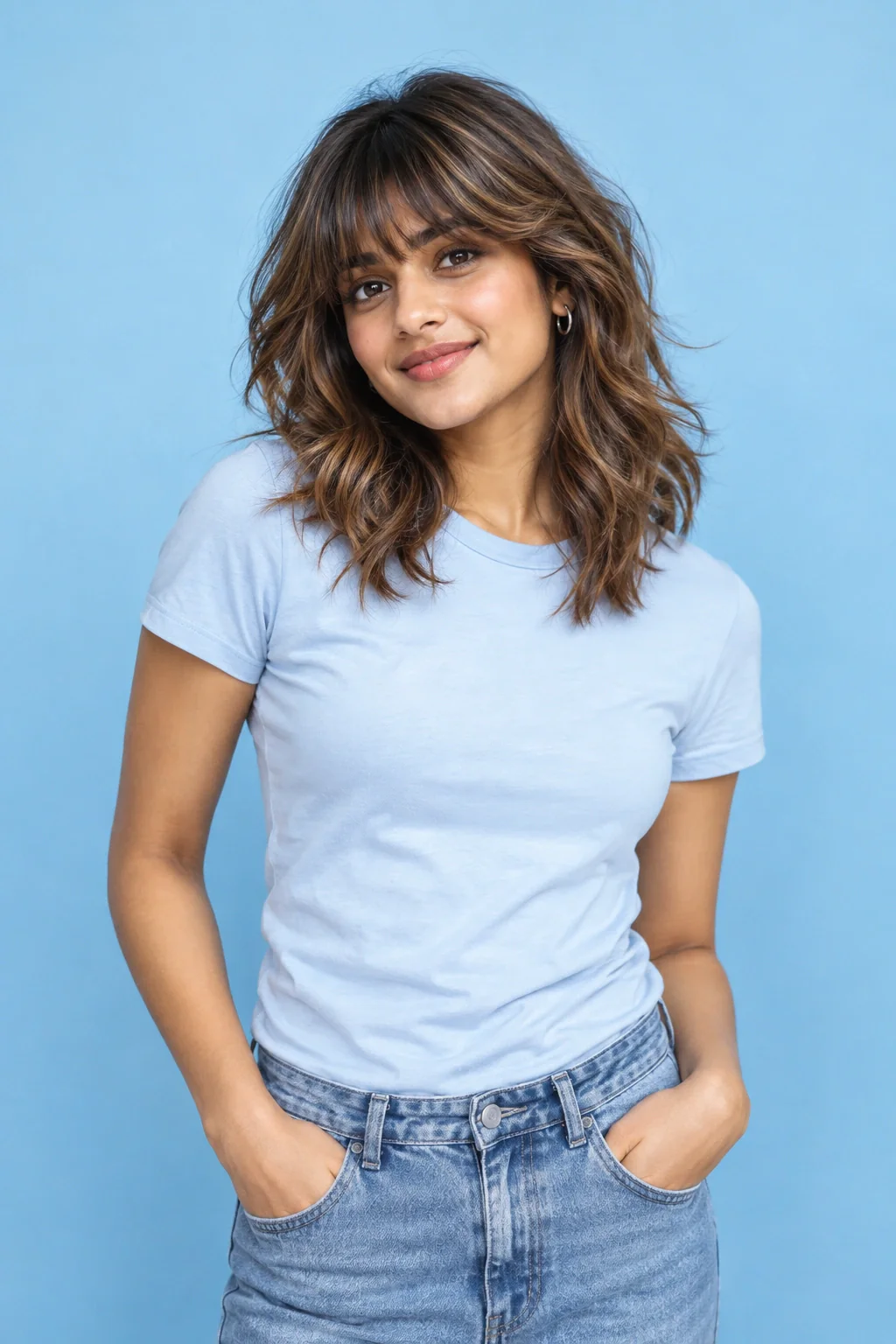
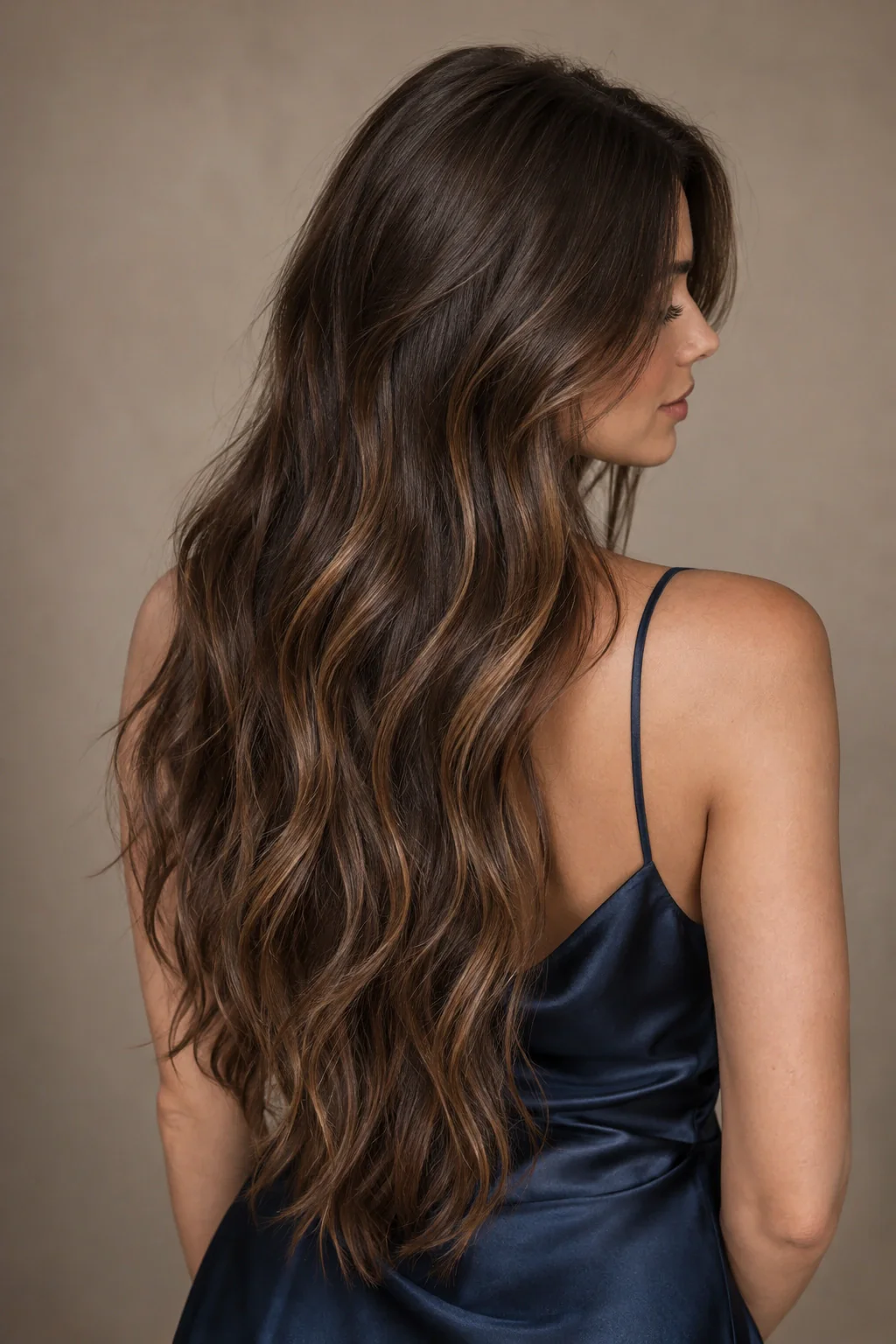
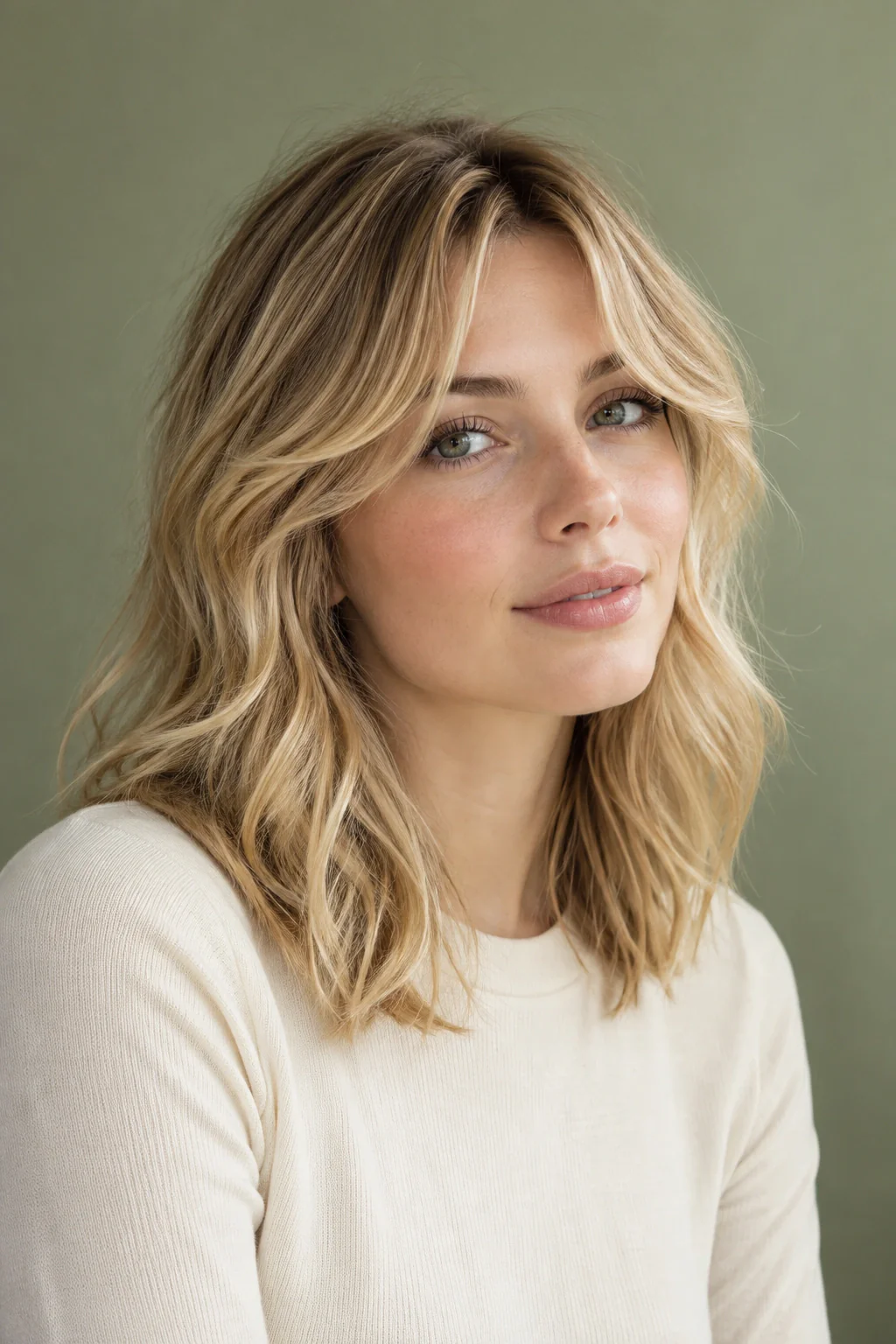
 Long / Wavy
The soft volume
Full movement. Easy energy.
Try hairstyle ideas, bangs and hair colors on your photo with Hair Muse.
You don’t need a haircut name.
Just a feeling you want to make your own.
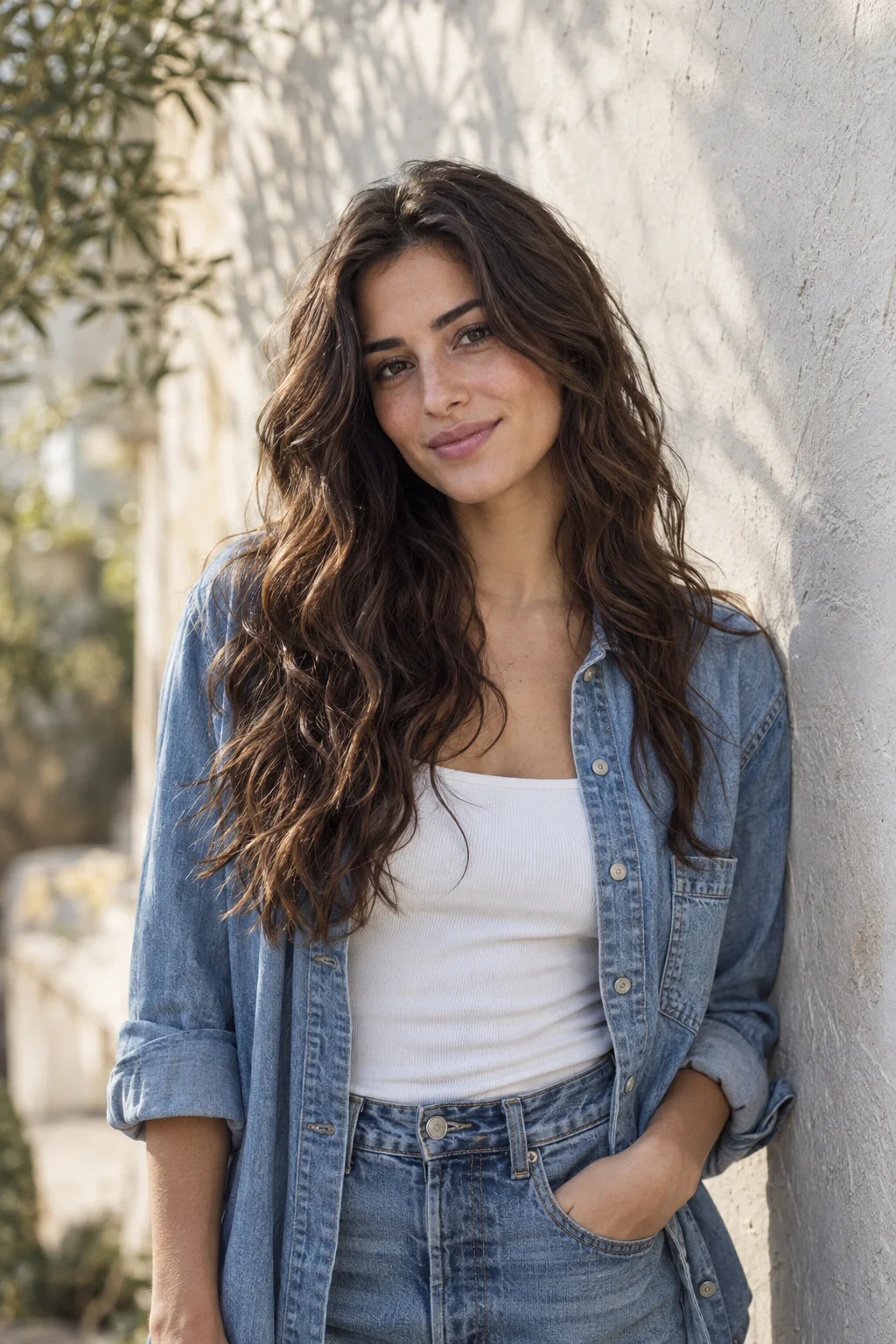 01 / THE MOOD
A little undone. Entirely you.
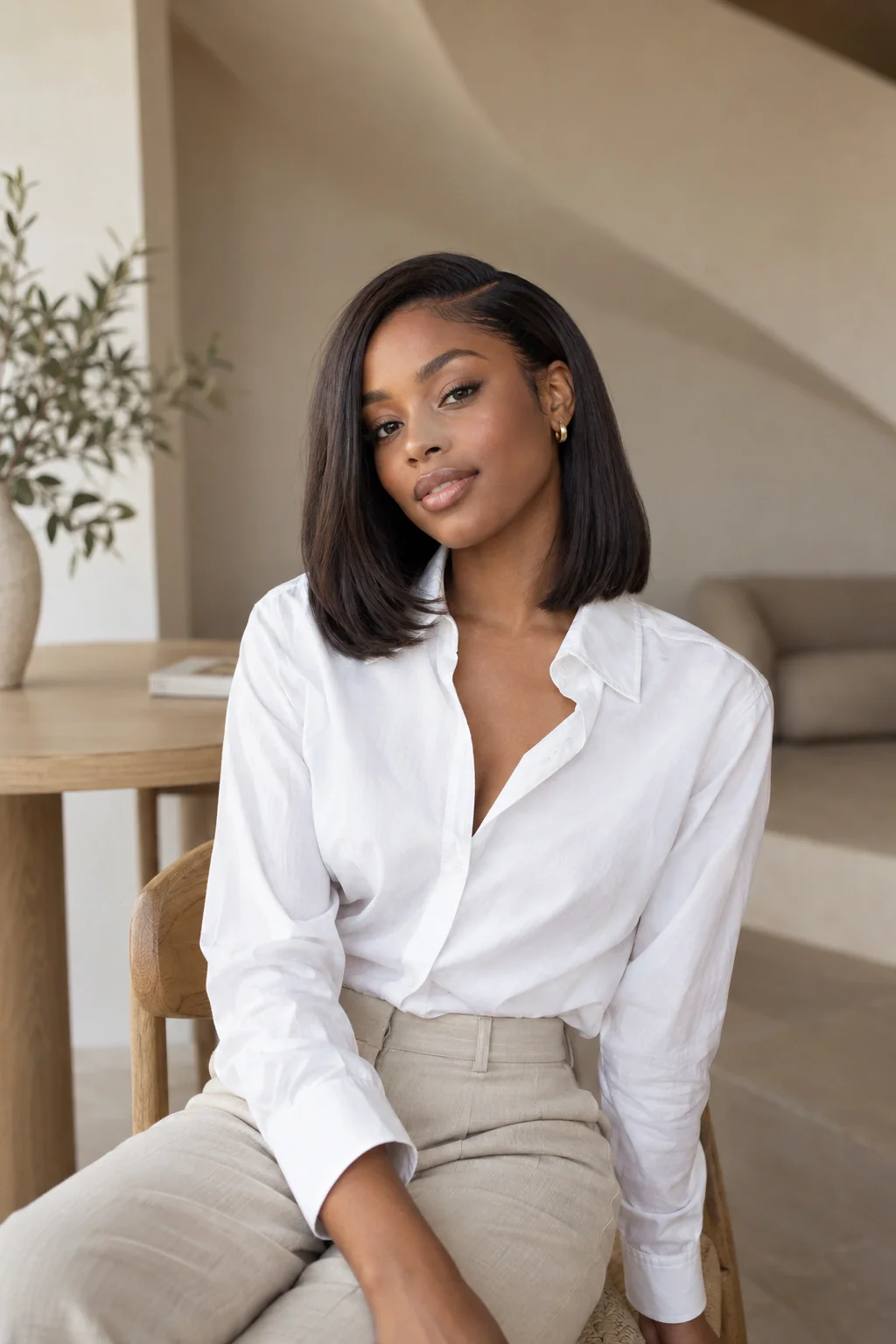 02 / THE MOOD
Clear lines. Quiet confidence.
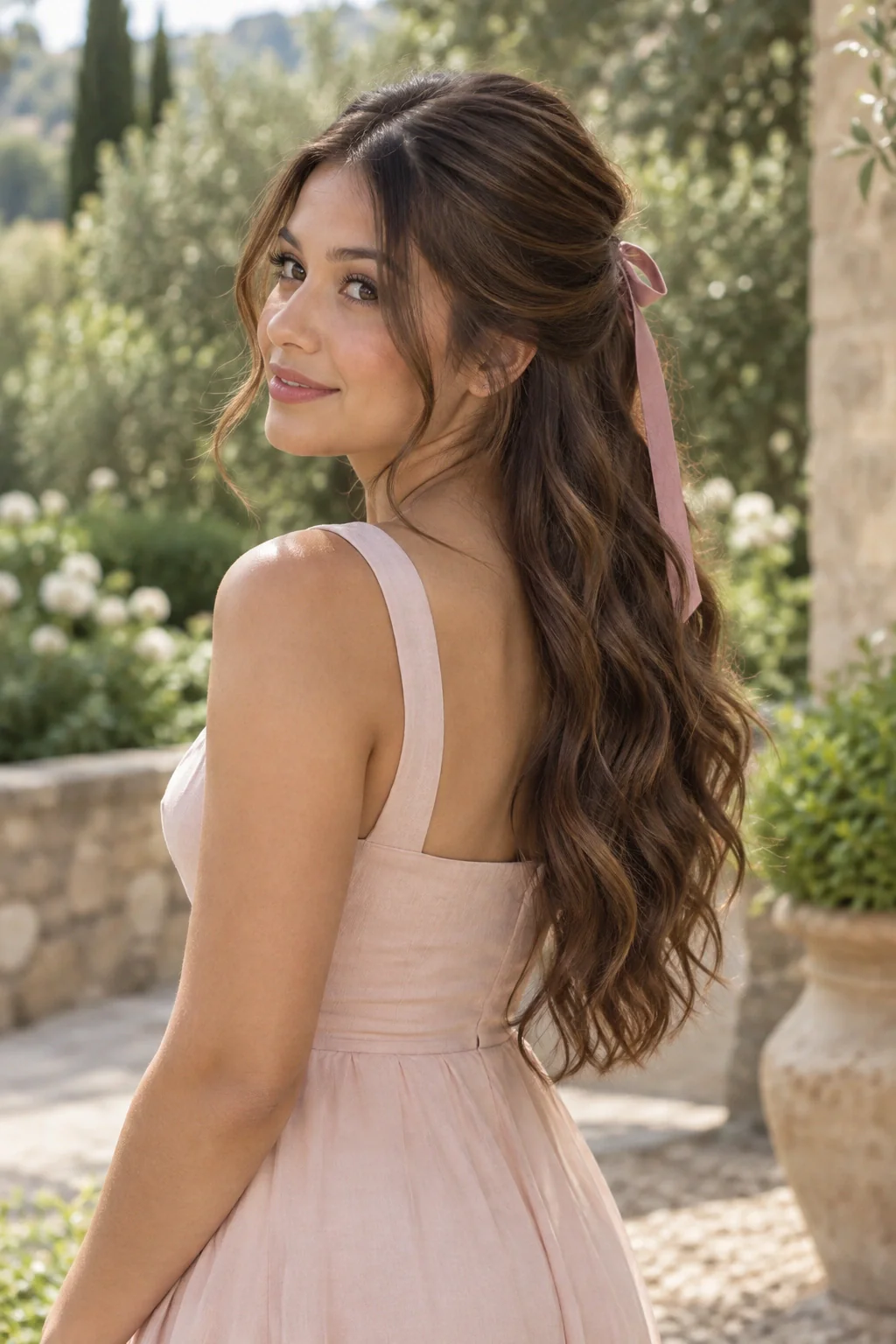 03 / THE MOOD
Softness with a point of view.
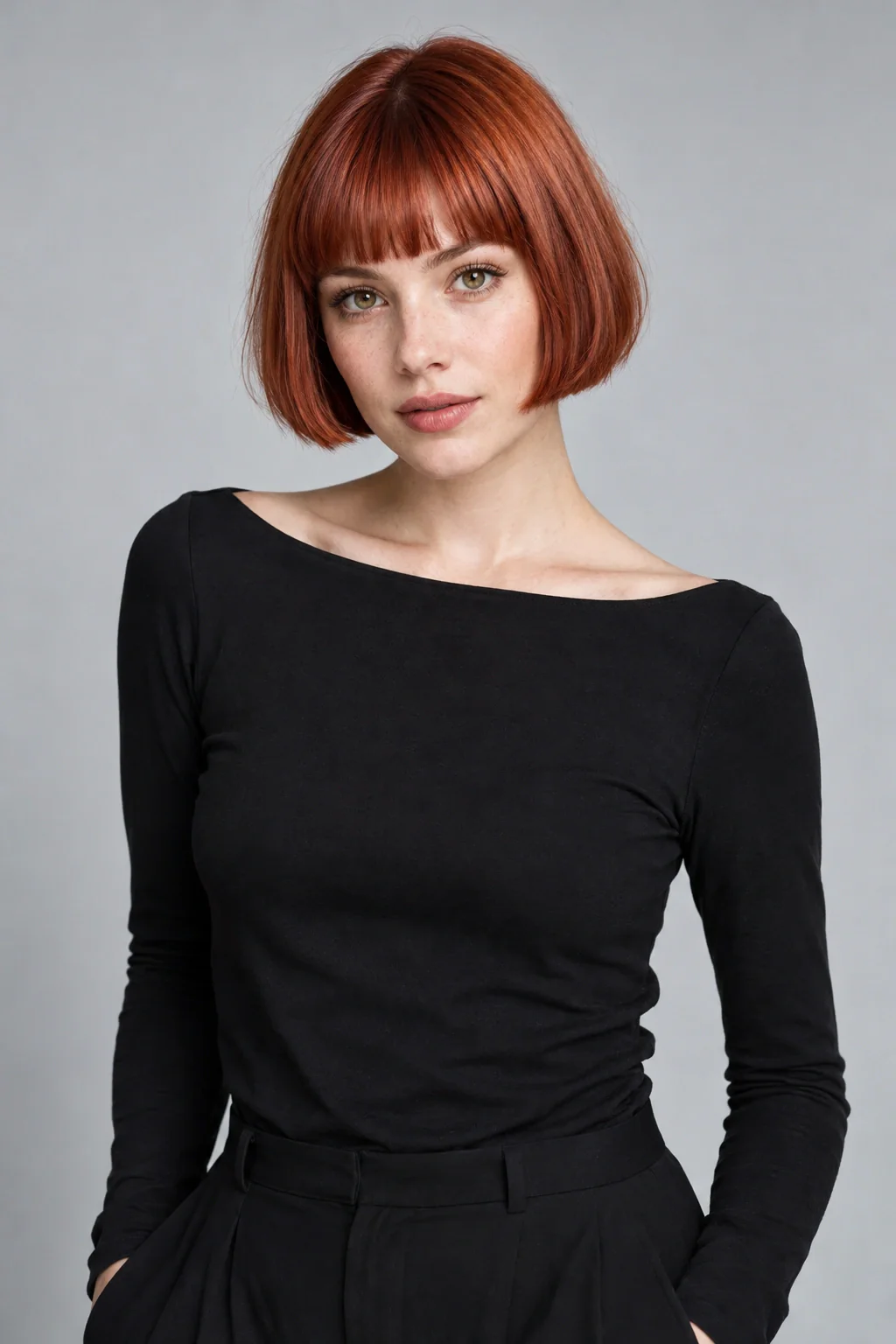 04 / THE MOOD
Make one thing unforgettable.
 05 / THE MOOD
Less overthinking. More possibilities.
 06 / THE MOOD
Your style, with room to breathe.
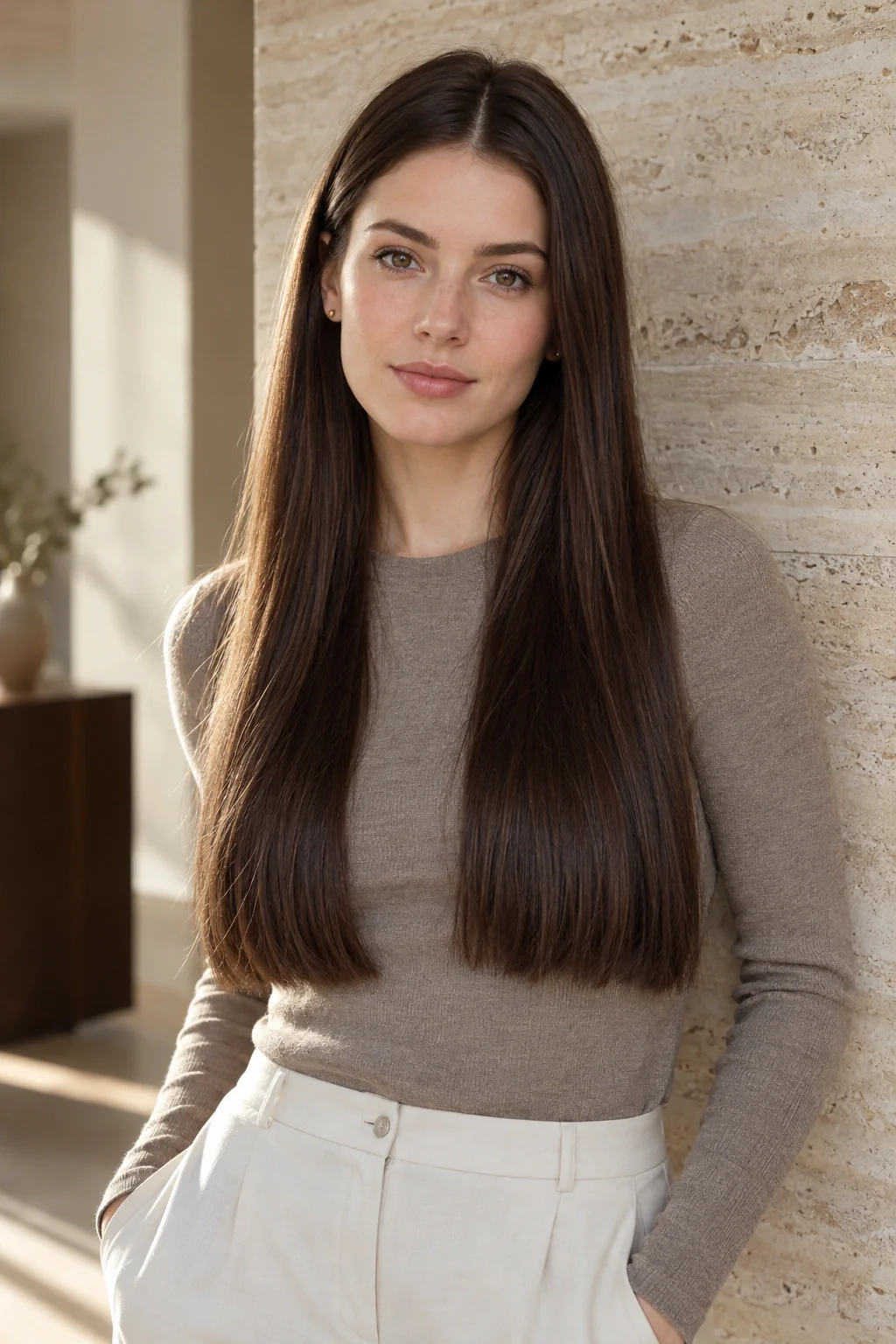
Long / WavyFull movement. Easy energy.
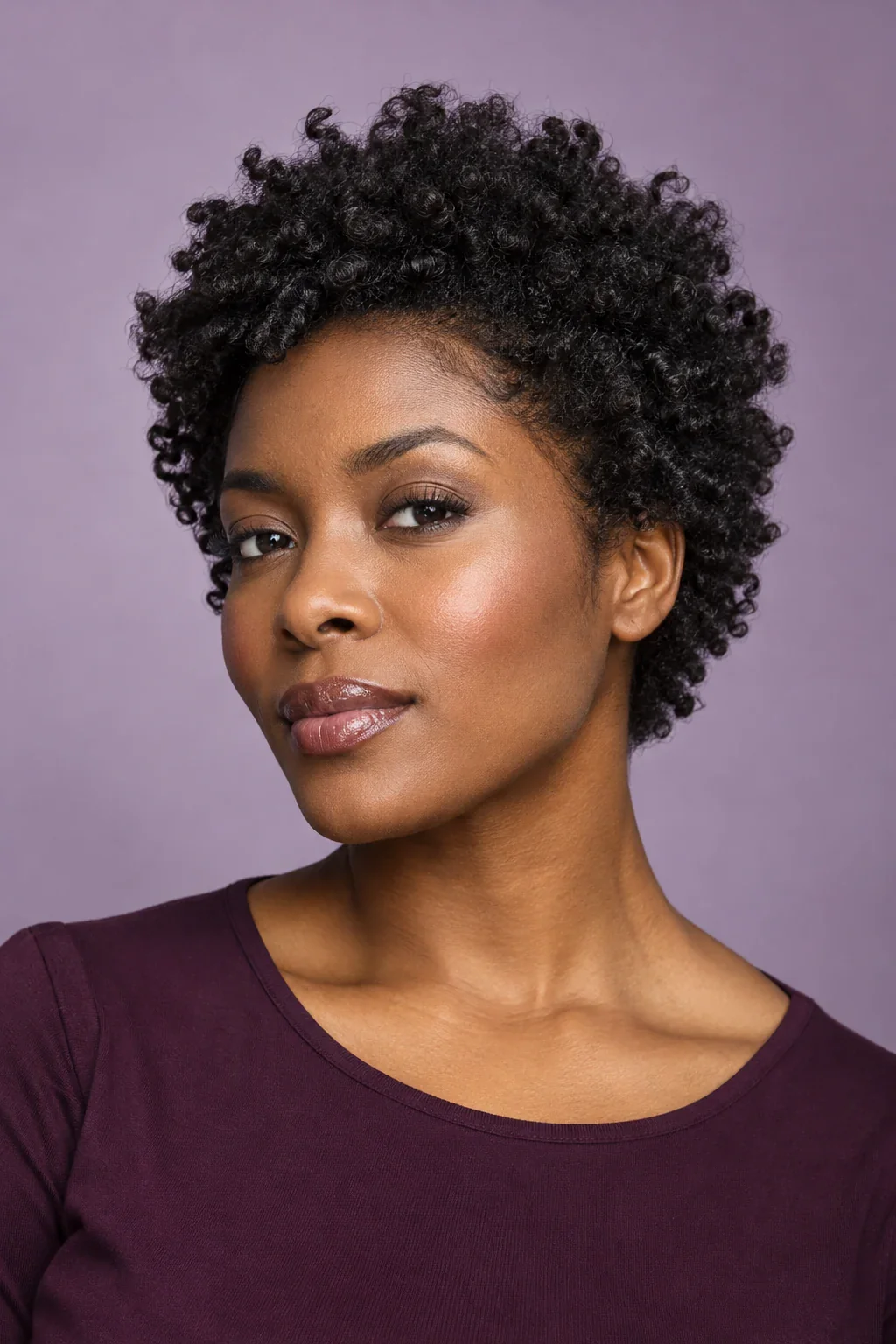 Short / Curly
Natural texture. A strong point of view.
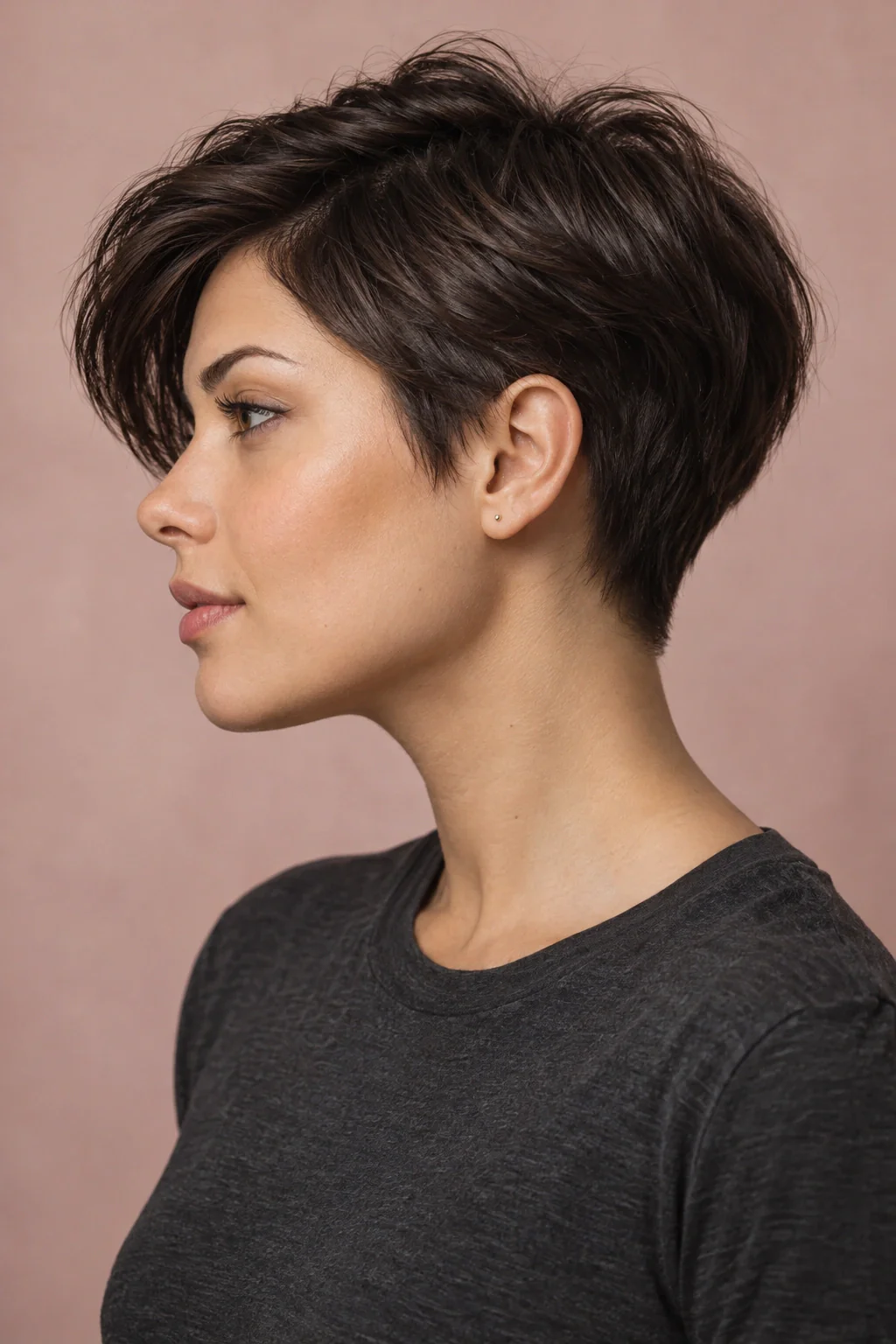
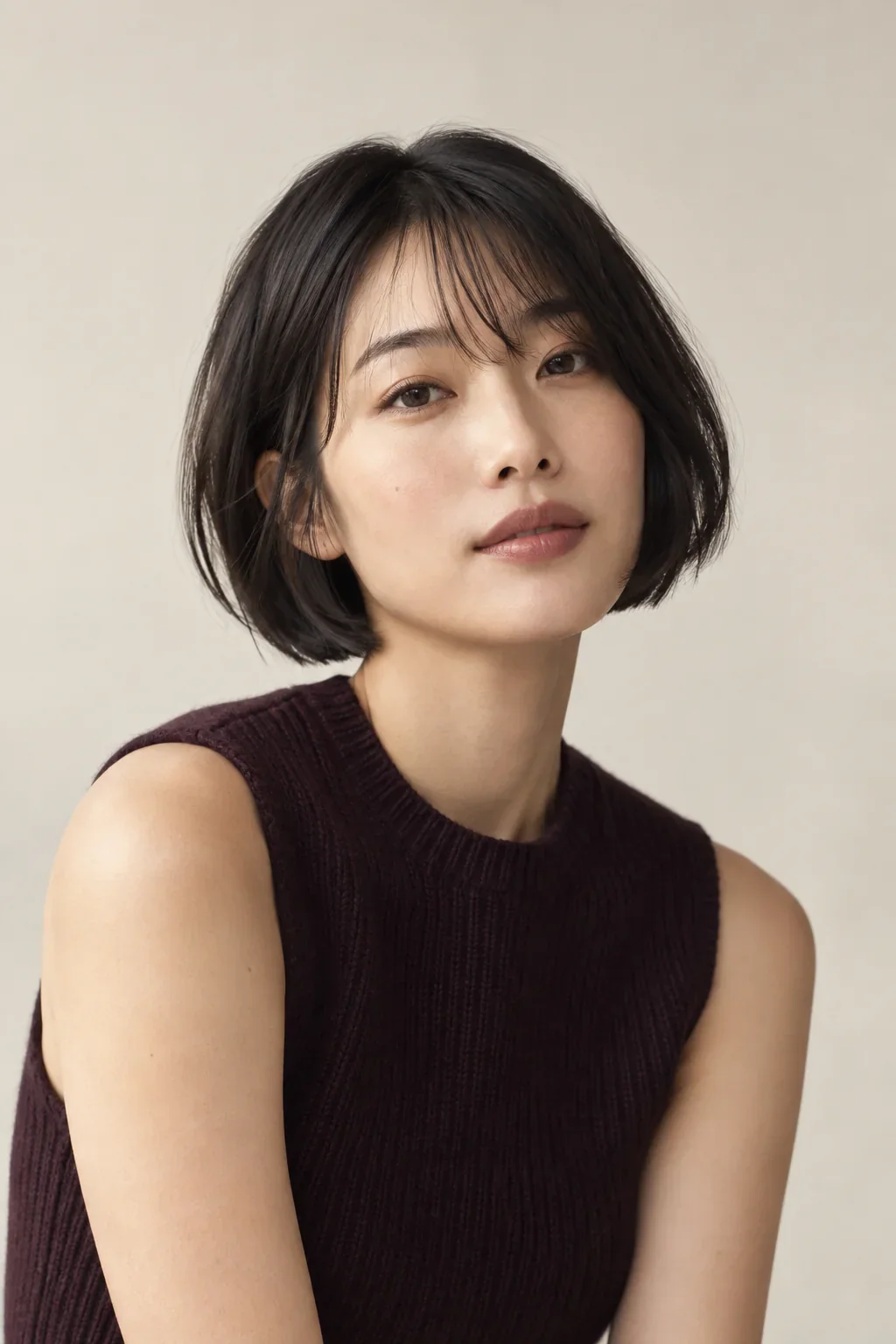 Short / Straight
Simple shape. Nothing to prove.
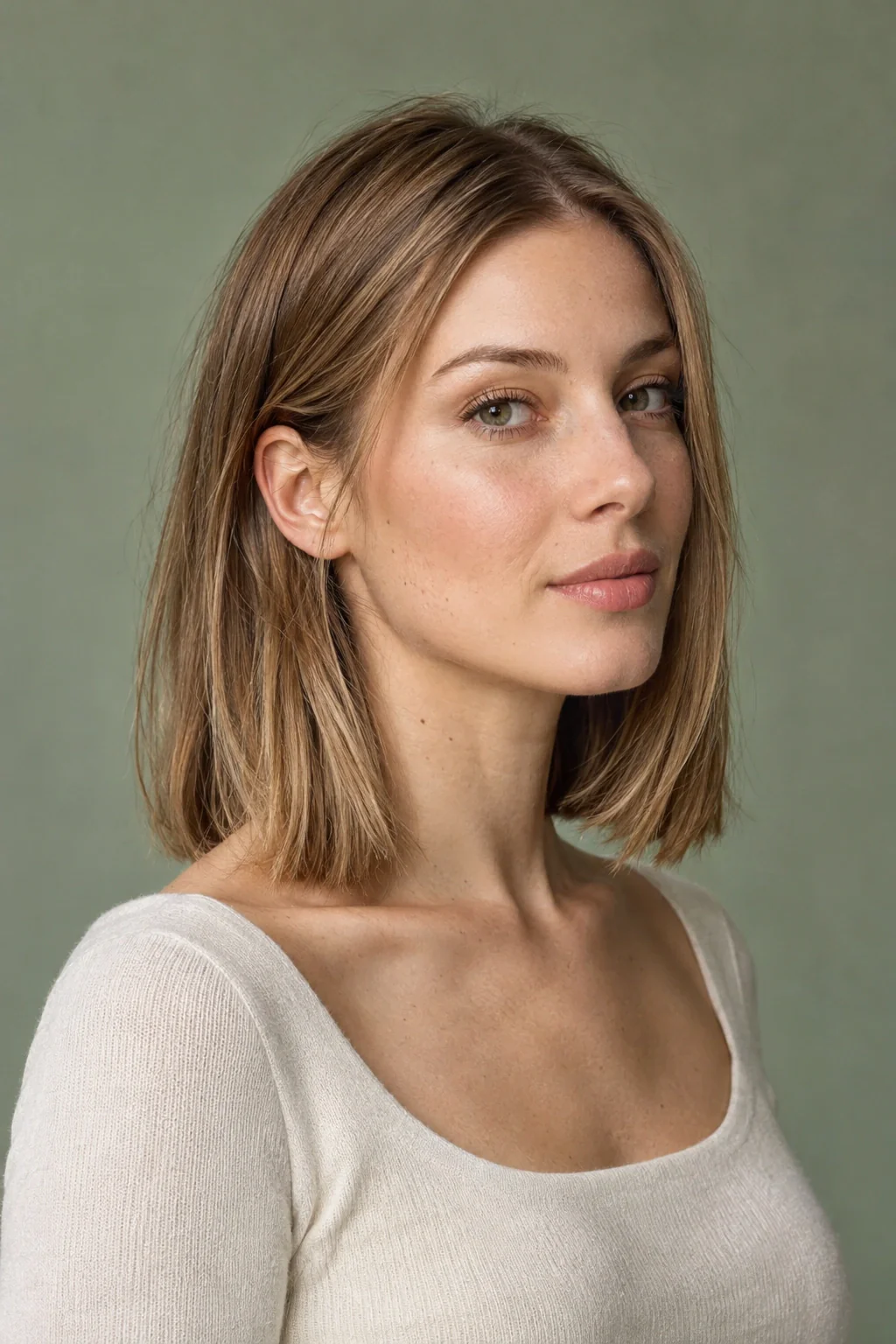
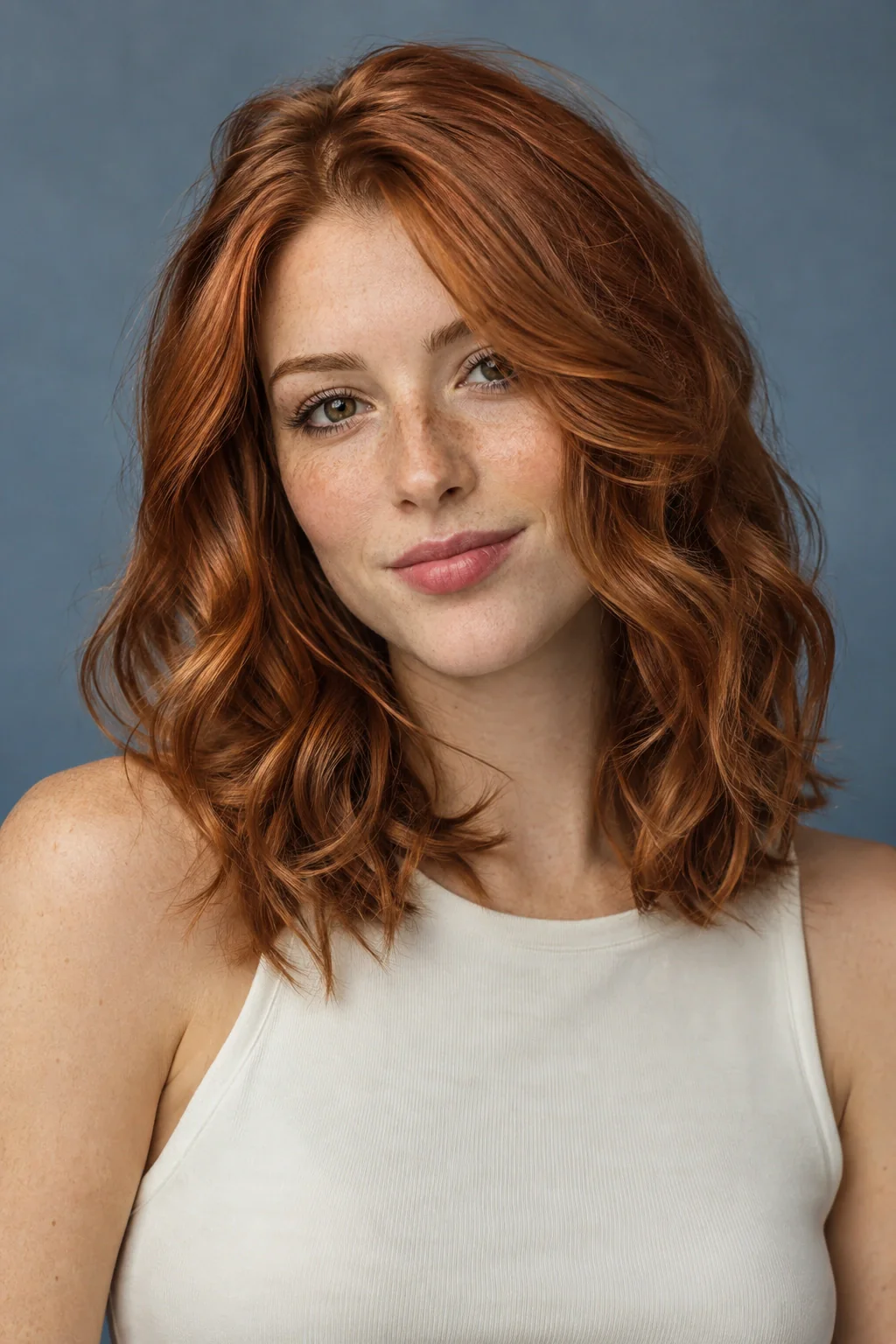 Medium / Wavy
Warm color. A softer kind of statement.
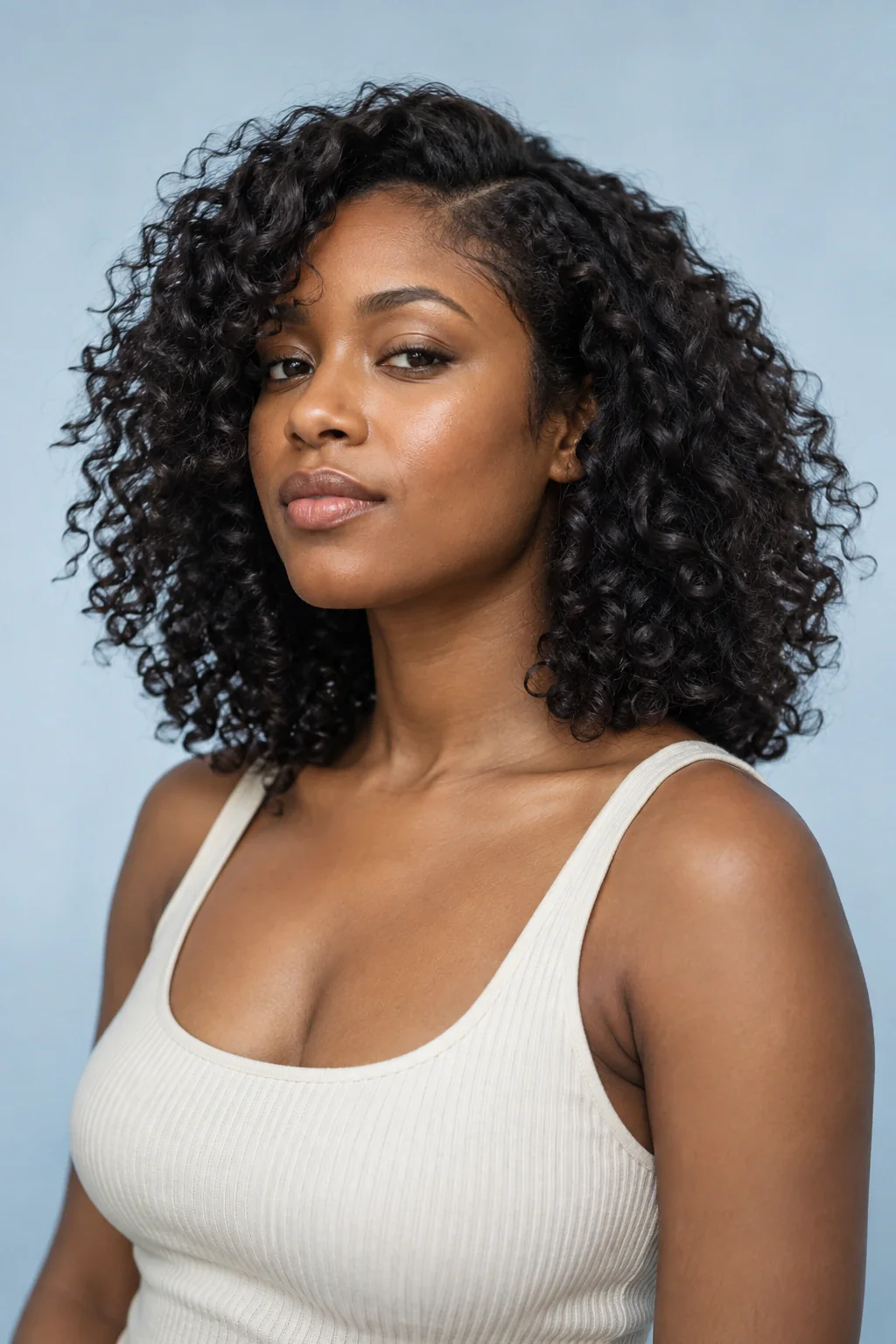
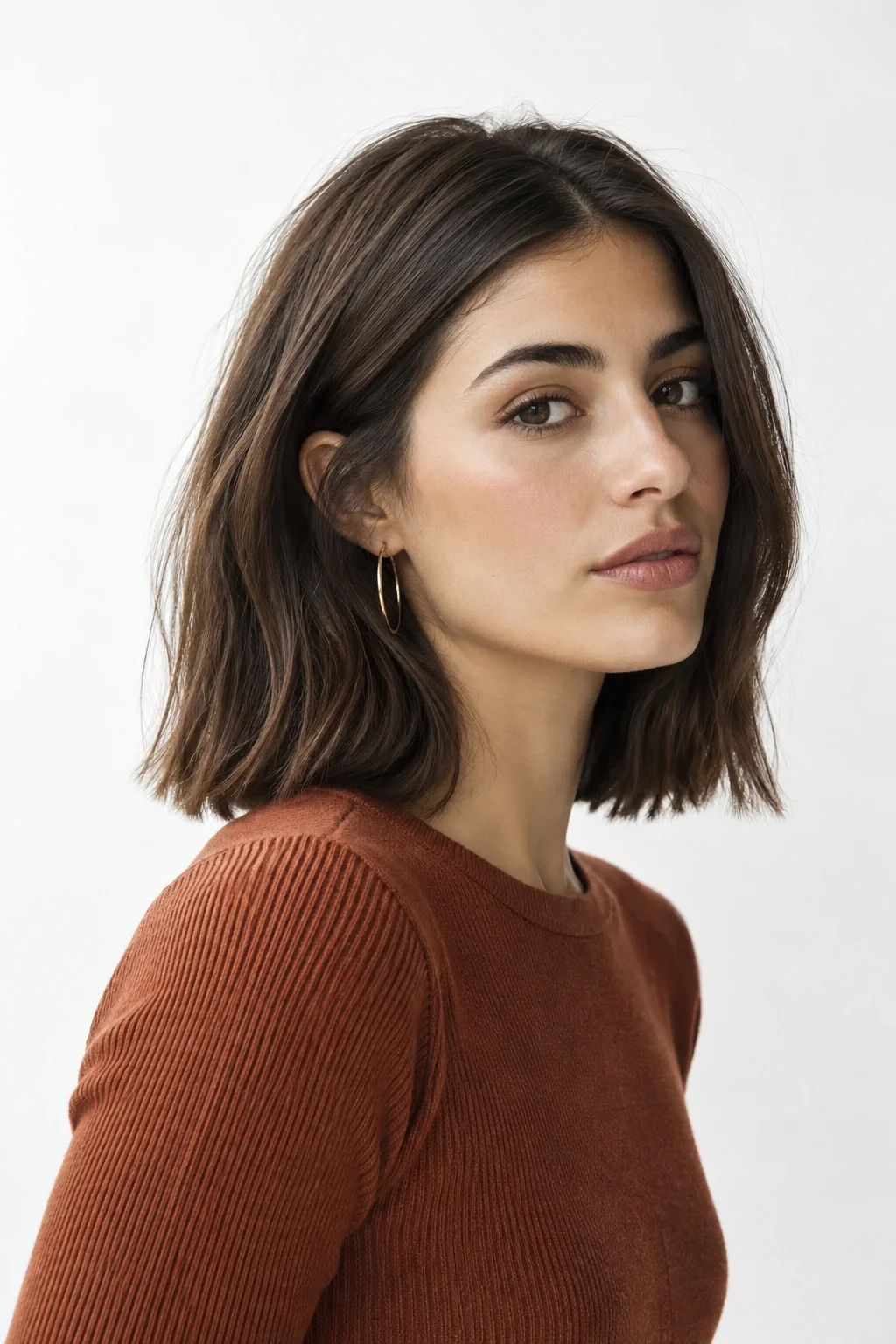
Start with your length, your texture and the mood you’re after. Our look finder gives you a small, considered place to begin.
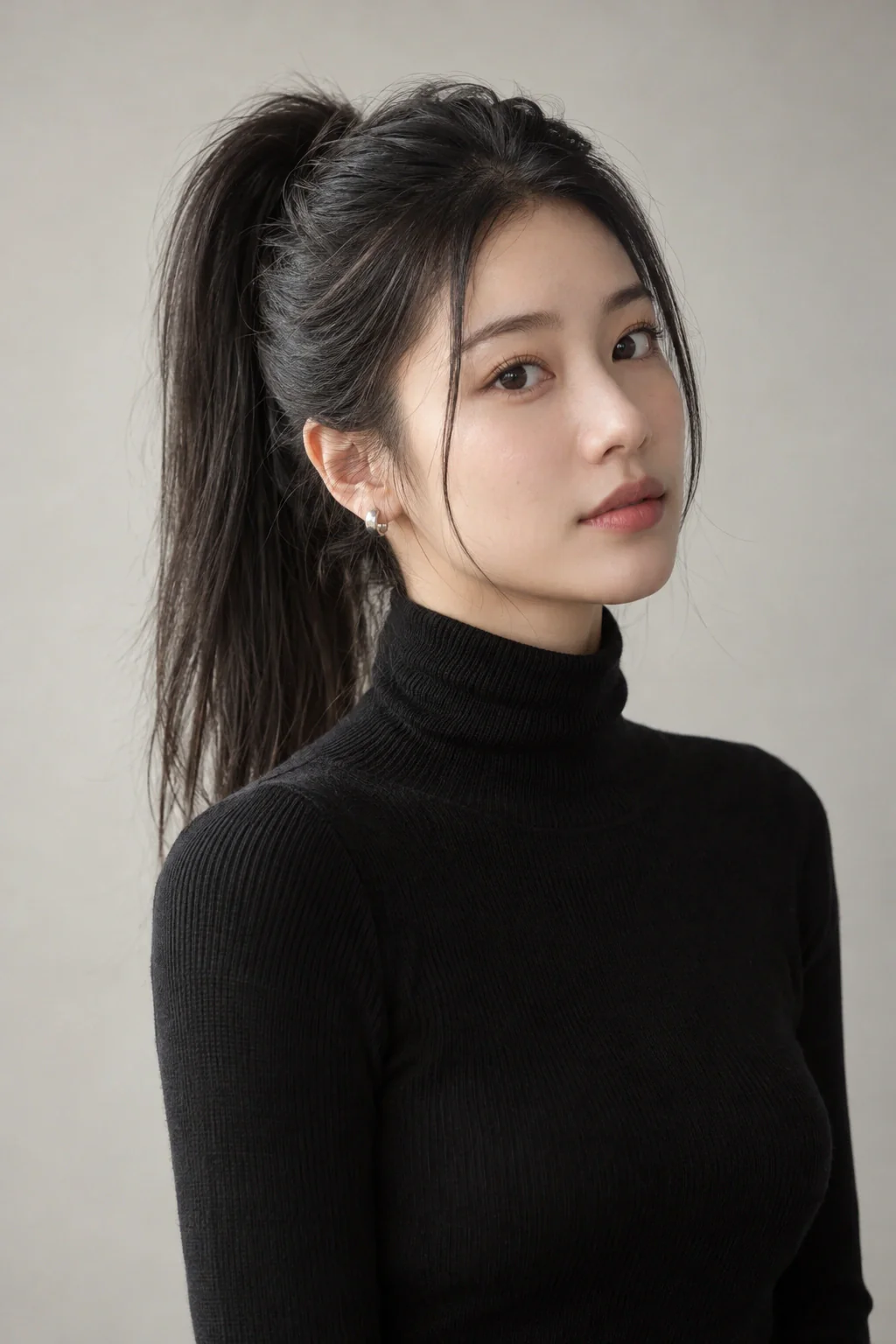
For a thick turtleneck, start with a twist positioned above the collar; for a delicate high neckline, try a half-up style that exposes its front. Keep hair loose when you enjoy the combined volume, and move only the sections that catch.
Read the story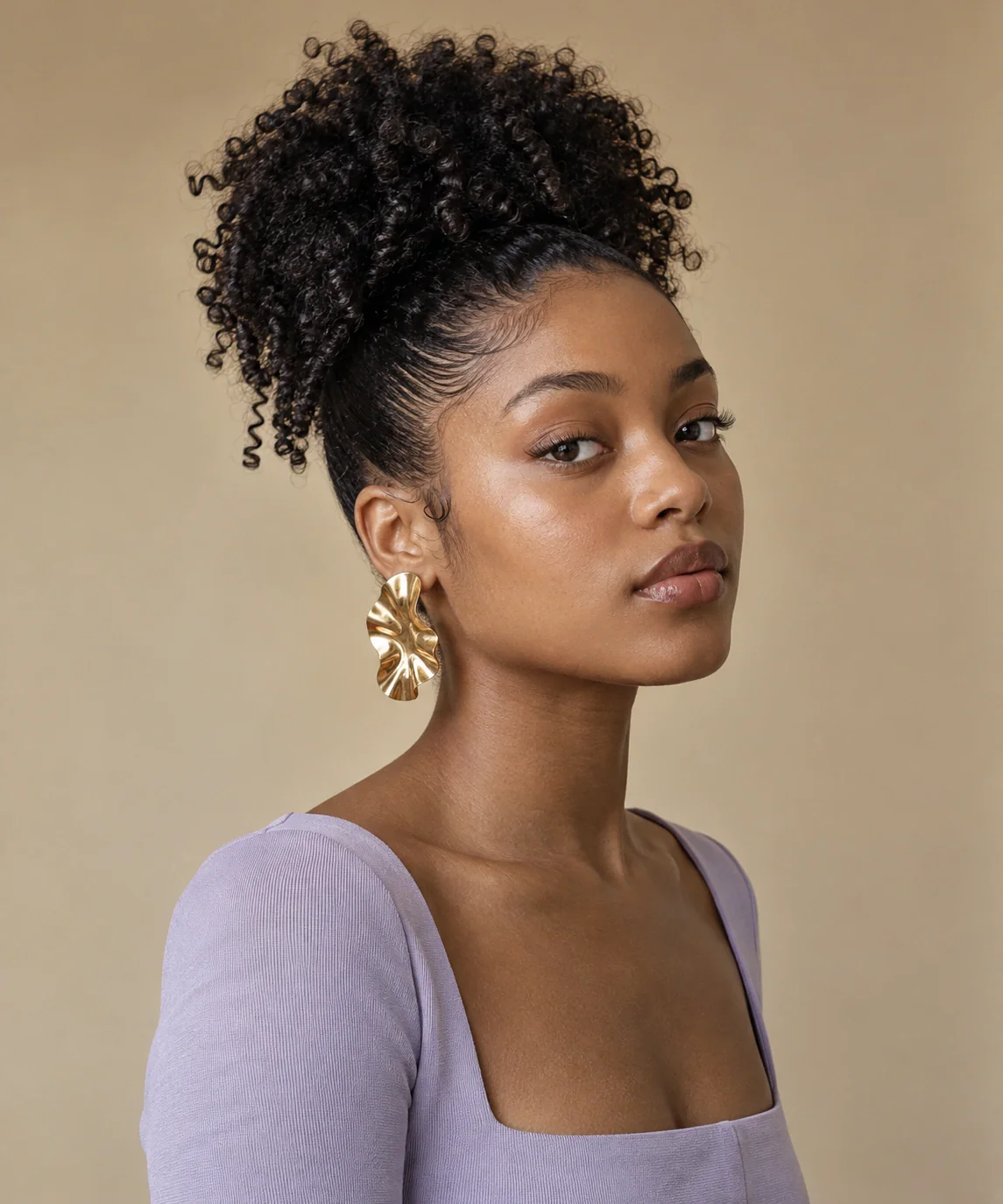
Choose a side tuck for one visible earring, a half-up style for an open front with loose length, or a low ponytail for a matching pair. If a drop catches repeatedly, move the hair beside its fastening before changing the entire style.
Read the story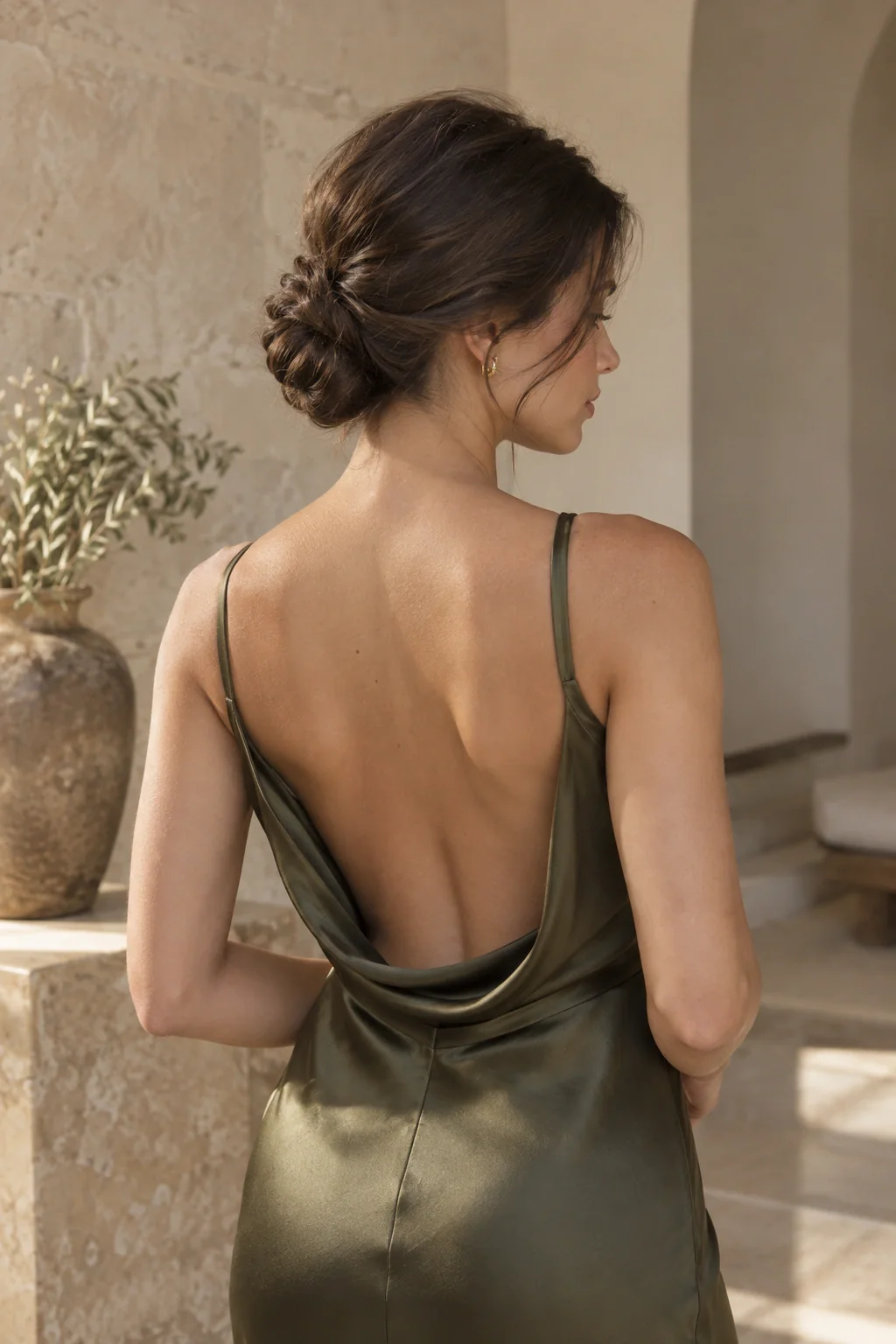
Choose a lifted bun or twist for a clear back, or a side braid for visible length at the front. With half-up hair, move the remaining lengths over a shoulder if they cover the cutout. Place the fastening clear of any nape bow.
Read the storyFind hairstyle ideas you can name: a chin-length bob, copper waves, curtain bangs or a low bun. Compare the shape, face framing and styling routine before choosing your next direction. For a haircut or color change, use AI hairstyle try-on in Hair Muse to explore the idea on your own photo.
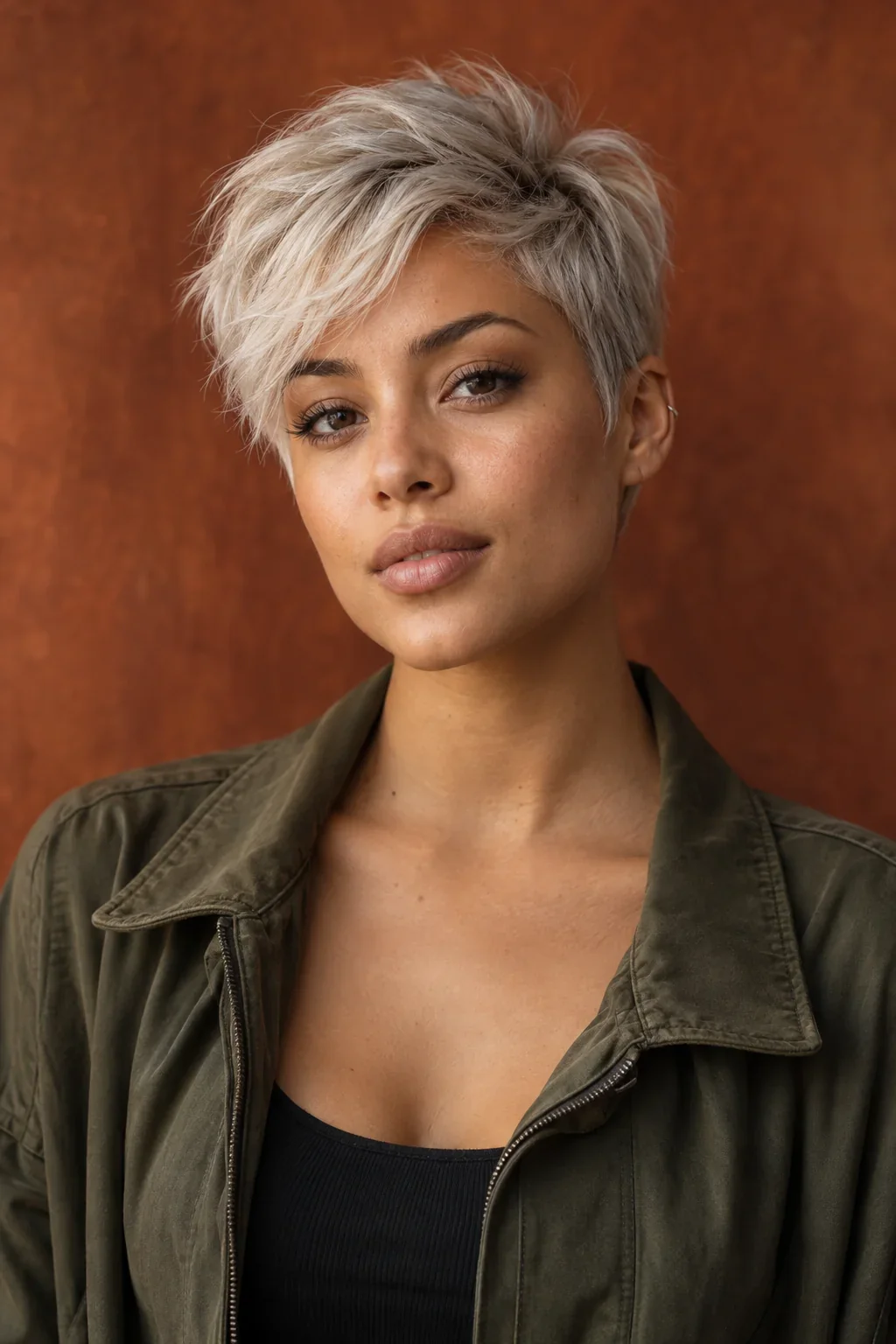 01 / YOUR NEXT DIRECTION
Compare a jaw-length bob, a longer bob near the shoulders and a crop with a swept front. Look at the ears and nape as well as the face. If tying your hair back is essential, bring that requirement into the length decision before booking a cut.
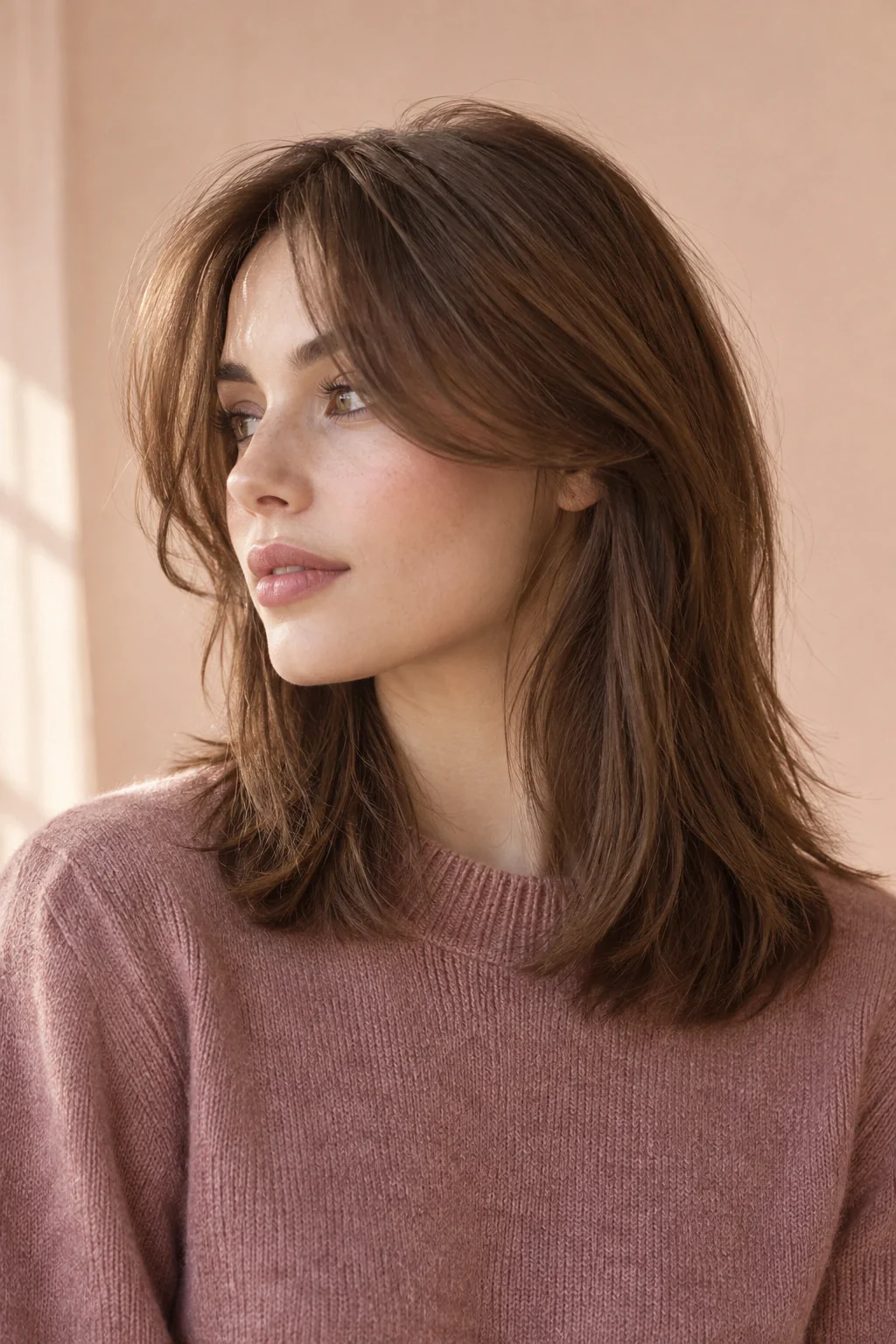 02 / YOUR NEXT DIRECTION
Try the visual difference between an open forehead, parted curtain pieces and a fuller fringe. The shortest front hair will need its own daily routine. Glasses, a cowlick or a preference for tucking everything away can change which version you want to discuss.
 03 / YOUR NEXT DIRECTION
Compare warm copper with your current shade before adding a new haircut to the experiment. Then try a quieter warm brunette direction. The difference helps you decide whether you love the red-orange color itself or simply want more warmth around your face.
 04 / YOUR NEXT DIRECTION
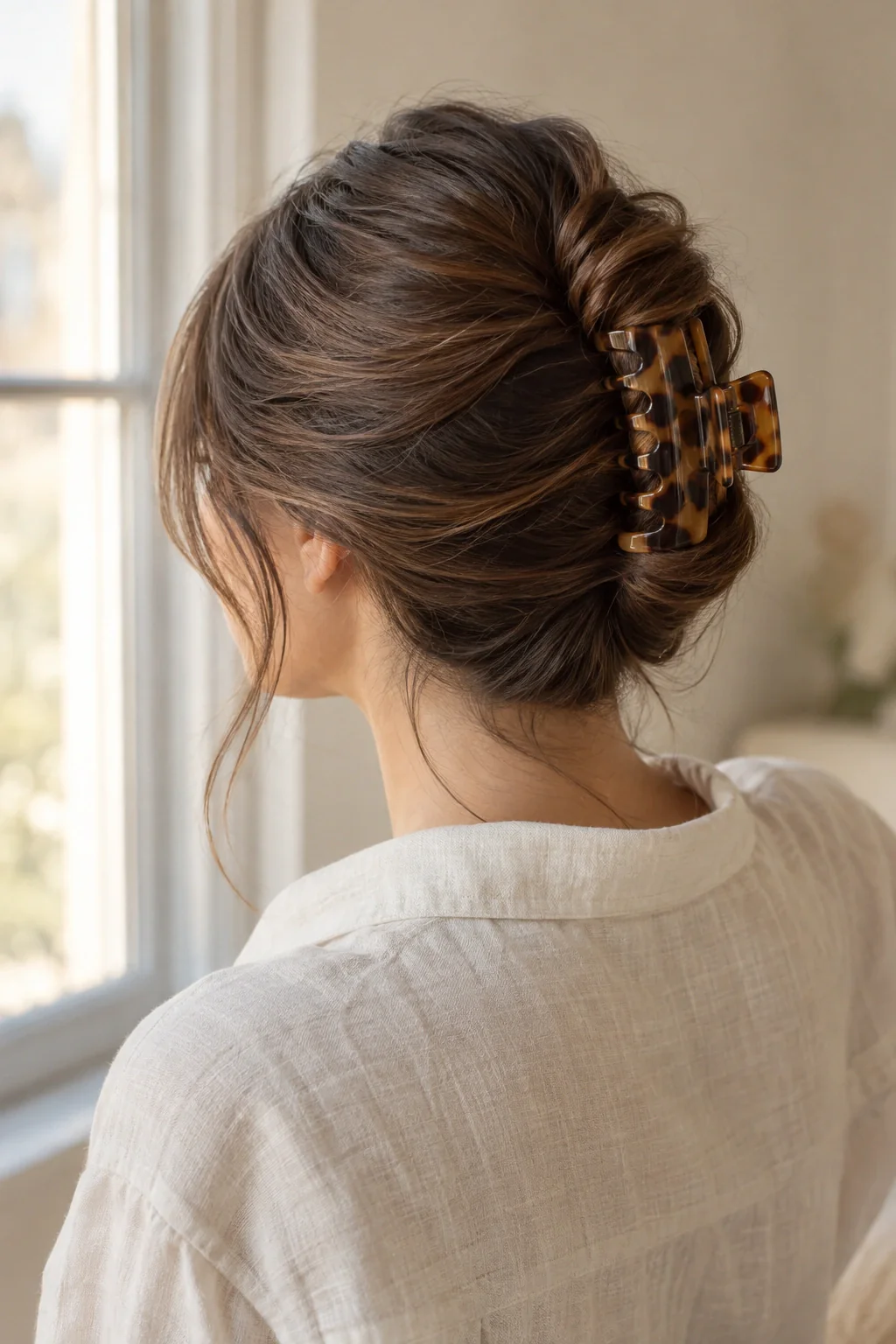
Start with a side tuck, two pinned temple sections or a low ponytail with a covered elastic. These give familiar hair a clearer finish without changing its cut. Choose the one you can fasten comfortably with the length you have today.
If you are bored with your hair but like its length, begin with a part, an ear tuck or a half-up style. If the shape itself feels wrong, compare cuts. If you keep saving the same haircut in different shades, color may be the change you want. These are separate decisions, and each deserves a different kind of trial.
Pick the route that describes your hesitation. Someone wondering whether to lose six inches needs to see different lengths; someone dressing for a wedding needs a hairstyle that clears the neckline and stays comfortable. Starting in the right place saves you from collecting attractive pictures that never answer your question.
Haircut names are useful search terms, but the ends tell a more precise story. A bob stopping beside the jaw exposes different space from a lob touching a shirt collar. A pixie can keep a long front while leaving the nape close. Long layers can change the front substantially while leaving the longest hair in place.
Use this comparison to choose two genuinely different directions. You do not need every option on the board. Keep the one that interests you most and a second that preserves something you would miss, such as ponytail length or coverage around the ears.
A photo cannot tell you how much hair has been removed inside a cut or which parts were styled for the shot. Show the overall shape you enjoy and ask how it would behave with your density, texture and usual drying routine. The right adaptation may have a different technical name from the picture.
A fringe can make a familiar haircut feel new without shortening all of it. The practical difference is where the shortest hair lands. Pieces near the eyebrows, cheekbones or jaw ask for different amounts of movement and leave different amounts of forehead visible. Look at that landing point before choosing a name.
Curtain-style pieces open through the center and travel toward the sides. They are worth considering if you like a divided front, but a short curtain fringe is not automatically long enough to tuck away. A wispy fringe leaves gaps through a lighter front. A fuller fringe creates a more continuous edge across the forehead; it brings that edge into much more of your daily view.
If you wear glasses, put them on when judging the shortest piece. If you routinely push your hair back, notice whether you enjoy hair moving toward the forehead at all. A longer face-framing section may give you the softer front you wanted while keeping more of your existing habits.
In a preview, compare the amount of forehead covered and the way the fringe meets the sides. At a consultation, ask how your front growth direction and normal texture would affect that idea.
Low maintenance is a relationship between the haircut and the person wearing it. A short cut can involve less length to handle while still needing the front reset. Long hair may take more drying time but offer a familiar tie-back option. Neither length wins automatically. Decide which tasks you want to remove and which ones you enjoy.
Keep the texture you woke up with. Move the part, tuck one side, add a flat side clip or rebuild your usual tie. Pick one area to change. If the front is the only part bothering you, there is little reason to restyle the back.
Try two pinned temple sections, a low twist or a half-up gathering. Lay out the fasteners first and use a technique you already know. Leave a minute to check the back and make sure the style does not pull when you turn your head.
Rehearse the whole combination: hairstyle, neckline, earrings and journey. Set the main fastening before adding decoration. A polished ponytail can be a complete occasion look; complexity is optional, while comfort and a secure foundation still matter.
Show how your hair looks after your ordinary wash routine. Explain whether you use any heat and which sections you usually tuck or tie. Ask your stylist to discuss that version of the cut alongside the finished salon look, so the daily plan is clear.
These are planning windows, not timed performance claims. Thick hair, unfamiliar tools or a new fastening can make a simple idea take longer. Use the window to choose the scale of the change: a placement adjustment, a small gathered style or a full styling session.
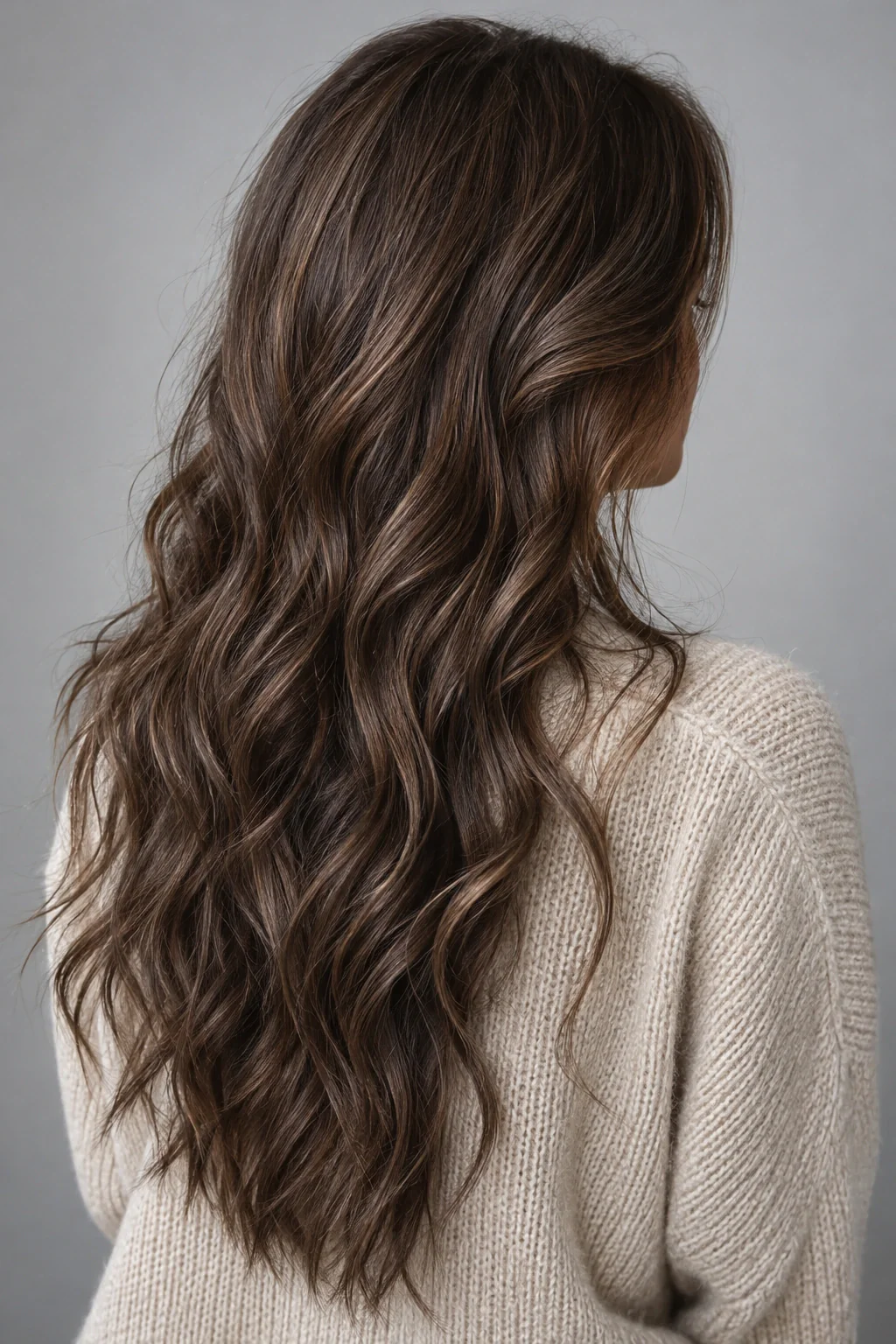
Compare the ends and the way the front falls. For a half-up style, take only the sections that comfortably reach the fastening; shorter lower pieces can stay down. If a clip cannot close, try a smaller section. If it closes loosely and slides, use a smaller suitable clip that grips the section without pulling.

Judge a cut in its dry, familiar shape and discuss how the outline changes through your own routine. For styling, moving a small section can reveal an ear without flattening the whole silhouette.
The same accessory may behave differently with different amounts of hair. A half-up clip can be more manageable than trying to contain all dense lengths. On finer sections, an oversized clip may have too little hair to hold. Fit the fastener to the section, then check its comfort.
You can borrow an open neckline, rounded silhouette or side-swept front from hair that looks different from yours. The method may change. Pulling every texture into the same finish is often more work than the original idea requires. Decide which visible feature matters, then keep as much of your usual texture as you want.
For example, “I want to show these earrings” does not have to mean slicking everything back. One pinned section beside the ear might do the job on long waves; a small temple twist might do it on a curly bob. A short crop may need only the front redirected.
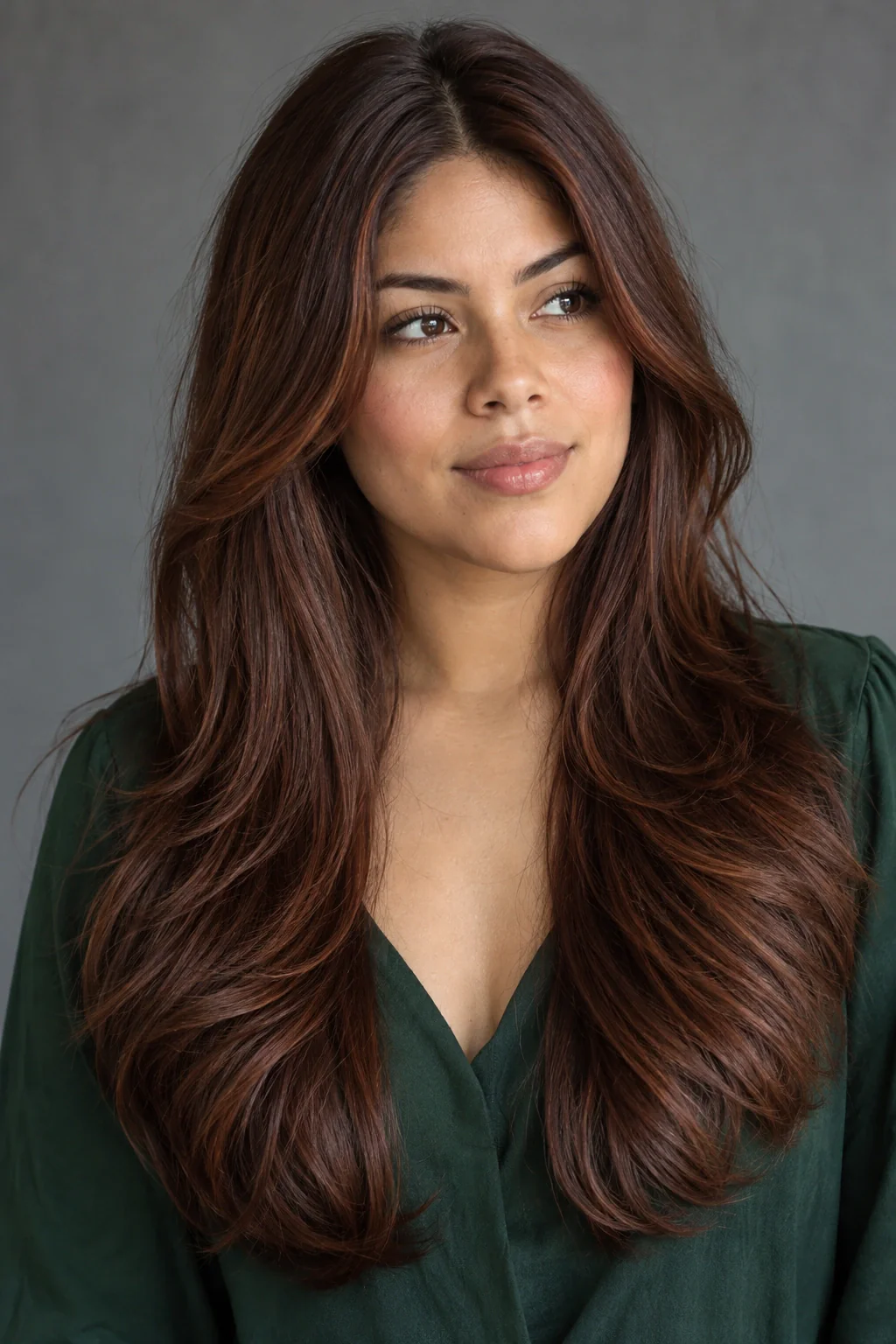
“Something different” can mean three separate things in a color picture: a lighter or darker overall result, a warmer or cooler tone, or more variation between sections. Compare those ideas separately. A darker brunette and a brighter copper may both feel dramatic, but for very different reasons.
Start with a familiar photograph and compare a small range of color directions. If the haircut or lighting changes dramatically between images, you may be reacting to those differences too. The aim is to notice a preference you can describe, not to choose a salon formula from a screen.
Bring the promising direction back to your clothes. Picture it beside a white shirt, your usual dark top and a color you wear often. There is no mandatory palette to obey; you are choosing combinations you enjoy. Then ask a colorist what is realistic from your current shade, past color services and condition, including the upkeep and cost before proceeding.
Hair Muse is an AI hairstyle try-on app for iPhone and iPad. Bring your favorite hairstyle ideas into a personal comparison: a bob beside longer layers, curtain bangs beside an open forehead, or copper beside a familiar brunette. Choose the change you are most curious about and explore it on your own photo.
Virtual hairstyle try-on makes a broad inspiration picture more personal. Begin with a clear portrait and keep your first comparison focused on length, face framing or color. A familiar haircut with a different front is one useful experiment; the same shape in two color families is another.

Compare a bob, lob or longer haircut on your photo. Start with the outside shape and the place where the ends meet your jaw, neck or shoulders.
Try hairstyles on your photoExplore copper, brunette, blonde or a cooler shade. Keep the haircut similar so you can see which color direction catches your eye.
Explore hair color try-onPicture curtain bangs, wispy bangs or a fuller fringe. Compare the opening at the forehead and the length of the pieces beside your face.
Explore a bangs filterSee the difference between a chin-length bob and a pixie. Choose whether you want coverage beside your ears or a more open neckline.
Explore a short hair filter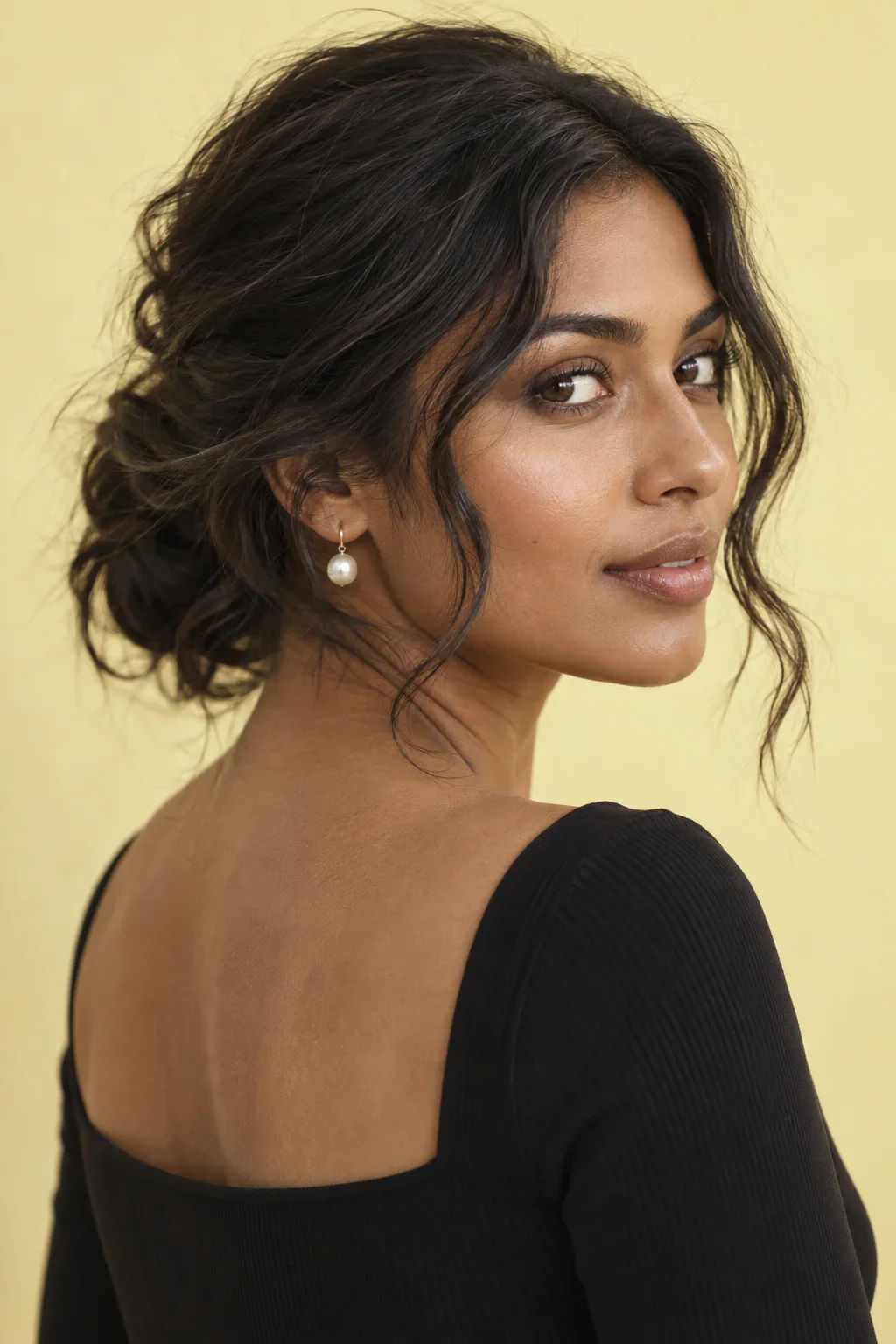
Start with a question such as “Do I prefer my current length or a bob below the jaw?” A new haircut, new fringe and new color together can be exciting, but they make it harder to know which change you liked.
Look first at length and the outside shape, then the front and finally the color or finish.
Use the strongest image to explain the direction you enjoy. Ask a stylist about the cut, dry length and daily behavior, or a colorist about the achievable color.
“I like a compact bob, but I want an open forehead and enough side length to tuck. Which differences should I compare in pictures?”
This invites options about length and framing without asking the tool to decide a real cutting plan.
“The report suggests more movement around my face. Can I explore that while keeping my natural curls and current length?”
Turn a broad observation into a modest comparison, then decide whether the suggestion improves the look for you.
Hair Muse also includes AI style analysis and an AI stylist. These can suggest directions to explore when your request is still broad. Keep your own preferences in the conversation: a recommendation that ignores the length you want to keep or the routine you enjoy has not answered your whole question.
Include a goal, a boundary and your usual styling habit. “I want a softer front, I need to tuck it behind my ears, and I usually air-dry” gives more context than “What suits me?” Read any suggestion against those conditions. You are allowed to like a look even if an appearance-based report suggests something else.
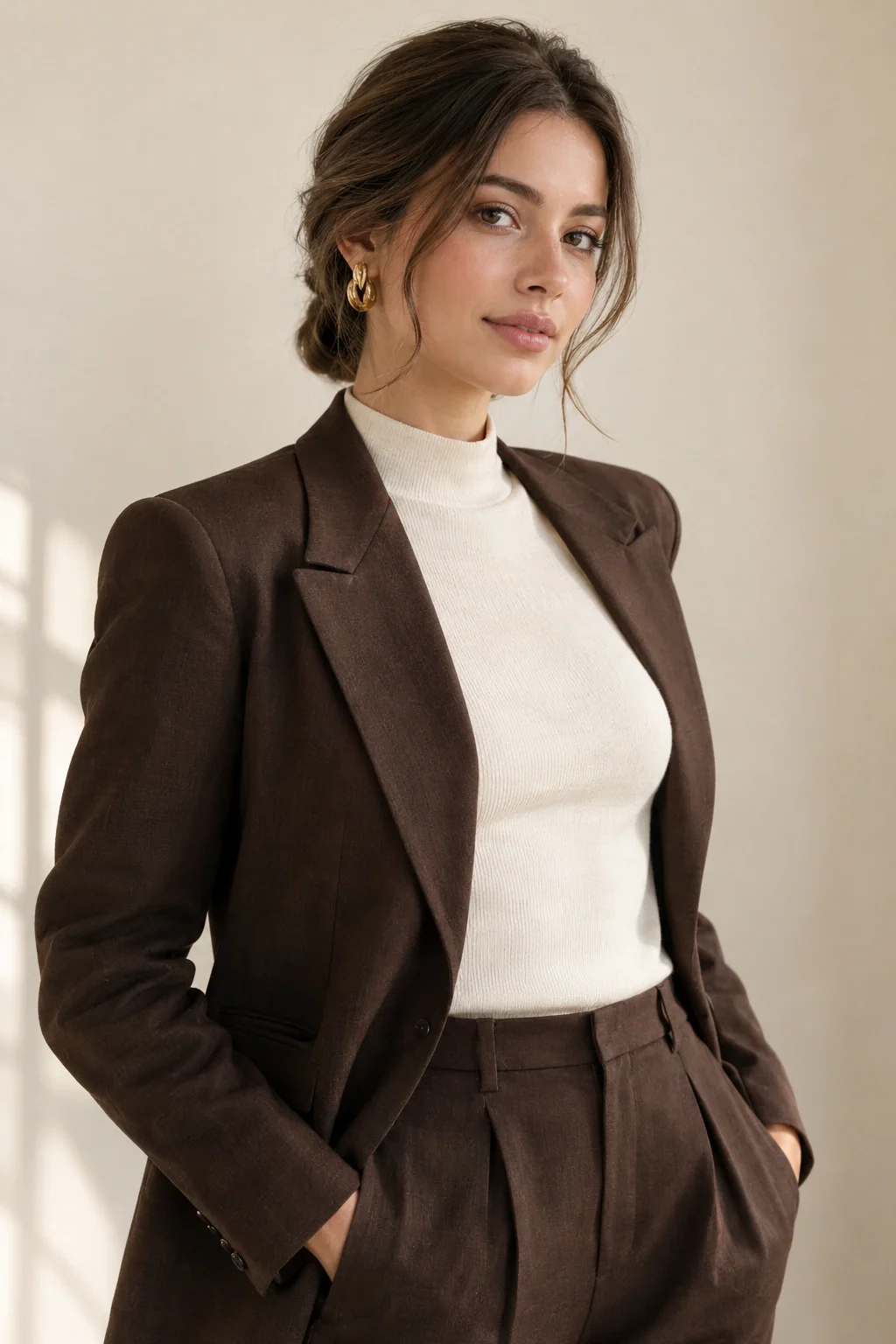
You do not need a different haircut for every neckline. Change where the hair sits first. A clear ear, a lifted gathering or a side-swept length can reveal the detail that made you choose an outfit. These pairings are styling suggestions, not dress-code rules: keep the combination that feels comfortable and looks right to you.
Put the garment on before the final fastening when its neck opening might disturb the hair. Add the earrings too. That lets you find collisions between a bun and a collar, or loose hair and jewelry, while they are still easy to fix.
A quick shoulder-up photograph can help you compare the options, but include enough clothing to see the relationship. A face-only crop cannot show whether the hair hides a collar or competes with shoulder detail. Once the outfit reads clearly, stop refining strands that will naturally move as you wear it.
“Keep: enough side length to tuck. Change: the heavy ends into a shorter bob. Check: how the front will fall when I air-dry, and whether I can still use my usual clip.”
This is a sample brief you can adapt. It separates the desired look from the everyday requirement. Add a front picture and, if available, a side or back view of the shape you mean. Circle or describe the part you like so the stylist does not have to guess whether you chose the picture for its color, cut or finish.
For a color appointment, replace the cutting language with the effect you want: more warmth, a darker overall shade or brightness in a particular area. Tell the colorist about previous color services. Ask about the route from your current hair, the upkeep between visits and an alternative if the original idea is not appropriate.
Before cutting begins, repeat the agreed plan in plain words and confirm the shortest length and front pieces. Before you leave, check what you will be doing at home and ask to see any styling step you do not know how to repeat. A good brief starts the discussion; it does not replace the professional assessment or lock you into the first picture you saved.
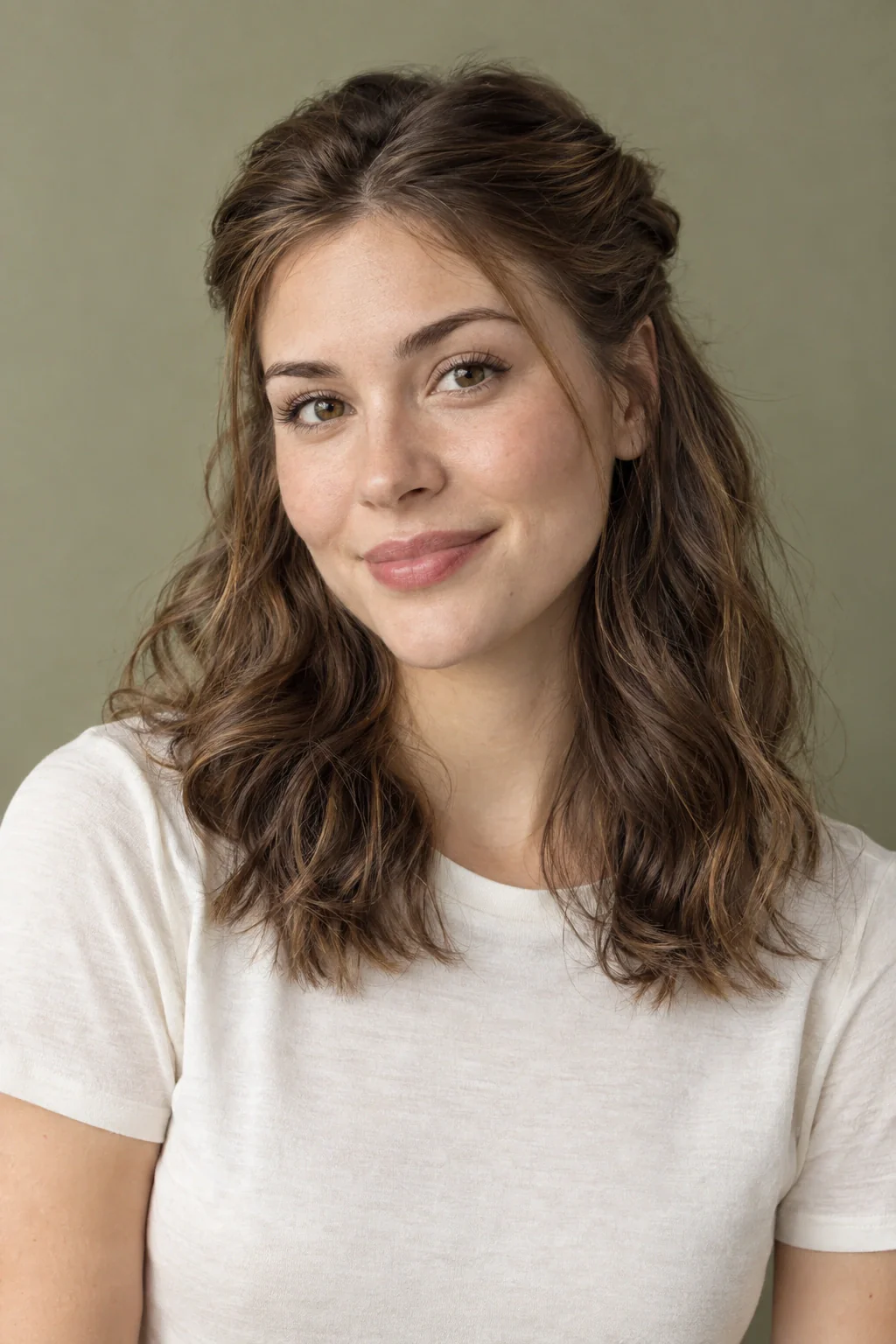
Try pinned temple sections, a one-sided tuck or a small upper gathering. See how to choose which pieces to move and what to change when they fall forward again.
Compare a wrapped low ponytail, a side-tucked bob and softly pinned lengths. Choose around the neckline, the place you are going and how much time you have to get ready.
Compare the lengths, front pieces and daily routines of your finalists. Separate an appealing photograph from a haircut you would enjoy wearing through an ordinary week.
Explore the top, sides, fringe and nape separately. Compare a textured crop, a swept front and a softer scissor-cut direction before deciding what to ask your barber.
The Edit brings the details together: how to keep loose hair off your face, what to pack for a trip, how to dress up a ponytail and how to read a color preview. Each guide tackles a particular decision so you can leave with something to try, compare or ask.
Start with your immediate task. A dinner-date hairstyle needs a wearable fastening and room around the neckline. A new-cut decision needs a length comparison. A color question needs consistent lighting and a clear distinction between the shade you enjoy and the salon process required to create it.
HairSparks helps you discover hairstyle ideas through mood, clothes and occasions, then turn those ideas into a small practical brief. You can browse original guides, filter the look collection and keep references in a browser-local moodboard. Personal AI previews are available through the separate Hair Muse app.
No. Browsing, the look finder and the moodboard do not need a photograph, an account or a face scan. If you decide to explore a personal preview in Hair Muse, check the app’s own photo-processing information before choosing a photo there.
This website is the inspiration and planning part of the process. It does not upload your photo or create a hairstyle simulation in your browser. The try-on pages explain how to make a useful experiment in Hair Muse and link to its official App Store listing.
Yes. Name the quality you enjoy, such as a compact silhouette, exposed neckline or off-center emphasis. Then discuss how that quality could work with your own texture. A reference does not mean that you need to reproduce another person’s curl pattern or finish.
No. The HairSparks board stores reference identifiers and your note in this browser only. It does not connect to a Hair Muse account. Download your brief if you want to keep a separate copy or use the notes during another part of your planning.
Give each option the same practical test. Consider your ordinary morning, the clothes you wear most and the detail you would most miss if you changed it. If both still appeal, keep both and ask a stylist which adaptation best fits your hair rather than forcing a decision from photographs alone.
Rocket Digital Ltd publishes HairSparks and the Hair Muse app. Links to the app are promotional. Our editorial policy explains how we use sources.
Borrow an idea. Change a detail. Leave the rules behind.
We’re here to help you find a style that belongs in your life.